Aix-en-Provence puts cafés, squares and art at the centre of a compact inland stay. Marseille gives you a harbour city with Mediterranean museums and distinct neighbourhoods. Choose by the days you want to spend, rather than looking for one city to be better at everything.
For the same short break, the difference is how much you want to move around: lingering in Aix’s old town, or combining different parts of Marseille. If both appeal, staying in Marseille and visiting Aix for a day lets you keep one room while enjoying the contrast.
Aix-en-Provence and Marseille at a glance
| Criterion | Aix-en-Provence | Marseille |
|---|---|---|
| Sightseeing scale | Compact old-town core; outlying Cézanne sites | Larger city; sights spread across neighbourhoods |
| Sea access | Inland; no beach within the city | Urban beaches: Plage des Catalans and Prado seafront |
| Cultural focus | Cézanne and fine art | Mediterranean culture and port history |
| Evening settings | Old-town cafés and restaurants | Harbour dining and neighbourhood nightlife |
| Central mid-range double room | Around €120–€200 per room per night; lower off-peak, higher in summer or during events | Around €100–€180 per room per night; lower off-peak, higher in summer or at the waterfront |
For comparable central mid-range rooms, Marseille’s estimated range is €20 lower at each end. These are room budgets, not prices per traveller. Travel dates and location can outweigh that difference: a harbour-facing room or an event-led stay can cost more than a less prominent central address.
Aix’s concentration of sights makes it easier to alternate a cultural visit with unhurried time in the streets and squares. Marseille asks for more selection: group sights in one area rather than repeatedly crossing the city. Neither approach demands a packed schedule, but the larger city offers more distinct settings to fit around your main interests.
Old towns, art and waterfront life
Aix-en-Provence: Cours Mirabeau and Cézanne
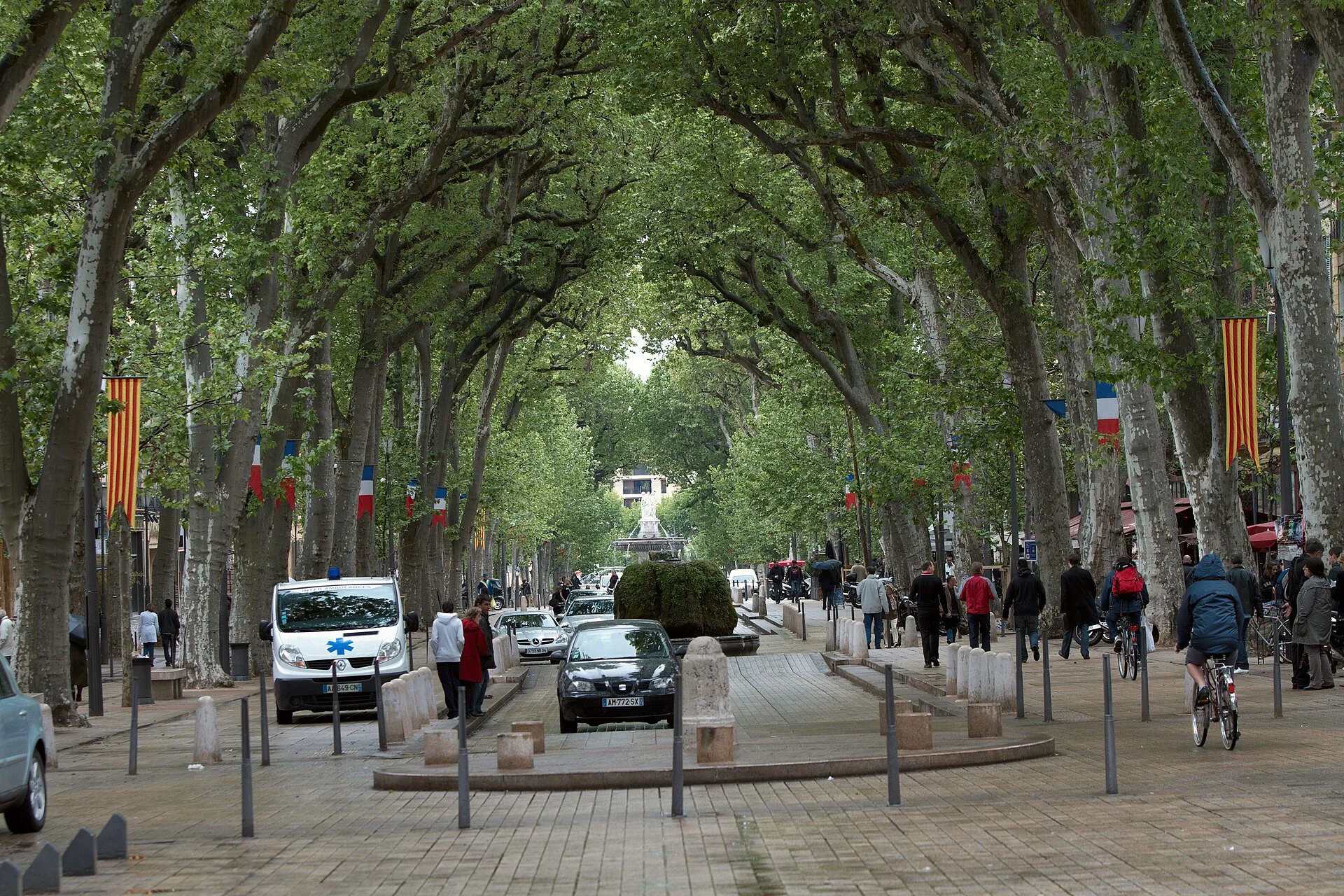
Aix-en-Provence is worth visiting if Cézanne, fine art and an old-town café day appeal to you. Cours Mirabeau, the tree-lined avenue beside the old town, is a useful area to stay near for a mix of cafés, squares and market browsing. Use it as a starting point, then leave room to wander the smaller streets rather than treating the centre as a route between museums.
Atelier de Cézanne, the artist’s preserved studio, brings the focus to his working surroundings. Musée Granet offers a broader fine-arts collection, making it a different kind of visit rather than another Cézanne stop. Choose one substantial cultural visit alongside time in the old town if you want the day to include a leisurely lunch or café break.
Calissons, almond-and-candied-fruit sweets, give you a distinctive local food to try or take away. The compact café-and-restaurant centre also suits evenings when you want dinner and a stroll close to your accommodation. A central room keeps that part of the stay straightforward, but the studio and other outlying Cézanne sites need a separate place in your day.
Georges Seguin ( Okki ) · CC BY-SA 3.0 · Edited
Marseille: the Old Port and Mediterranean culture
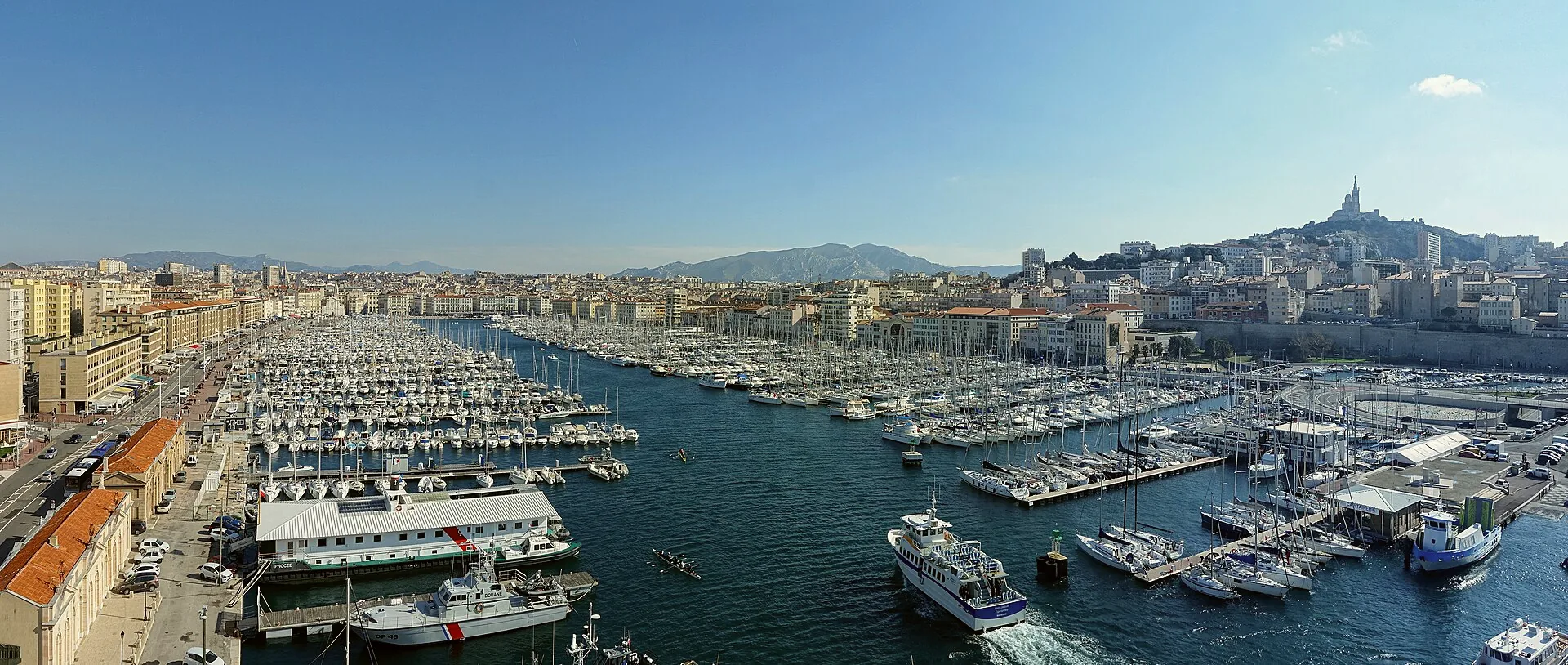
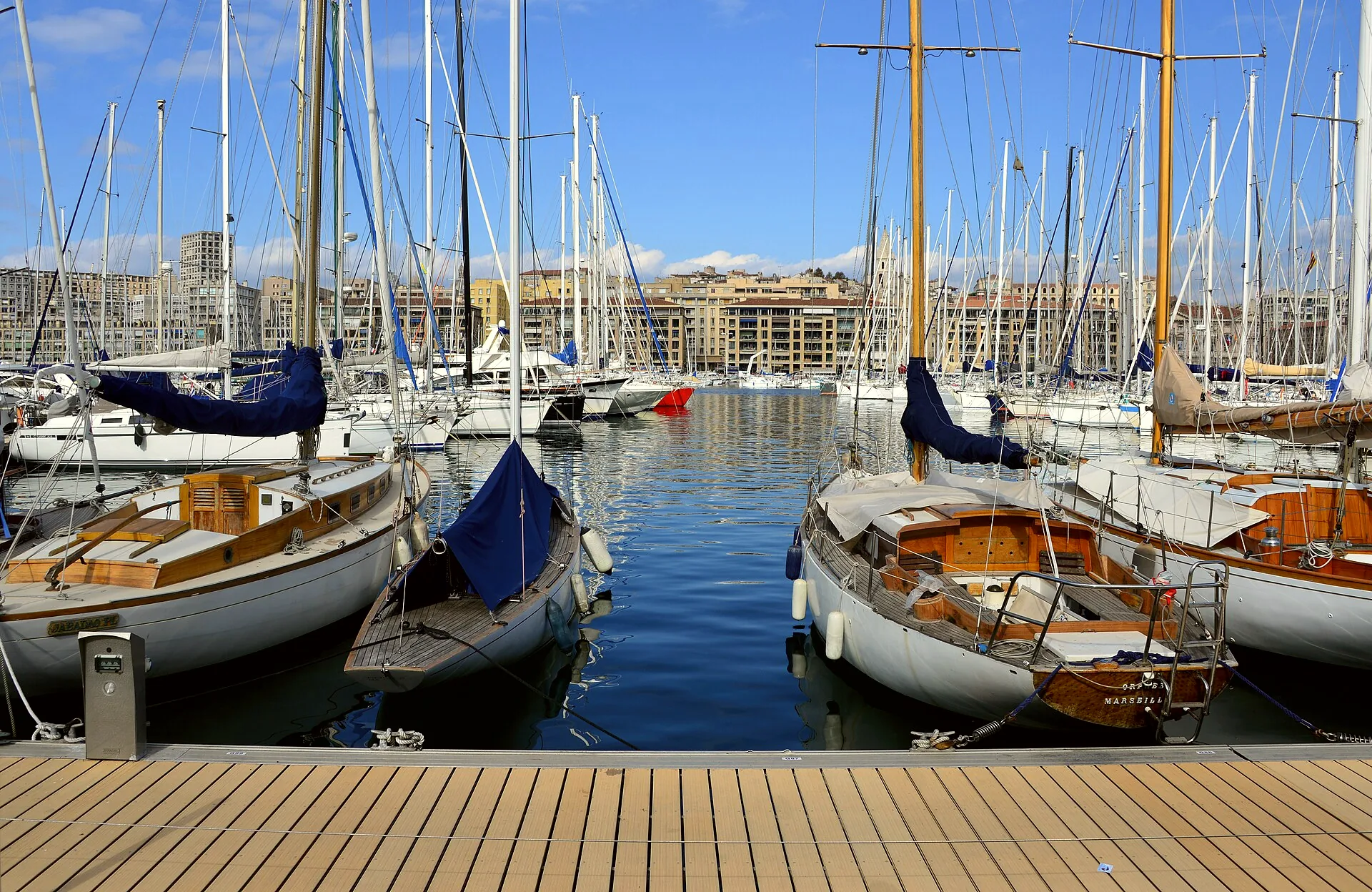
Marseille’s Old Port (Vieux-Port) is a useful starting area for harbour walks and exploring the city’s Mediterranean identity. Staying nearby puts the waterfront at the centre of your visit, but choose your accommodation around the evenings you want, not simply the most recognisable address.
Le Panier offers older streets and artisan shops, while MuCEM, the Museum of European and Mediterranean Civilisations, explores Mediterranean culture. Nearby Fort Saint-Jean adds historic fortifications and waterfront architecture. Group these places into the same part of a day so that the museum and harbour setting have room to be enjoyed, rather than pairing them with a succession of distant stops.
Cours Julien offers another setting, with street art and independent shops. It suits a stay in which neighbourhood browsing and evening outings matter as much as major sights. Visit it as its own area, rather than expecting every part of Marseille to feel like the port.
Try panisses, chickpea fritters, as a simple introduction to the city’s food. Between museum time, neighbourhood streets and harbour dining, Marseille rewards choosing a few contrasting experiences. The city is larger than Aix, but you do not need to see all its districts to get a varied stay.
Clément Bardot · CC BY-SA 4.0 · Edited
Airports, stations and getting around
| Criterion | Aix-en-Provence via A2 | Marseille via A1 |
|---|---|---|
| Adult single bus fare | €15 per person per ticket | — |
| Departures from Marseille Provence Airport | Every 30 minutes from 05:35; daily, including public holidays | Every 10 minutes 07:00–20:00; every 20 minutes overnight, early morning and later evening |
| Airport bus leg | To Aix bus station: about 28 km; about 42 minutes | To Saint-Charles: about 26 km; about 24 minutes |
| Walk from bus station to central landmark | To Cours Mirabeau: about 850 metres; about 12 minutes | To Old Port: about 2.7 km; about 31 minutes |
Marseille Provence Airport is the usual international gateway for both cities. Nice Côte d’Azur Airport is a farther alternative for Marseille, with onward travel by train. Paris Charles de Gaulle is another option for long-haul arrivals to Aix, followed by onward travel by train or road.
The A1 and A2 buses take you to their respective bus stations, not to your hotel. With luggage, the longer walk from Saint-Charles makes an onward metro journey or taxi worth considering for a harbour stay. Aix’s arrival walk brings you closer to the old-town area, although your room may be beyond Cours Mirabeau.
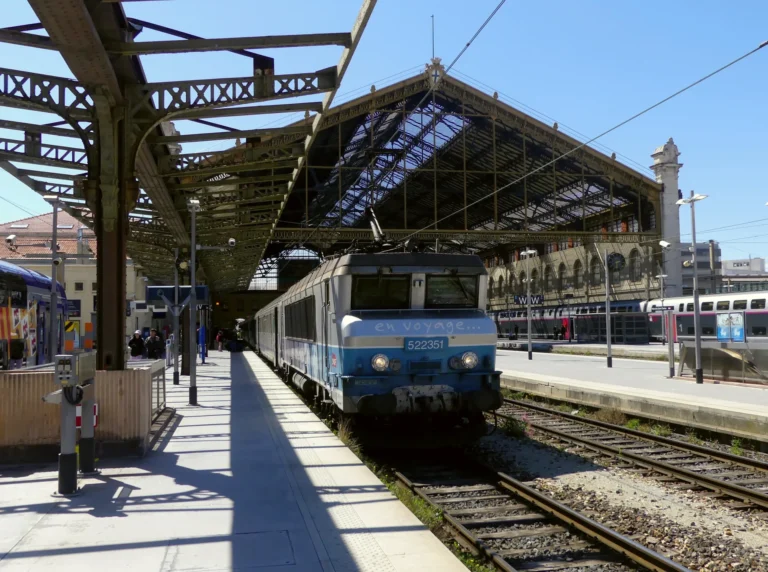
Aix-en-Provence TGV is not the central railway station. It lies about 15 km southwest of the city, while Gare d’Aix-en-Provence is the separate station in town. Choose the station with the onward journey in mind, rather than assuming a TGV arrival puts you beside the old town.
Both cities work without a car for a city-focused stay. Aix’s central sights lend themselves to walking, while Marseille’s dispersed outings make public transport useful between neighbourhoods. A central room saves repeated journeys at the beginning and end of the day.
The trade-offs of each base
Aix-en-Provence
Pros
- An inland base for visiting Lourmarin’s village streets, hilltop Gordes and Roussillon’s ochre landscape.
- The international opera festival takes place in July, giving music-led stays a clear seasonal focus.
Cons
- A same-day circuit of Lourmarin, Gordes and Roussillon is not realistic by scheduled public transport: limited connections do not fit together. Choose a car or organised tour for the multi-village day.
- During a festival-led stay, accommodation dates need to follow the performances you want, reducing flexibility.
Marseille
Pros
- A city base for Calanques outings, combining coastal landscapes with evenings back in town.
- Different neighbourhood settings let you stay near the evening outings you most want, rather than returning across the city after dinner.
Cons
- A stay centred on active coastal exploration needs fitness and good footwear: Calanques approaches are rugged, rocky, steep and physically demanding.
- Street character varies within central areas, so a broad neighbourhood label alone is not enough to choose the setting of your room.
Use ordinary urban precautions in Marseille: keep valuables secure in crowded areas and avoid leaving belongings unattended.
For either base, distinguish a city break from a succession of excursions. An inland village circuit or a demanding coastal walk takes the place of a city day, rather than fitting neatly around museum visits.
Seeing both on one stay
Stay in Marseille, then visit Aix for an inland day without changing rooms. From the Old Port, head to Saint-Charles for direct Line 50 to Aix’s bus station, then continue to Cours Mirabeau.
| Outbound leg | Distance | Travel time |
|---|---|---|
| Old Port to Saint-Charles, walking | about 2.3 km | about 27 minutes |
| Saint-Charles to Aix bus station, Line 50 | about 30 km | about 32 minutes |
| Aix bus station to Cours Mirabeau, walking | about 850 metres | about 12 minutes |
The walking and bus legs together take about an hour and a quarter, before waiting for the bus. Keeping one room saves packing and moving luggage, but allow the outing a full day rather than squeezing it between Marseille sights.
Line 50 costs €7 per person for a standard adult single ticket, but children under 11 and adults aged 65 and over travel free. Regular departures run every 15 minutes at :00, :15, :30 and :45.
- Evening returns from Aix after 20:00: 20:10, 20:30, 20:50, 21:15, 21:50, 22:25, 23:00 and 23:35.
- Final return departure from Aix: 00:00.
Spend the Aix day around Cours Mirabeau and the old town, with Musée Granet as a focused cultural stop. Choosing Atelier de Cézanne or further outlying Cézanne sites instead means allowing more time beyond the centre, not adding them to an already full circuit.
Which base fits your trip?
- Choose Aix for compact central sightseeing, café time and fine art, especially if Cézanne is a main interest rather than one stop among many.
- Choose Aix for inland village outings if you have a car or will take an organised tour. Do not build a multi-village day around scheduled buses.
- Choose Marseille for sea access and urban variety, with harbour walks, Mediterranean culture and distinct neighbourhood evenings.
- For a car-free city stay, choose by scale: Aix keeps central outings close together, while Marseille offers a broader stay using public transport between areas.
- If mobility or fitness limits demanding walks, distinguish the waterfront from the Calanques. Enjoy Marseille’s urban coast without making steep, rocky trails part of the plan.
- For a tighter room budget, Marseille’s estimated range starts lower, but compare the same room standard on your travel dates, because waterfront locations and busy periods can change the balance.
- If both experiences matter, stay in Marseille and visit Aix for a day. Keep one room and give the inland visit its own day.
Let your main interest decide where you sleep.
Sources & fact-checking
Checks against the sources below cover: fares and charges and services.