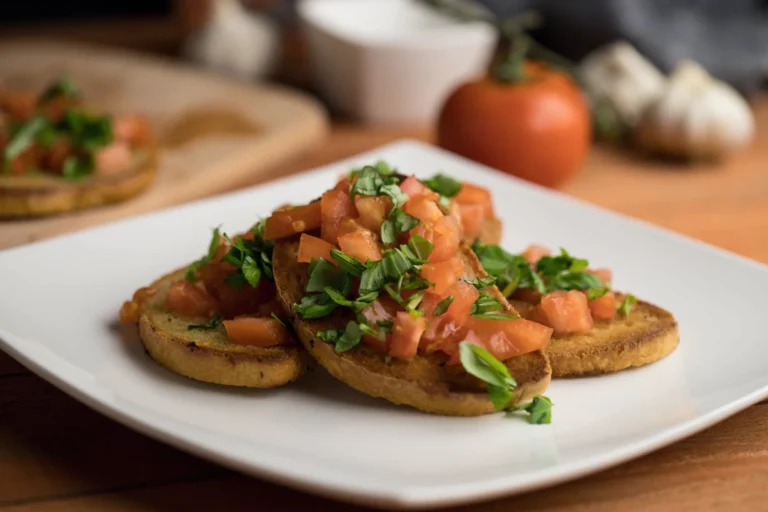
A creamy cod spread, sweet-sour sardines or a meatball can each be a cicchetto in Venice. Choose individual pieces rather than ordering a fixed platter: the counter display lets you put together a snack around the flavours you like. Cantine del Vino già Schiavi is one reference for this tradition, but the food changes from bar to bar.
Counter service and prices
- What they are
- Small Venetian savoury snacks: sandwiches, crostini, meatballs, fried seafood or vegetables, seafood portions and cured meats
- When to eat them
- A snack, a light meal or a pre-dinner aperitivo
- Reference venue
- Cantine del Vino già Schiavi
Cicchetto is the singular. A bacaro is a Venetian wine bar. Standing at the counter is the characteristic way to eat, with your bites and a glass alongside them. A seated restaurant meal is a different proposition, with fuller service and potentially a cover charge.
Budget roughly €2–€4 per piece, with larger bites and elaborate fish or cheese toppings towards the upper end. Simple, smaller pieces may cost less. Cicchetti can be an inexpensive snack, but several pieces per person plus drinks soon make a meal-sized bill.
Where table service is offered, allow roughly €1–€3 extra per person for a modest order, depending on the bar and what you order. At a seated restaurant meal, a coperto, or cover charge, is commonly around €2–€5 per person for the place setting and bread. It is distinct from buying pieces at a standing counter. Table-service pricing and a restaurant cover are not interchangeable.
Lunch is usually around 12:00–14:30 and dinner around 19:00–22:00. For a fuller meal, decide whether you want more counter bites or a sit-down meal. If you prefer a different quick snack altogether, other Venetian street foods offer alternatives beyond a cicchetti selection.
Cod, sardines and other bites
- Baccalà mantecato, whipped cod: traditionally made with rehydrated dried stockfish, simmered until tender and whipped vigorously with olive oil, sometimes with a little cooking water. The whipping creates the creamy texture, and garlic or parsley may season it. It comes on crusty bread or toasted polenta.
- Sarde in saor, sweet-sour sardines: fried sardines with onions slowly cooked in vinegar, customarily with pine nuts and raisins. The vinegar and onion balance gives the dish its tang and sweetness, but proportions vary, and some versions omit the nuts or raisins or add spices.
- Polpette, small meatballs or fish balls: recipes may include bread, egg, cheese, herbs or spices, and some come with sauce. Choose the meat or fish version according to the filling you want.
- Small sandwiches and crostini, topped bread slices: fillings and toppings change, from cheeses and cured meats to vegetables, fish and spreads. These give you alternatives to the characteristic cod and sardine preparations.
Choose contrasting preparations if you want variety: a creamy spread and a vinegar-rich fish bite offer quite different flavours on the same plate. The assortment reflects the bacaro’s specialities, the season and the available catch, so the display is your starting point.
For dietary needs, ask about both topping and base. A polenta base does not settle what is in the spread, while the binders in polpette matter as much as the main filling. With sardines, ask whether any ingredients you need to avoid are included, because recipes differ.
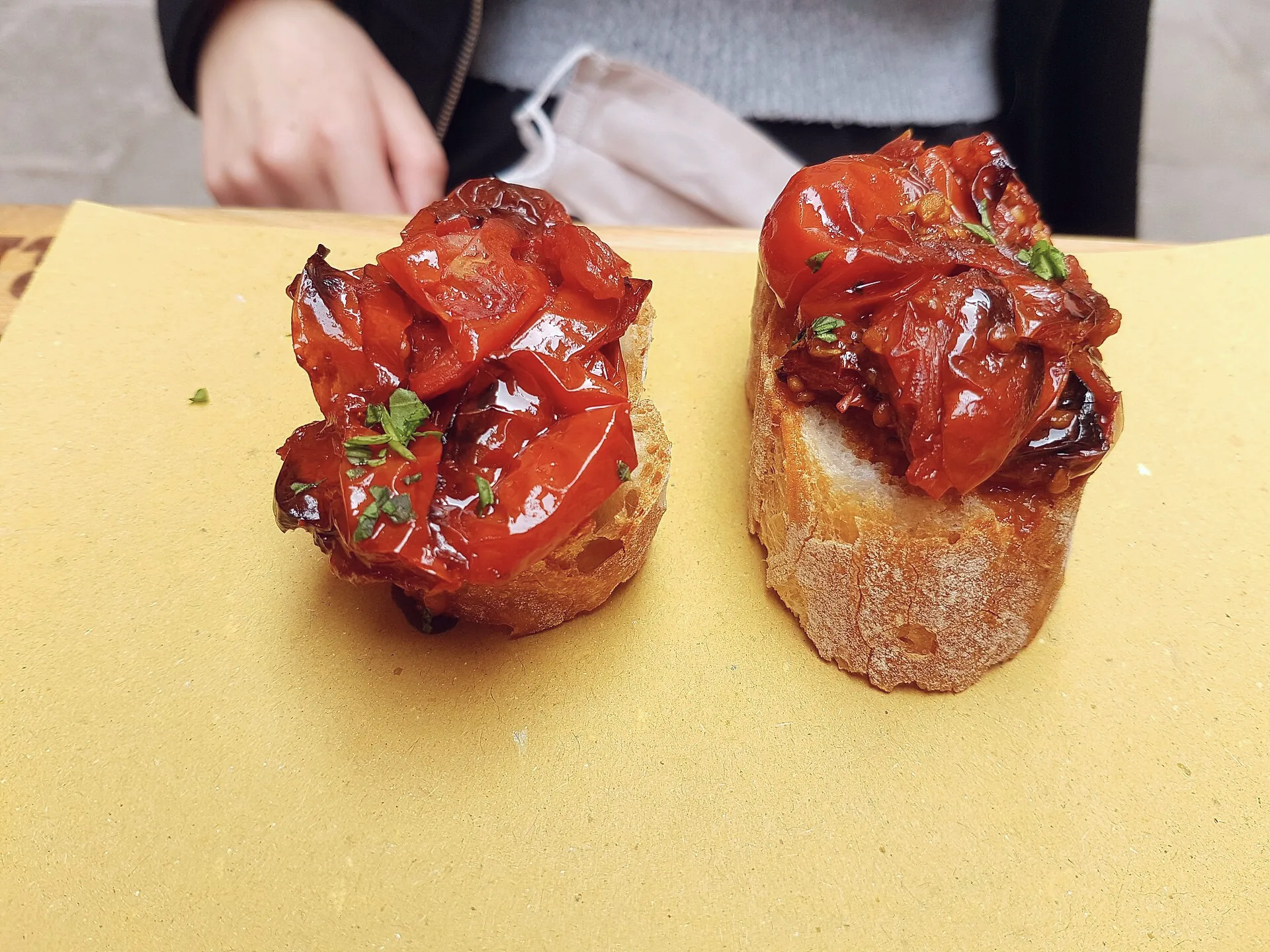
Benreis · CC BY-SA 4.0 · Edited
Ordering cicchetti and wine
- Look over the trays and ask the server about any filling you cannot identify, including ingredients that matter for your diet.
- Point to the pieces you want and say how many of each. Start with a small selection, and you can add more according to your appetite.
- Order your drink separately, specifying the wine or cocktail you want rather than assuming it comes with the food.
An ombra is a small glass of wine, often about 100 ml, though the pour varies between bars. Ask for “un’ombra rossa” for red or “un’ombra bianca” for white. If several wines are offered, name the one you want as well. This suits a modest accompaniment rather than a large glass.
For a simple counter wine, expect roughly €2–€4, while a glass of prosecco is commonly around €3–€6, and a spritz around €4–€7. Wine choice and pour size can raise the price, and table service may cost more than drinking at the counter.
Prosecco and a spritz are common alternatives to an ombra. A spritz is a separate cocktail order, not a style of ombra. For a larger food selection, keep choosing by piece: there is no need to commit to a set meal before you know how hungry you are.
Choosing cicchetti at a bacaro
The best cicchetti for you depend on the flavour you want: choose baccalà mantecato for creamy fish, sarde in saor for sweet-sour sharpness, or polpette if you prefer a meat or fish bite with more substance. Where they appear together, a mixed selection lets you try more than one preparation.
Before buying, look for moist-looking, colourful toppings, glossy, firm-looking seafood and crisp-looking bread. These are useful visual selection cues, but for an ingredient question, ask the server rather than relying on appearance.
Cantine del Vino già Schiavi serves cicchetti and is a reference for the tradition through its long-standing family-run bacaro and inventive crostini. Its combinations of fish, cheeses and seasonal ingredients make it a place to try toppings beyond the familiar preparations. It is an inexpensive wine-bar option in Dorsoduro, rather than a full restaurant meal.
Its published service window is Monday to Saturday, 08:30–20:30, giving you the option of a daytime snack as well as a pre-dinner stop.
- Name
- Cantine del Vino già Schiavi
- Location
- Fondamenta Nani 992, Dorsoduro, Venice Maps
- Site
- cantinaschiavi.com
- Hours
- Mon–Fri 08:30–14:00, 16:00–20:30
- Sat 09:30–14:30
- Sun Closed
- Essential fact
- Cantine del Vino già Schiavi is a wine bar on Fondamenta Nani in Dorsoduro.
- Price range
- €
Sources & fact-checking
Checks against the sources below cover: opening hours.