In Granada, a small tapa is customarily included with a qualifying drink, but it is not guaranteed with every order. Confirm that your chosen drink includes food before ordering, then let the bar bring the tapa. Your drink, where you sit and whether you choose extra food can all affect what you pay.
Ordering a drink and a tapa
- Ask “¿Esta bebida incluye tapa?” (Does this drink include a tapa?) before placing your order.
- Order your drink: “Una caña, por favor” (A small draught beer, please) or “Una cerveza sin alcohol, por favor” (A non-alcoholic beer, please).
- Wait for the food, which often arrives automatically. If it does not, politely ask whether your tapa is coming.
Beer, wine and vermouth ordinarily qualify in traditional tapas bars. Other alcoholic drinks, including spirits with mixers, depend more on the venue. Drink size or price can also affect the offer, so a cocktail order should not be treated as a promise of food.
You do not need to drink alcohol to get an included tapa. Non-alcoholic beer and soft drinks commonly qualify, as does mosto, grape juice. Water is less reliable, while coffee and tea generally do not qualify. A café or late-night cocktail bar may work differently from a traditional tapas bar, and food service matters too.
Later rounds typically bring another included tapa in bars following this custom. Order another drink because you want it, rather than assuming that a succession of rounds will provide a particular meal.
As a rough budget, allow €3–€5 for a small beer or soft drink and €3–€6 for a glass of wine or vermouth. Larger measures and terrace seating can cost more. The tapa is an inclusion with the qualifying drink, not a separate dish you can necessarily select from the menu.
Seats, menus and sharing
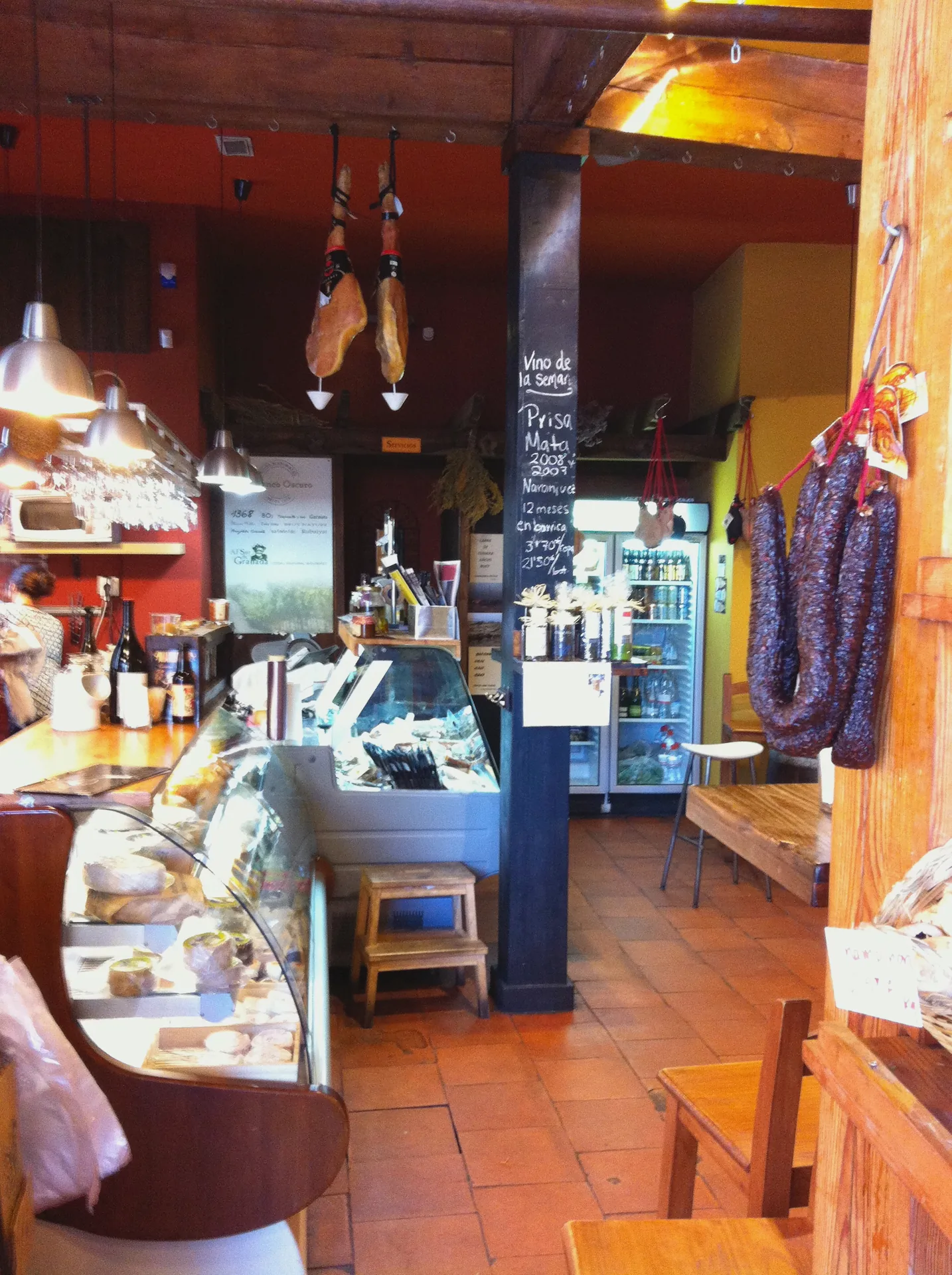
At a Granada tapas-bar counter, you usually order directly from the bartender. Tables commonly have waiter service. In a busy or informal bar, ask “¿Se pide en la barra?” (Do we order at the counter?) rather than placing the same order with two members of staff.
https://www.flickr.com/photos/andynash/ · CC BY-SA 2.0 · Edited
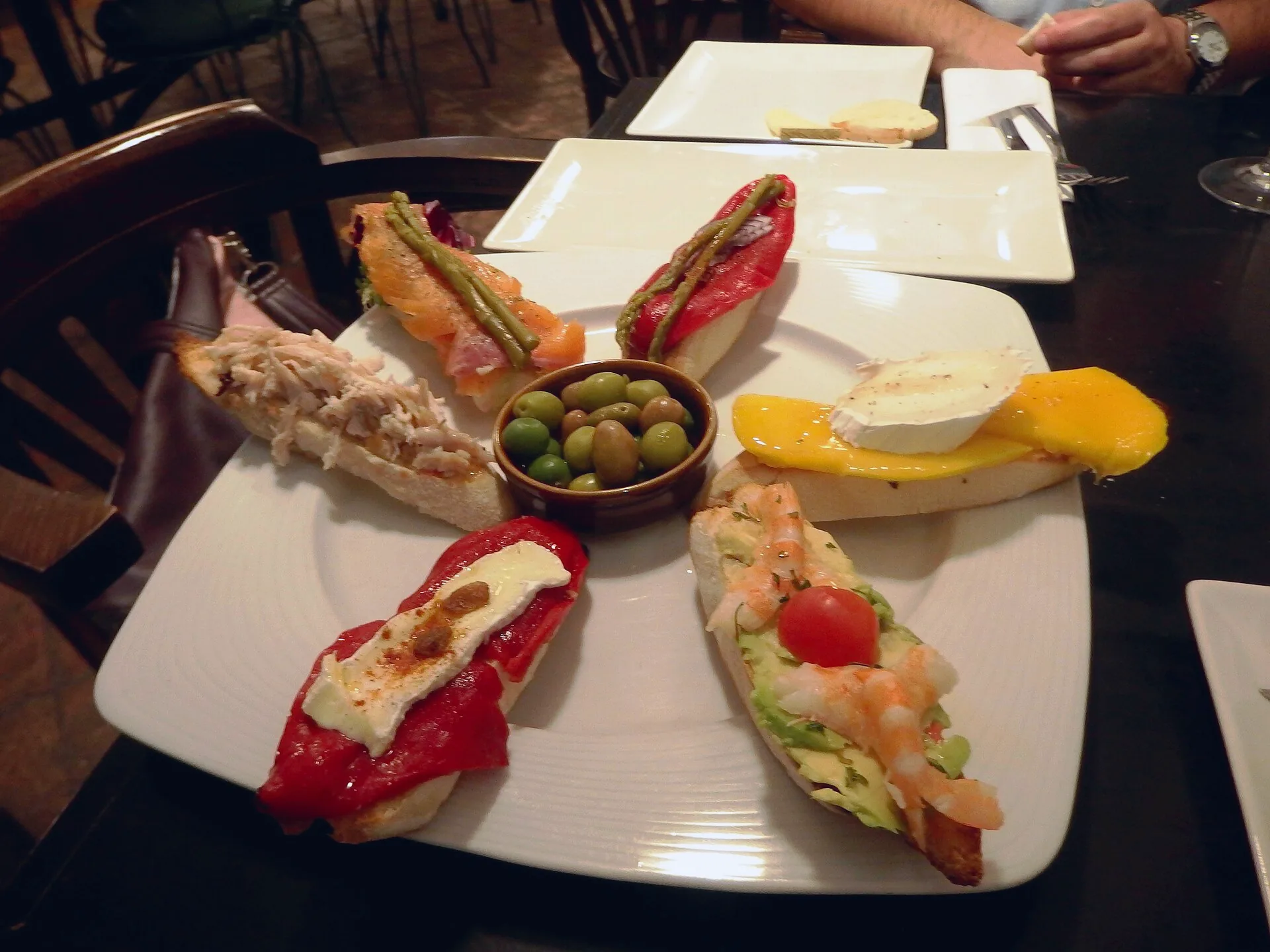
Ask whether you can choose the included tapa before picking food from a menu. Some bars offer a selection, while others bring their own choice according to what is available. A menu listing tapas does not by itself mean those dishes come with your drink.
Even where selection is possible, a group may be limited to two varieties in one round. Agree your choices together and ask what the bar allows before everyone requests a different dish. At other bars, everyone receives the bar’s selection.
A ración is a full-size portion ordered separately, rather than the included tapa. It is useful when you want a particular dish or more food. Confirm which menu items are paid, then agree within your group which plates are for sharing. An individual tapa need not automatically become communal food.
Tapas times and ordering enough food
Aim for lunch tapas around 13:30–16:00 or evening tapas around 20:30–00:00. These are Granada’s customary meal periods, so they are a better time to order food than dropping in just for a drink between meals.
Included tapas vary from a small bite to a fairly substantial plate. Assess the first serving before deciding how much more food to order. If you are sharing, consider how much each person actually gets, not simply how many plates arrive.
When you are still hungry, order a separate plate you want to eat. As a rough budget, smaller paid portions often cost about €5–€10, while full portions commonly run around €10–€20. Portion size and dish type matter: seafood or meat dishes can cost more than simple vegetable plates. Ask how large the serving is before choosing food for the group.
There is no fixed number of tapas that makes a meal. Let your appetite guide you, and use paid food when that suits you better than another round of drinks. You can enjoy the custom without drinking more alcohol to obtain dinner.
Vegetarian choices and food allergies
Tell staff about dietary needs before the tapa is selected. Some Granada bars can offer a vegetarian alternative, while others choose the included food themselves and may not have a suitable replacement. A choice of tapas can help, but it does not guarantee that a dish meets your requirements.
- “Soy vegetariano/vegetariana. ¿Hay una tapa sin carne ni pescado?” means “I’m vegetarian. Is there a tapa without meat or fish?”
- “Tengo alergia a los frutos secos” means “I have a nut allergy”. Name your specific allergen rather than relying on a general request.
- “¿Qué ingredientes lleva?” means “What ingredients does it contain?”
For an allergy, ask about preparation as well as ingredients, including shared utensils, cooking oil or surfaces where cross-contact could occur. A dish’s name or appearance cannot answer those questions. Make the distinction clear if staff interpret your request as a preference rather than a safety need.
Asking for and sharing the bill
Ask for the bill with “La cuenta, por favor” (The bill, please). You may also hear “¿Me cobras?” (Can you ring me up?). Before ordering as a group, ask “¿Podemos pagar por separado?” (Can we pay separately?) if individual bills matter to you.
Granada tapas bars commonly ask groups to pay together. If separate bills are not offered, agree how to divide the total: one person can pay and the others reimburse them, or everyone can contribute cash. Account for separately ordered dishes according to what your group agreed to share.
For an unexpected food charge, point to the item and ask “¿Esta tapa estaba incluida?” (Was this tapa included?). Explain which drink or dish you ordered and refer to the menu calmly. This helps distinguish an included serving from extra food ordered separately.
Do
- Establish the offer before ordering, then distinguish extra food when settling up.
- Agree who will pay a shared bill and how the group will reimburse them.
Don’t
- Treat every menu dish as included because the bar serves tapas.
- Assume the waiter will produce an individual bill for each person.