Choose Vienna for an art- and coffeehouse-led break. Choose Munich for museum neighbourhoods, beer gardens and evenings around Gärtnerplatz. Both reward a short stay, but the better choice depends on what you want to do between the headline sights.
Vienna’s Kunsthistorisches Museum and Munich’s Alte Pinakothek both give you a strong reason to spend time indoors. Your dates, accommodation and arrival airport can make more difference to the budget than the city name alone.
Munich and Vienna at a glance
| Criterion | Munich | Vienna |
|---|---|---|
| Cultural focus | Museum neighbourhoods; Old Masters | Major art museums; imperial collections |
| Neighbourhood evenings | Beer gardens; Glockenbachviertel bars | Coffeehouses; wine-tavern outings |
| Central mid-range double room | About €140–220 per room per night | About €120–200 per room per night |
| Simple main course and drink | About €20–30 per person | About €18–28 per person |
| Individual adult central-city ticket | €10.10 per Single Day Ticket | €10.20 per paper 24-hour ticket; €9.70 per digital ticket |
Room estimates assume two adults sharing a central mid-range double, rather than a luxury hotel or a room well outside the centre. On these rounded ranges, Vienna is about €20 less per room per night and €2 less per meal at either end. Dates and individual hotel choices can reverse that difference. For the city tickets, Munich costs €0.10 less than Vienna’s paper version, while Vienna’s digital version costs €0.40 less than Munich’s.
The meal estimates cover an ordinary restaurant main course and a drink, not multiple courses or a long evening of drinks. In either city, choosing a simpler restaurant away from the busiest sightseeing streets helps contain spending. Festival dates, major events and the most sought-after central locations push room costs upwards, so neither city has an automatic budget advantage for every trip.
Museums, neighbourhoods and evenings
Maxvorstadt suits a Munich stay built around art rather than only the old town. The Alte Pinakothek’s European Old Masters make it a natural starting point, while nearby university life brings cafés and everyday activity between museum visits. Staying here puts those daytime interests close at hand; an old-town base instead favours the central sights.
- Name
- Maxvorstadt
- Location
- Munich Maps
- Essential fact
- Munich’s museum and university neighbourhood.

-wuppertaler · CC BY 4.0 · Edited
Schwabing adds cafés and streets to explore north of the central sights, with the English Garden nearby for an outdoor break. Glockenbachviertel and Gärtnerplatz suit a different evening: bars, restaurants and a meal followed by drinks. Choose your Munich base around the evenings you want, rather than assuming all these neighbourhoods are interchangeable.
A Munich beer garden works well as a pause between sightseeing and dinner, especially when the weather encourages sitting outdoors. It need not turn the whole day into a beer-focused outing. Leave space for it after a museum rather than stacking another indoor visit into the afternoon.
Vienna’s Kunsthistorisches Museum combines Old Master paintings with imperial collections, making it the strongest match for a broad historical-art visit. Select Vienna’s museums by the art you want to see, rather than treating them as one interchangeable circuit.

Hubertl · CC BY-SA 4.0 · Edited
Belvedere is the choice for Klimt and Austrian art in a palace setting. The Leopold Museum brings Austrian modernism, particularly Schiele, into focus, while the Albertina offers graphic art and changing exhibitions. Taking each seriously leaves less time for neighbourhood wandering, so choose a priority before adding further museum stops.
Piaristenviertel gives you lanes and coffeehouses around the Piarist church, a good counterpoint to the major collections. Nearby Josefstadt is a useful accommodation starting area if you want neighbourhood cafés rather than a stay entirely among the old town’s sights. A central Vienna base favours those sights, while Josefstadt shifts the emphasis towards everyday streets and evenings.
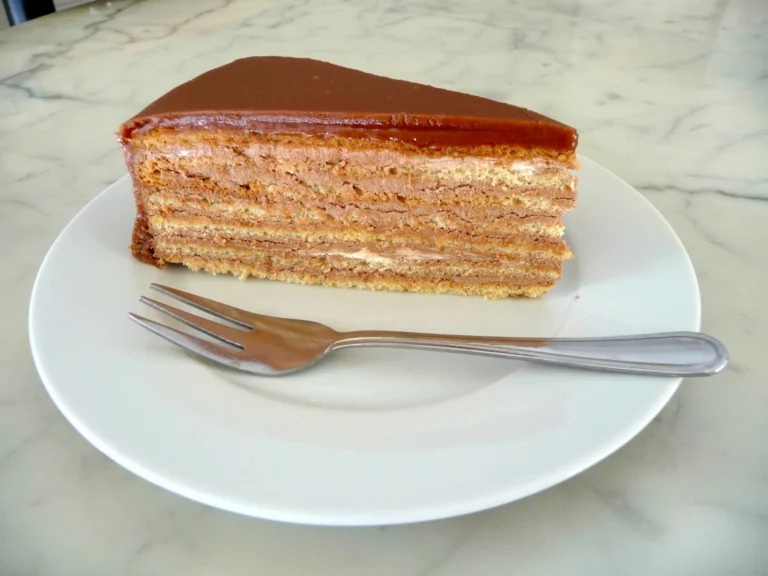
Viennese coffeehouses encourage a seated break over coffee and cake, rather than a quick drink between attractions. Wine taverns, known as Heurigen, take you towards the city’s vineyard edges. They are a distinct outing, not simply another central stop to squeeze in after several museums.
Munich
Pros
- You can build a day around art, cafés and university-area streets without making every stop a major monument.
- Beer-garden breaks and neighbourhood dining allow an evening without a fixed cultural programme.
Cons
- Exploring several neighbourhoods uses time you might otherwise devote to the old town.
- A beer-garden-led visit loses much of its appeal in poor outdoor weather.
Vienna
Pros
- Distinct collections let you shape the visit around a particular artistic interest.
- Coffeehouse breaks provide a comfortable indoor pause in a museum-led day.
Cons
- The breadth of major collections demands selection on a short stay.
Rooms, meals and local transport
Munich is often the dearer choice for ordinary rooms and meals, but your travel dates can outweigh that tendency. Vienna’s overlapping spending ranges make it a promising starting point for a tighter budget, not a guarantee. Compare the same room standard and equally convenient locations: a cheaper room loses some value if it adds journeys to every museum visit.
Dining style matters in both cities. A simple main course and one drink keeps the comparison fair, but adding starters, wine or repeated coffeehouse stops changes the daily total. Spending less on a room outside the historic core can leave more for meals, provided the neighbourhood still suits your evenings.
Munich’s MVV Single Day Ticket for the central city allows unlimited travel from validation until 06:00 the following day. An afternoon arrival therefore does not carry you through the next morning’s sightseeing. Vienna’s 24 hours WIEN lasts exactly 24 hours from validation. Online and app tickets carry their selected validity period. That rolling window can suit an afternoon arrival followed by a museum visit next morning.
Neither central-city ticket covers its city’s airport. For Munich Airport, use a day ticket covering the city and airport, such as the Airport-City-Day-Ticket. For Vienna Airport, you need an additional ticket for the airport section alongside your city ticket. Choose the arrival ticket around the actual journey, then decide how much urban transport you need once you have reached your accommodation.
Airports and station arrivals
Munich Airport is Munich’s principal international air gateway. The S1 journey boarding at Besucherpark reaches Munich Central Station (München Hauptbahnhof) in about three quarters of an hour. This journey starts at Besucherpark, so allow separately for reaching that boarding point from your terminal. The S1 runs every 20 minutes daily, from about 03:00 to midnight, with continuous operation on weekends and public holidays.
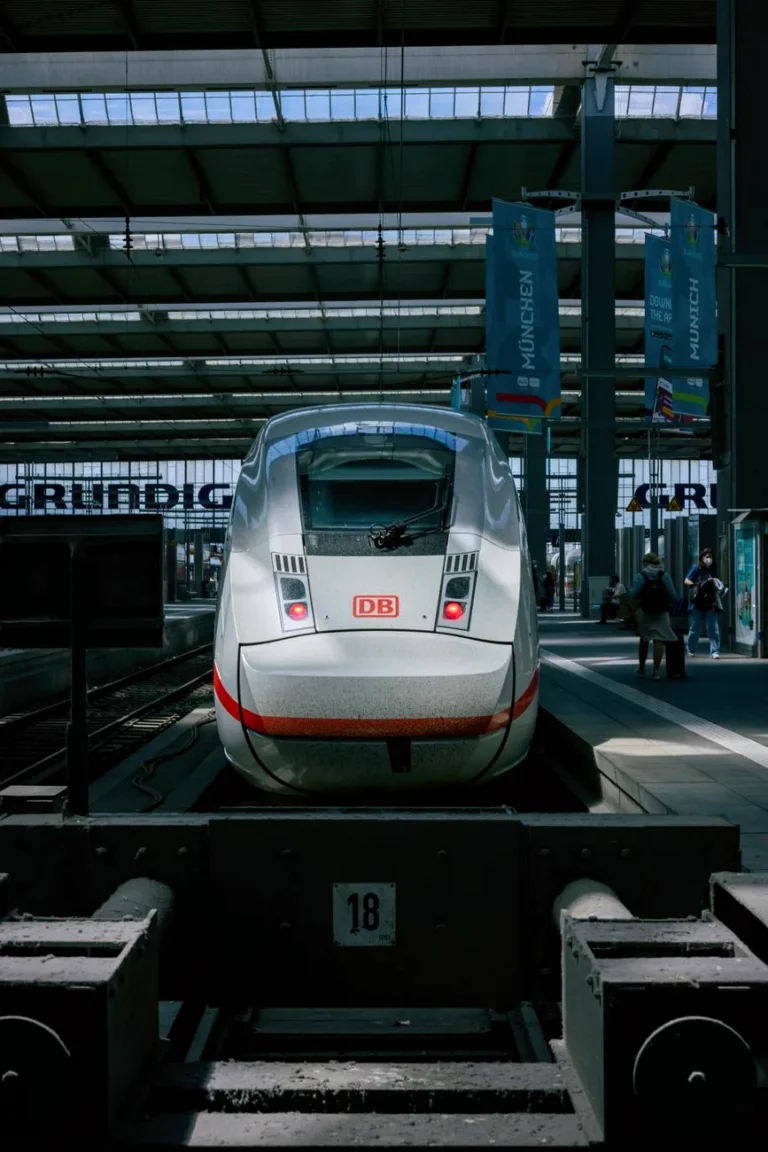
Munich Central Station also receives rail arrivals from elsewhere in Europe. It lies west of the old town, giving you a useful arrival point for central accommodation or onward urban transport to Maxvorstadt. Choose the neighbourhood for your stay rather than simply the hotel nearest the platform.
Memmingen Airport is a separate option if your flight lands there. The journey to Munich Central Station takes about an hour and a half, combining a FlixBus coach to Munich Central Bus Station with an onward walk and tram connection. The coach does not drop you at the railway station. Its four daily departures have date-dependent timing, so a cheaper flight can consume more of a short break through the longer transfer and the wait for a coach.
Vienna International Airport, also known as Vienna-Schwechat, is Vienna’s principal international air gateway. An Intercity train reaches Vienna Central Station (Wien Hauptbahnhof) in about 14 minutes. Railjet and Intercity services together run twice per hour, making this a straightforward arrival for a station-side hotel or onward city transport.
Vienna Central Station is south of the historic centre and also serves travellers arriving by rail from elsewhere in Europe. Staying nearby favours easy train arrivals and departures, while staying centrally or in Josefstadt puts the emphasis on the sights or neighbourhood cafés instead. Include the onward journey to that chosen base in your arrival plans.
Crowds and seasonal plans
Choose Munich’s festival period only if Oktoberfest is part of the trip you want. It changes the character of a city break and can put pressure on accommodation spending. Outside the festival, a beer-garden afternoon leaves more freedom to fit food and drinks around museum visits, without making the festival grounds your main destination.
Vienna’s Christmas-market season runs from mid-November until Christmas. It gives a winter stay an outdoor evening focus alongside art museums and coffeehouses. Leave room for market browsing rather than adding it after an already crowded programme of indoor visits.
Beer gardens and Vienna’s vineyard outings depend on the weather for much of their appeal. Keep a museum-led day as the alternative to an outdoor plan. In crowded stations, markets and visitor areas, keep bags closed and valuables secure, and step aside from busy pedestrian flows before consulting your phone.
Visiting both by train
Visit Munich first, then Vienna, giving each city its own stay. Begin with Maxvorstadt, neighbourhood evenings and beer-garden breaks. Continue with Vienna’s major art collections and coffeehouses. This order lets you enjoy the contrast without treating either city as a hurried excursion from the other.
From Munich Central Station to Vienna Central Station, a connection changing at Salzburg takes about 4 and a half hours. Direct trains also link the two stations without a change, a convenient alternative when you have luggage. Keep the transfer as a distinct part of the trip rather than promising yourself a full sightseeing day in both cities.
Super Sparpreis Europa Austria starts at €19.99 per adult for a one-way second-class ticket, subject to availability. Coordinate your accommodation dates with the rail journey before committing to this advance fare.
Which city should you choose?
- Choose Vienna for a first visit centred on major art collections, coffeehouses and historical buildings. It is the nicer fit for those interests, not a universal beauty winner.
- Choose Munich for Old Masters, beer gardens and neighbourhood evenings, with an indoor alternative when the weather turns.
- Let dates decide a tight budget: Vienna often offers lower ordinary room and meal spending, but compare like-for-like accommodation. Munich’s festival period can change the balance.
- Choose Vienna for a Christmas-market break, allowing time outdoors alongside museums.
- Visit both, Munich then Vienna, if you can give each its own stay and set aside time for the train transfer.
The better break is the one whose everyday pleasures match your interests.
Sources & fact-checking
Checks against the sources below cover: services, key figures, and fares and charges.
- Munich Airport — service
- FlixBus — service
- ÖBB — service
- München Tourismus — key figures
- By plane
- MVV (Münchner Verkehrs- und Tarifverbund) — fares and charges
- Münchner Verkehrs- und Tarifverbund (MVV) — fares and charges
- Wiener Linien — fares and charges
- 24 Stunden Wien – Wiener Linien
- Kernzone Wien – Wiener Linien
- München – Wien: Günstige Bahntickets ab 27,99 Euro im RJX | DB
- Deutsche Bahn — fares and charges
- Mit welchen Zügen kann ich mit dem (Super) Sparpreis Europa Österreich reisen?
- Vienna’s most attractive Christmas markets