Pack a compact clothing capsule, worn-in walking shoes, portable rain protection and a small hands-free day bag for New Orleans. Your month of travel determines how many warmer layers or extra lightweight clothes you need. Start with enough for a four-day stay, then use laundry to stretch the same clothes to a week rather than packing a separate outfit for every occasion.
A four-day clothing checklist
| Clothing | Suggested quantity | Reuse or adjustment |
|---|---|---|
| Everyday tops | 4 | Extra for sweaty days |
| Bottoms | 2 | Wear with every top |
| Underwear | 4 sets | Extra if changing often |
| Socks | 4 pairs | Match your walking shoes |
| Sleepwear | 1 set | Reuse during the stay |
| Light cardigan or wrap | 1 | Indoor and evening layer |
Treat these quantities as a suggested four-day capsule, not a daily outfit rule. Count the clothes you travel in towards the total. Choose tops and bottoms that work together, whether you prefer trousers, shorts, skirts or dresses. A dress can replace a top-and-bottom combination rather than become an additional outfit.
Lightweight, washable fabrics are useful in warm weather. If you expect to change after a hot afternoon outdoors, add a spare top and underwear rather than doubling the entire capsule. Personal comfort matters more than keeping to the suggested count.
For a week, plan a laundry break and reuse the capsule. Leave yourself something comfortable to wear while the other clothes are being washed, and favour pieces that dry readily. Without laundry, add fresh underwear and tops according to how often you normally change.
A cardigan or wrap gives you an easy layer in restaurants, bars and other indoor spaces where air-conditioning can feel cold after outdoor heat. Comfort varies by person and venue, so choose something you can carry rather than a bulky layer you must wear all day.
Seasonal layers and rain protection
| Season | Typical conditions | Clothing additions |
|---|---|---|
| Winter | About 46–62°F | Jumper, long trousers, jacket |
| Spring | Low 50s to upper 70s°F | Light layers, removable jacket |
| Summer | 80s–90s°F; hot and humid | Breathable clothes, spare tops |
| September | Upper 80s°F | Keep summer-weight clothes |
| October–November | Upper 70s to mid-50s°F | Long sleeves, warmer evening layer |
Choose layers you can remove as the day warms up. Winter calls for more than the light indoor wrap, while spring suits clothes that work both with and without a jacket. September still needs heat-friendly clothing. Later autumn is the time to bring back warmer layers rather than treating the whole season as summer.
Summer humidity is highest in August. Loose, breathable clothing is a useful choice, and an extra change can be more comfortable than staying in a damp top through dinner.
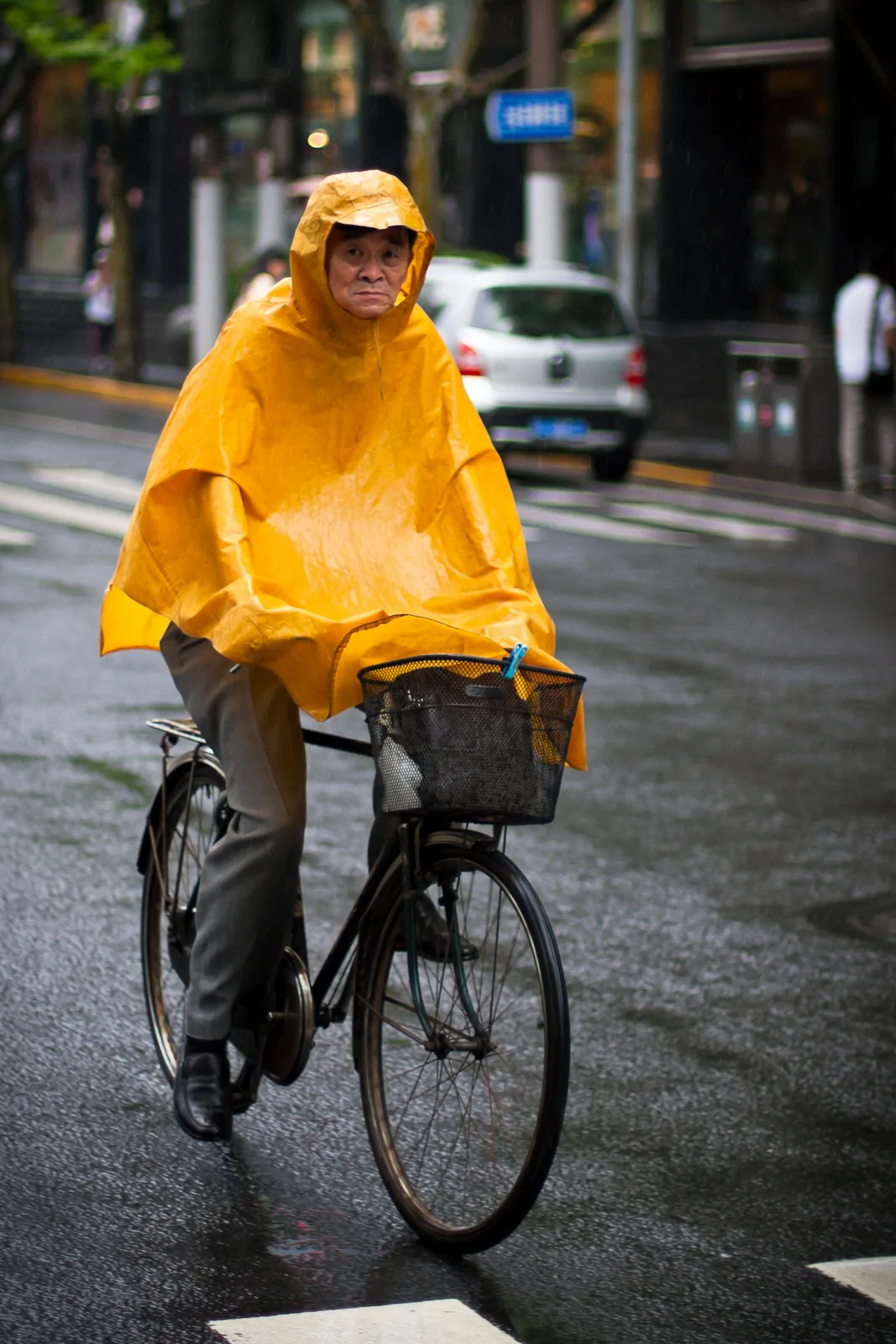
Rain falls throughout the year and is generally heavier from June through September, with a late-summer peak. Carry rain protection that fits in your day bag. A compact umbrella lets you keep wearing your usual clothes, while a lightweight rain jacket leaves your hands free. A packable poncho is another option, particularly if you want loose coverage over a small bag. Avoid relying on a heavy waterproof layer that you will be reluctant to carry in the heat.
Robert S · CC BY 2.0 · Edited
Hurricane season runs from 1 June to 30 November each year. Ordinary shower protection is separate from preparation to leave the city. Keep a portable set of essentials together: identification and important documents, medication, cash, phone and charger, keys and personal hygiene items. These are things you need accessible, not buried under clothes.
NOLA Ready identifies evacuation areas through an interactive evacuation-area map and official alerts. The order’s coverage determines whether you need to leave your location.
Shoes for walking and wet streets
Choose supportive, already worn-in shoes as your main walking pair. The French Quarter has uneven, often cracked pavements and cobbled streets, so a sturdy sole and secure fit matter more than having footwear to match every outfit. Shoes that feel fine for a short errand may not suit a day spent on your feet.
Puddles and grime after rain make closed-toe shoes preferable for longer street walks. Look for grip underfoot and consider drying time: a pair that stays wet leaves you with fewer comfortable choices the next morning. Closed toes do not make a shoe waterproof, so favour a pair you can clean and dry without fuss.

Infrogmation of New Orleans · CC BY-SA 4.0 · Edited
Sandals or pool footwear are conditional extras, not replacements for your walking shoes. Sandals may suit a shorter outing if they fit securely and feel comfortable to you. Pool footwear earns its space only if swimming is part of your stay. For compact luggage, let the spare pair cover more than one activity rather than adding shoes for every possibility.
Choose shoes for their intended use
Do
- Wear your main pair on several walks before travelling.
- Choose a secure fit, supportive sole and tread with grip.
- Add a spare pair if it gives you a dry walking option or serves a planned evening.
Don’t
- Make brand-new shoes your only walking pair.
- Rely on loose flip-flops or delicate footwear for long, wet street walks.
- Pack several similar pairs with no distinct use.
Your city day bag
- Everyday: drinking water, so you can drink throughout time outdoors.
- Everyday: your phone and a compact power bank with its cable for longer days away from a socket.
- Everyday: necessary medication, tissues and a small hand sanitiser for personal needs on the move.
- Everyday: your payment method, keys and the identification you need that day, kept easy to reach.
- For sun: a hat, sunglasses and sunscreen for exposed skin.
- For rain: your chosen compact umbrella, rain jacket or poncho.
- For longer outings: a small snack if you expect a long gap between meals.
Use a small hands-free bag that holds the essentials without feeling overfilled. A zipped crossbody bag keeps your hands available while you walk, and a small backpack may suit you better if water and rain protection make the load awkward. Choose the size around what you actually carry, not the possibility of filling it.

engin akyurt · Unsplash License · Edited
In hot weather, drink water regularly outdoors, even before you feel thirsty. A bottle within reach makes this easier than one buried at the bottom of a bag. Seek shade and take frequent breaks rather than relying on what you have packed. Wear your hat and apply sunscreen regularly outdoors, and keep out of direct sun where possible.
Secure closures and keeping valuables close are practical habits, but no bag removes the need to pay attention to your belongings. Carry only the valuables you have a use for, and avoid a load that makes it hard to find your phone or medication.
For an evening out, reduce the contents to what the outing needs. Keep the light layer if indoor air-conditioning bothers you, but leave bulky daytime extras behind when they have no role in your plans.
Evening clothes and outdoor events
Build an optional dressier combination from clothes you already plan to wear. A simple dress, or a fresh shirt with trousers or a skirt, can give you a change for dinner without adding a single-use outfit. Choose the combination around your planned evening, and pair it with comfortable shoes suited to any walking you will do.
For outdoor events, prepare for time spent standing as well as getting there. Clothes you can layer, rain protection you can carry and shoes that remain comfortable on your feet are more useful than extra accessories. If you are choosing between decorative items and weather-ready clothing, give the clothing the luggage space.
Mardi Gras parades move through New Orleans streets, with visitors watching from pavements and catching throws, the items tossed from floats. Costume accessories are a personal choice, not a packing requirement. Keep ordinary outdoor clothing underneath or alongside them, and avoid accessories that make it difficult to carry your bag or use rain protection.
Leave elaborate outfits at home if they have no intended outing. One adaptable evening combination gives you more use than several clothes packed only because you might want them.
Final packing checks
- Gather personal toiletries, routine medication, required travel documents and charging equipment before closing your suitcase.
- Separate anything needed during travel or immediately on arrival from the main luggage, and keep those essentials accessible.
- Try your clothing combinations, including the evening option, and remove pieces that work with nothing else.
- Load your day bag and wear it around at home. Adjust the contents if it pulls, feels bulky or makes essentials hard to reach.
- Remove duplicate electronics, unnecessary valuables and outfits with no intended use. Keep a spare only when it serves a different purpose.
Finish by packing for the activities you have chosen, not every possible outing. Leave a little room to put away a removed layer, so your bag remains usable as the day changes.
Sources & fact-checking
Checks against the sources below cover: services and key figures.