Choose New Orleans for a short break centred on live music and Creole food, or Chicago for architecture and a wider spread of neighbourhoods. Frenchmen Street and the Chicago Riverwalk capture the difference: one invites you to build an evening around music, the other puts the city’s buildings beside a walkable waterfront.
For an independent visit, both work without a car. The deciding questions are how much you want to move between districts, when you will travel and whether direct airport rail matters more than a compact sightseeing core.
The city-break comparison
| Criterion | New Orleans | Chicago |
|---|---|---|
| Main sights | Historic houses and streets | Architecture and riverfront |
| Food traditions | Creole and Cajun cooking | Neighbourhood cuisines and local classics |
| Evenings | Concentrated live-music outings | Music, theatre and varied districts |
| Between visitor districts | Walking, streetcars and buses | Walking and extensive urban rail |
| Airport public transport | Road-based bus | Direct rail from both airportsBest |
| Winter outdoor comfort | Milder neighbourhood walksBest | Cold, with indoor breaks |
| Summer outdoor comfort | Hot and humid | Warm, better for extended walksBest |
| Indicative double-room cost | $160–$260 per room per nightBest | $180–$300 per room per night |
New Orleans has the lower estimated room range, by $20 at the lower end and $40 at the upper end. The ranges overlap, so a quieter room or a better location can outweigh the city-level difference. Event dates can overturn it.
Use the comparison to choose the kind of break, rather than count attractions. New Orleans rewards returning to music and food across several evenings. Chicago rewards selecting different neighbourhoods, with travel between them part of the day.
Food, neighbourhoods and evenings
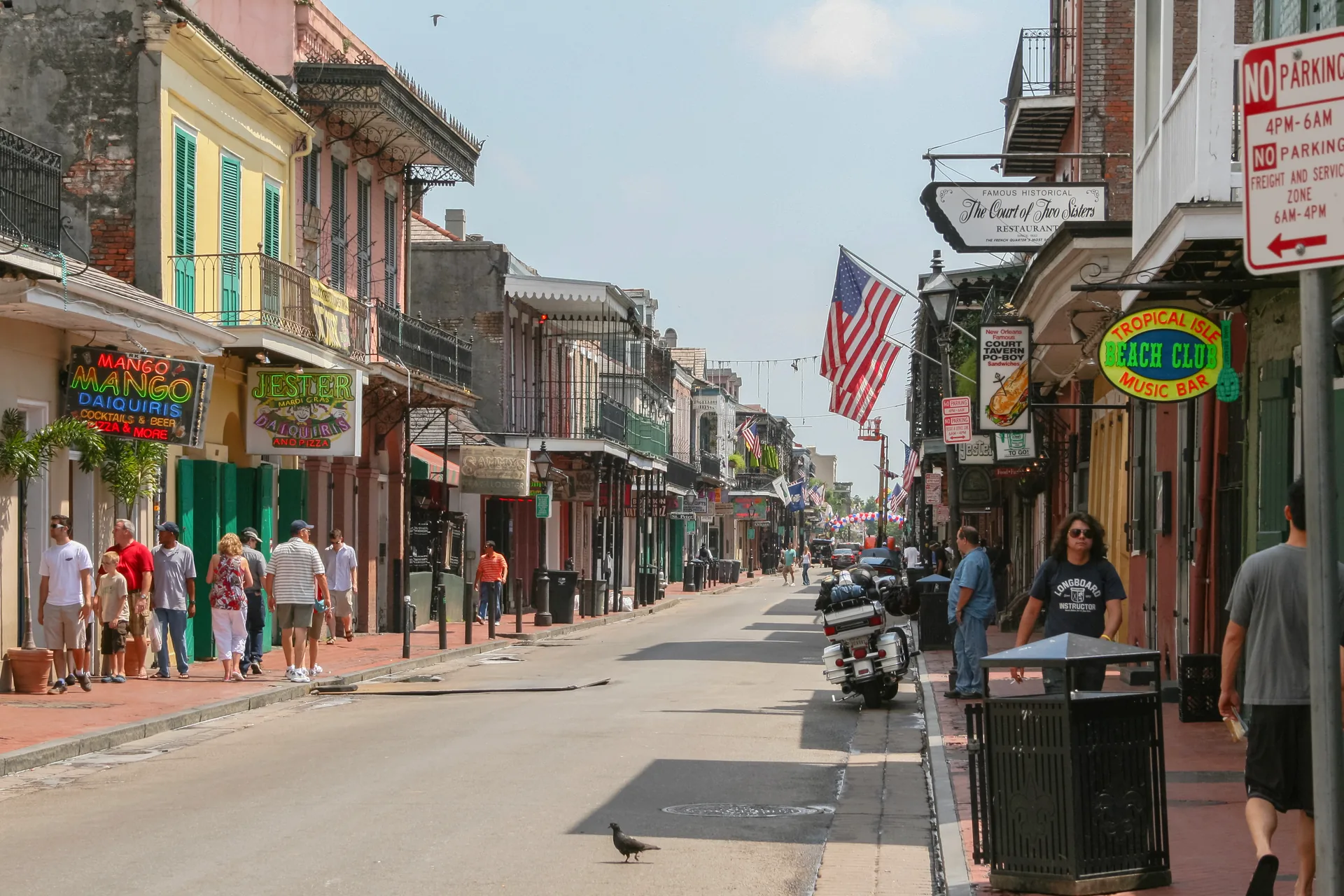
Frenchmen Street offers a live-music evening beyond Bourbon Street, with clubs in the Marigny just beyond the French Quarter. Leave room to linger rather than treating each venue as a stop to tick off. Creole cooking reflects the city’s mixed culinary heritage, while Cajun cooking has roots in Louisiana’s Acadian communities. Gumbo, a thick soup or stew, and jambalaya, a seasoned rice dish, give you useful starting points.

Infrogmation of New Orleans · CC BY-SA 4.0 · Edited
The Garden District changes the focus to historic houses, porches and gardens. View the houses from public pavements, respecting private entrances. Pair the outing with the St Charles streetcar for a day beyond the Quarter rather than making every experience a downtown one.
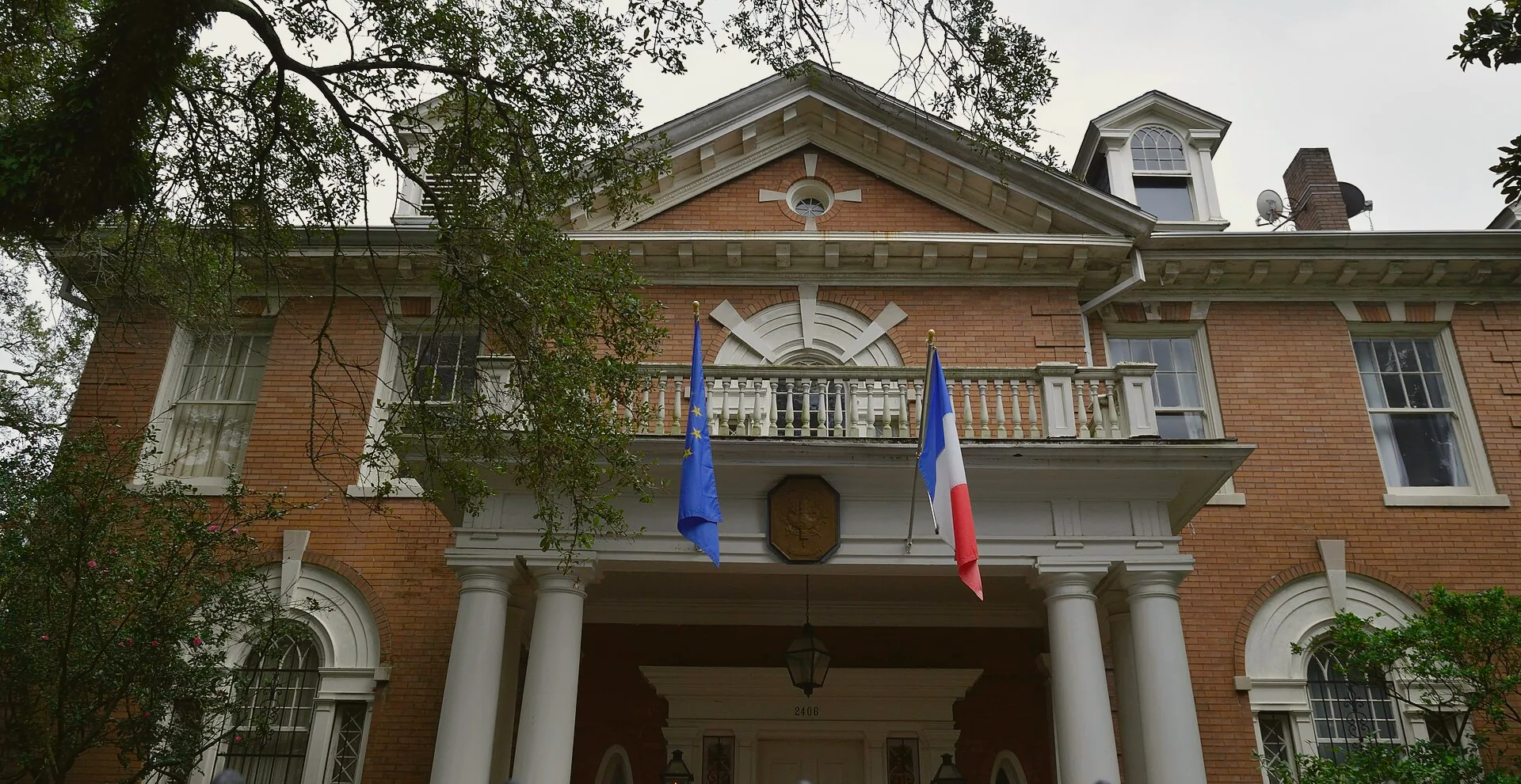
Daniel Hartwig · CC BY 2.0 · Edited
The Chicago Riverwalk gives you a low-level view of the city’s towers and bridges beside the river. Use it to look at how buildings meet the water, not simply as a route between attractions. Chicago’s architecture can anchor a day before an evening of theatre, jazz or blues.

Roman Boed from The Netherlands · CC BY 2.0 · Edited
Pilsen adds Mexican food culture and street art on the Lower West Side. Its murals make the streets part of the visit, rather than just the approach to a restaurant. Look beyond deep-dish pizza and Chicago-style hot dogs to explore more of the city’s local food.
- Italian beef: thinly sliced beef in a bread roll.
- Jibarito: a sandwich using fried plantain instead of bread.
- Chicken Vesuvio: chicken with potatoes, garlic and white wine.

Adam Jones, Ph.D · CC BY-SA 3.0 · Edited
New Orleans
Pros
- Music and food can shape an evening without a tightly scheduled programme.
- Historic residential streets add depth beyond the nightlife core.
Cons
- A Quarter-only visit gives you a narrow picture of the city.
- Music-led late evenings can make early starts less appealing.
Chicago
Pros
- Neighbourhood food and art give you reasons to venture beyond landmark sightseeing.
- Architecture connects a waterfront walk with a broader interest in the city.
Cons
- A short stay requires leaving appealing neighbourhoods out.
In either city, plan your return before the evening begins. Keep valuables discreet, favour well-used streets and use a taxi when the onward walk feels isolated or you are tired. Leave evenings flexible, but not the question of how you will get back.
Where to stay and what affects the budget
Stay in the French Quarter for walkable evenings, but choose away from nightlife if sleep matters. This historic district sits beside the Mississippi, with the Central Business District immediately upriver beyond Canal Street. The latter offers a more business-like base, although rooms near bars can still be noisy. Frenchmen Street is roughly 10–20 minutes away on foot along public streets, depending on where you start in the Quarter. The St Charles streetcar connects the Central Business District with the Garden District.
Chicago’s Loop lies south of the main river, with River North across it to the north. Choose the Loop for daytime sightseeing or River North for more evening restaurant activity. The Loop can feel quieter after offices empty. You can walk from it to the Riverwalk through downtown streets and bridge approaches, and the Pink Line connects it with Pilsen.
Compare rooms on the same tax-inclusive basis, allowing for event demand and the premium for a convenient location. A cheaper room that adds daily travel may not save much.
- Casual meal in either city: roughly $15–$25 per person.
- More elaborate dinner in either city: roughly $35–$60 per person.
- Coffee in either city: roughly $3–$6 per cup.
Meal estimates exclude alcohol, sales tax and tips, which increase the bill. Table service and more ambitious menus push spending towards the upper end.
Airports and getting around
Louis Armstrong New Orleans International Airport (MSY) is the practical gateway for a short New Orleans visit. Gulfport–Biloxi International Airport and Baton Rouge Metropolitan Airport also have scheduled flights, but their greater distance makes them poor substitutes for a brief city break. The RTA Airport Express bus serves downtown New Orleans, including stops at Elk Place at Cleveland and the Union Passenger Terminal. Its road-based journey makes traffic relevant to your arrival.
Chicago O’Hare International Airport (ORD) is the larger hub, while Chicago Midway International Airport (MDW) is closer to downtown. Both offer direct urban rail to central Chicago, making either useful when you want to arrive without a car or taxi.
- O’Hare to downtown
- Blue Line, normally 40–45 minutes
- Midway to the Loop
- Orange Line, normally 20–25 minutes
- New Orleans RTA bus and streetcar
- $1.25 per adult single ride, with a two-hour transfer
Midway’s station connects to the terminal by an enclosed walkway, so allow for that walk when travelling with luggage. Choose between Chicago’s airports using the flight and the location of your room, not just the train journey. Airport-to-room travel also includes reaching the station and the final walk from downtown.
Within New Orleans, walking suits the central core, streetcars serve selected corridors and buses broaden your reach. Chicago’s urban rail makes a wider spread of neighbourhood outings realistic, with walking completing the last part. Avoid hiring a car solely for these central city breaks. A taxi can be a useful late-night fallback when a connection is awkward or you prefer not to walk the final stretch.
Weather and busy periods
Winter favours New Orleans if you want to spend much of the day outside. Chicago’s colder days make museums, indoor architecture and warm-up stops important companions to riverfront walks.
- New Orleans winter daytime highs
- Typically about 62–65°F
- Chicago December daytime high
- Average about 31°F
- Chicago January daytime high
- Average about 32°F
- Chicago February daytime high
- Average about 36°F
In summer, New Orleans averages daytime highs around 90°F, reaching about 91°F in July and August. Humidity makes long walks demanding, so put neighbourhood outings earlier in the day and leave room for indoor breaks. Chicago’s summer highs average about 81–84°F, with July warmest. It is the stronger choice for extended riverfront time, although hot days still occur. These are seasonal patterns, not a forecast for your stay.
Mardi Gras sharply raises central New Orleans room demand and prices, especially around the main parade days. Choose another period if the celebrations are not your reason for travelling. Chicago’s demand typically peaks from June through August, so its most comfortable outdoor season is not necessarily its cheapest.
Allow about three full sightseeing days for New Orleans and four for Chicago. Extra days let you venture beyond each city’s headline experiences without rushing evenings. If a longer holiday includes both, visit New Orleans first and Chicago second, giving Chicago’s more widely spread neighbourhoods extra time at the end.
Which city fits your trip?
- Choose New Orleans for concentrated live music and Creole food, especially if you want evenings to shape the visit rather than follow a fixed sightseeing schedule.
- Choose Chicago for architecture and neighbourhood variety, with the Riverwalk as a starting point and time for places such as Pilsen.
- For a first visit, choose by your main interest: New Orleans for music-led streets and historic houses, Chicago for towers, bridges and contrasting districts.
- With only a couple of full days, favour New Orleans if you are happy to focus on its core. Choose Chicago instead if architecture is the clear purpose and you can leave other districts for another trip.
- For outdoor time, favour New Orleans in winter or Chicago in summer. Chicago in winter suits a more indoor-led break.
- Choose Chicago if direct airport rail is a priority, whether arriving at O’Hare or Midway.
- For lower ordinary room spending, lean towards New Orleans, but avoid Mardi Gras if event crowds and higher prices do not appeal. Chicago’s summer demand can also stretch the budget.
Let your main interest guide the choice, then choose dates and a central base that suit it.
Sources & fact-checking
Checks against the sources below cover: services and fares and charges.
- New Orleans Regional Transit Authority (RTA) — service
- Chicago Transit Authority — service
- Louis Armstrong New Orleans International Airport — service
- Rapid Transit Trains to Chicago Airports (O’Hare & Midway) – CTA
- Orange Line (Route info, alerts & schedules) – CTA
- New Orleans Regional Transit Authority — fares and charges