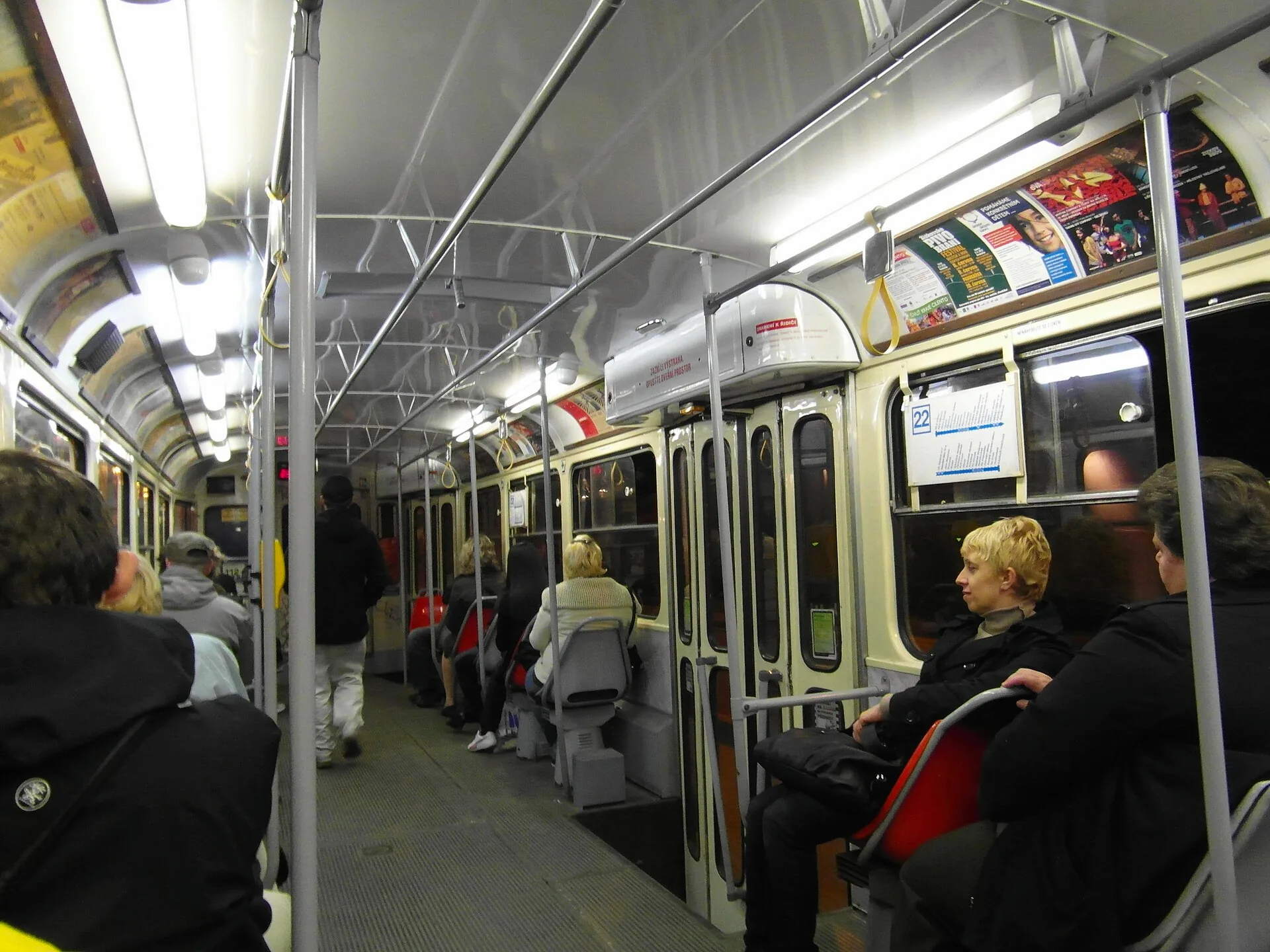
In Prague, greet unfamiliar staff politely, ask before taking a seat at an occupied table and follow the instructions of the setting you enter. Everyday etiquette is mostly about small courtesies: acknowledging people, giving them room and making requests without demanding attention. Public transport is different in one important respect: onboard food and drink restrictions are binding conditions, not just good manners.
Greetings in shops and shared spaces
- Greet unfamiliar staff with Dobrý den, meaning “Good day”.
- Make your request with prosím, meaning “please”.
- Thank the person with děkuji, meaning “thank you”.
- Say na shledanou, meaning “goodbye”, when leaving.
Ahoj means “hi” and suits friends, family and familiar peers, rather than being the default greeting for strangers. In a shop or a professional encounter, use the polite greeting above. Informal díky means “thanks”, while the more formal expression in the sequence is a straightforward choice with someone you do not know.
A brief greeting is customary when entering a small shop, stepping into a lift or arriving in a doctor’s waiting room. You need not start a conversation: acknowledge the people there, then carry on with your errand. A goodbye when leaving completes the exchange.
If the queue is unclear, ask where it starts before joining it. Leave enough room for others to pass, keep entrances clear and avoid crowding the person being served. A short question is more considerate than assuming an apparent gap is your place.
Restaurant seating, ordering and the bill
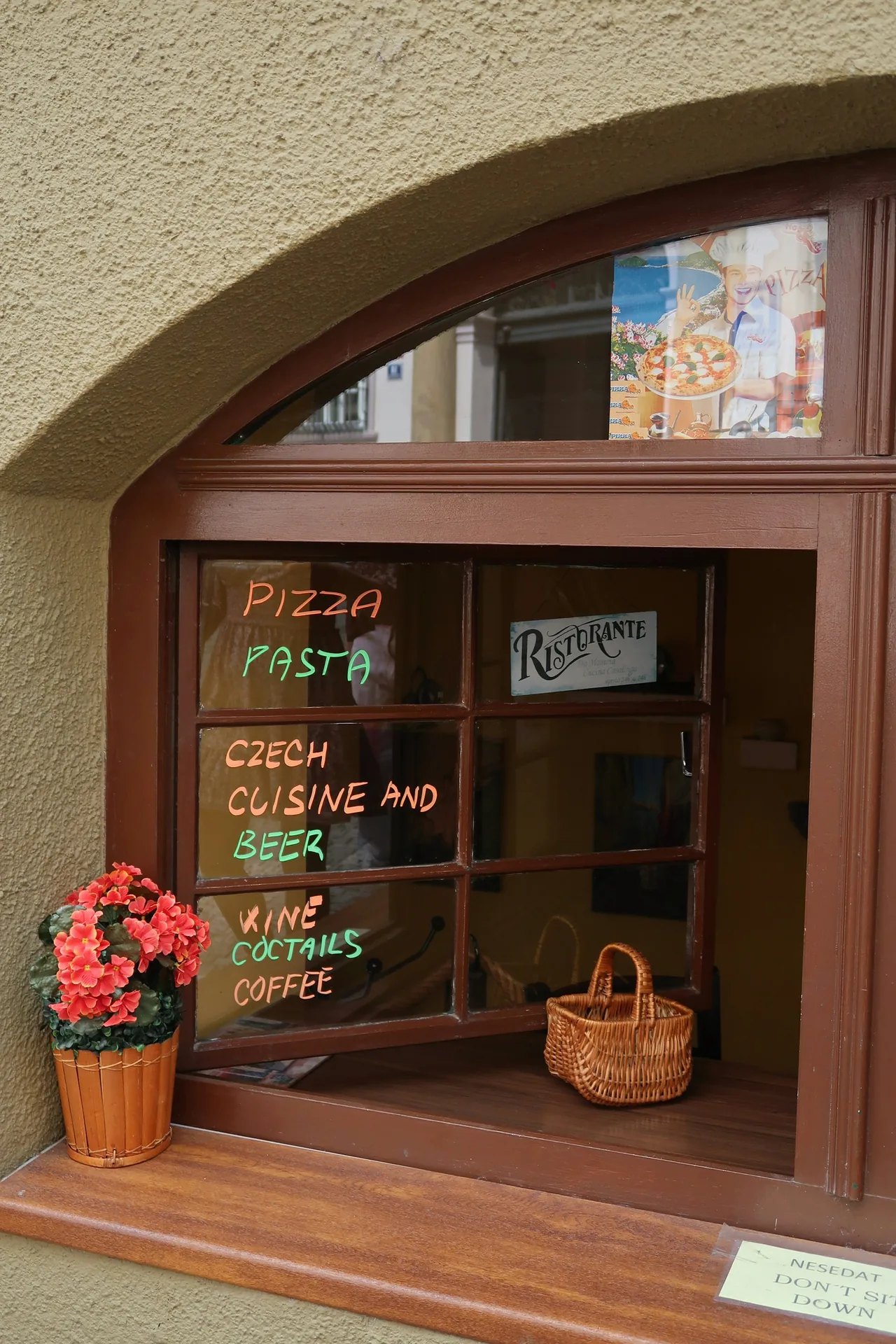
In a casual Prague pub, you can often find your own table, but in a hosted or more formal restaurant, wait to be seated. If you are dining alone or the arrangement is unclear, ask for a table rather than guessing which seats are available.
Do
- Follow the host’s lead where tables are assigned.
- Ask the occupants whether a place is free before joining a shared table.
- Catch the server’s eye and make a small, polite signal.
- Ask about separate bills when ordering.
Don’t
- Assume every empty table is available for self-seating.
- Take a spare chair at an occupied table without asking.
- Shout or snap your fingers for service.
- Assume each diner will automatically receive an individual bill.
For lunch, polední menu means “midday menu” and denní menu means “daily menu”. Many restaurants offer a cheaper weekday set lunch, often soup and a main course, from roughly 11:00–11:30 until 14:30–15:00. Some start earlier, run later or offer it daily. A set lunch is a useful option if you want a meal during the usual lunch-service window.
Aurora Song · Unsplash License · Edited
Dinner commonly begins around 18:00 and winds down around 21:00–22:00. For a full evening meal, arrive before 22:00: the kitchen may close before the restaurant. Tourist-area restaurants may serve continuously into the evening, while some pubs and late-night venues keep their kitchens open later. These are usual patterns, not identical hours across the city.
Once seated, give your order when the server comes over. If they are nearby and you need attention, Promiňte, prosím means “Excuse me, please”. In a larger restaurant, a raised hand may be easier to see than a small signal. When you have finished eating, place your knife and fork parallel on the plate, usually diagonally towards the four o’clock position.
Request the bill with Účet, prosím, meaning “The bill, please”. Some restaurants can itemise each person’s share, while others prefer one bill, so an early request gives you time to agree how to settle it. Read the itemised bill and politely ask about an unfamiliar item before paying. Tipping is voluntary, not an obligatory payment.
Trams, buses and the metro
On Prague public transport, let people get off before you board. Wait to the side so passengers leaving the vehicle have room to pass.
Do
- Offer your seat to older passengers, pregnant women and people with disabilities or reduced mobility, including someone injured or unwell.
- Keep calls quiet and use headphones for music or recorded speech.
- Keep doorways clear and leave space for passengers to get off.
Don’t
- Occupy a seat someone needs more than you do.
- Play music or speech through a phone’s loudspeaker or make disruptive calls.
- Stand across the doors when there is room further inside.
All PID bus and trolleybus stops are request stops, on urban and suburban services throughout Prague and the Central Bohemian Region. To board, stand visibly in the stop area where the driver can see you, but you do not need to wave.
To get off, press the STOP or door-opening button early enough for the driver to stop safely. Look for the buttons on handrails or beside the doors, rather than waiting until the vehicle reaches your stop to signal.
Dress and behaviour in working churches
In a working Prague church, cover your shoulders and knees and remove your hat indoors as a gesture of respect. This is general etiquette, not a citywide admission rule. Follow the church’s own posted visitor instructions where they set particular requirements.
A church in use for worship is not simply a sightseeing space. If a service is underway, wait until it has finished before looking around. Where visitors are permitted to remain, stay quiet and discreet rather than walking through the sightseeing areas. Waiting gives worshippers room to take part without people moving around them to inspect the building.
Visiting someone’s home
When entering a Czech home, generally expect to remove your outdoor shoes at the entrance. Ask your host where to leave them and your coat or bag, rather than carrying everything into the living space. This is a domestic custom, not a public regulation, and the household’s preference is what matters.
Your host may offer guest slippers, a common but not universal custom. Accept them if offered, or go in socks if that suits the household. If you are unsure what to do, a quick question at the door is enough.
A small host gift is an optional courtesy. A box of chocolates, a bottle of wine or flowers are straightforward choices. You do not need an elaborate present: the point is to thank someone for inviting you into their home.
Sources & fact-checking
Checks against the sources below cover: services.


