Turin gives you more than one way into Piedmontese food: a layered bicerin at a café, a cold veal starter at dinner, or foil-wrapped hazelnut chocolates for the journey home. Choose by the moment and your appetite, then look for the name on the menu or ask at the counter. Some traditional dishes contain meat, wheat, dairy or alcohol, so ingredients matter as much as the name.
Choosing Turin food and ordering it
| Speciality | What it is | When | Typical price |
|---|---|---|---|
| Bicerin | Layered coffee drink | Café break | €5–9 a glass |
| Tramezzino | Soft filled sandwich | Quick snack | €3–6 each |
| Grissini | Crisp breadsticks | With a meal | €3–6 a bakery bag |
| Vitello tonnato | Veal with tuna sauce | Starter | €12–18 a plate |
| Agnolotti del plin | Small filled pasta | Lunch or dinner | €14–22 a plate |
| Bagna càuda | Warm vegetable dip | Autumn or winter meal | €18–30 per person |
| Bonèt | Chocolate custard | Dessert | €6–9 a serving |
| Gianduiotto | Hazelnut chocolate | Sweet or gift | €7–12 per 100 g |
For a short café stop, try a tramezzino, and for a seated meal, choose agnolotti del plin if you eat meat. Counter service and simple neighbourhood restaurants tend to cost less than table service in central cafés or elaborate dining rooms. The one-day Turin itinerary helps you place a snack between sights and leave time for dinner.
For dietary choices, ask contiene carne, brodo di carne, glutine, latte o alcol? (does it contain meat, meat stock, gluten, milk or alcohol?). Pasta and bread contain wheat, and even vegetable dishes can contain anchovies. Ask specifically about rum in bonèt, and about the broth or filling in pasta rather than assuming a sauce tells the whole story.
Bicerin
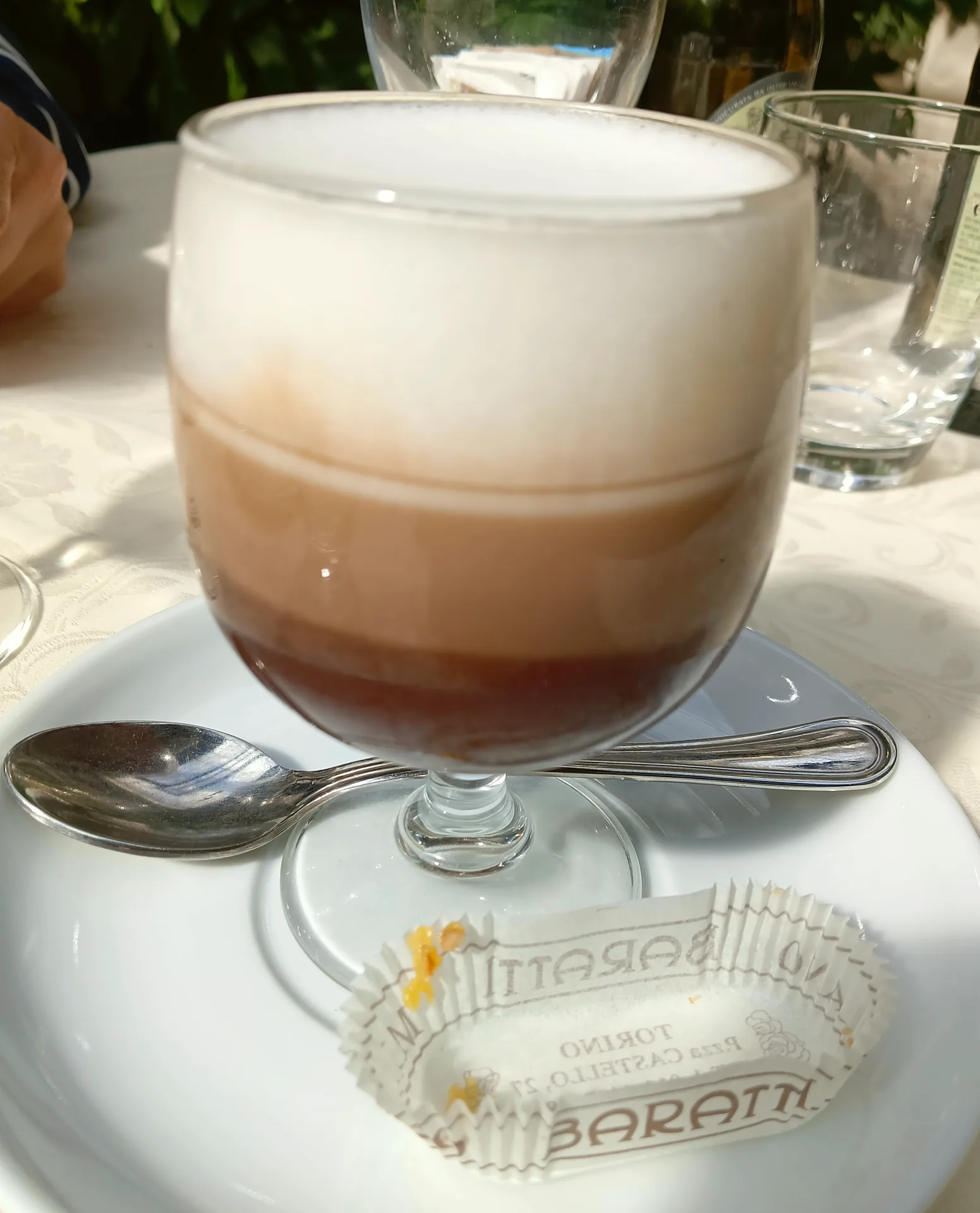
Bicerin brings espresso, drinking chocolate and cream together in a small, handleless glass. At a café, ask for un bicerin for a mid-morning or afternoon pause. Sip it without stirring: the contrasting layers meet as you drink, rather than becoming an ordinary mug of hot chocolate. You should be able to make out the layers when it arrives. The cream forms a distinct top above the darker coffee and chocolate.
Gartxoak · CC BY-SA 4.0 · Edited
This is a rich drink rather than a coffee you need to finish quickly. If you avoid dairy, ask about the cream and the chocolate preparation before ordering. Removing the cream changes the drink substantially.
Tramezzino
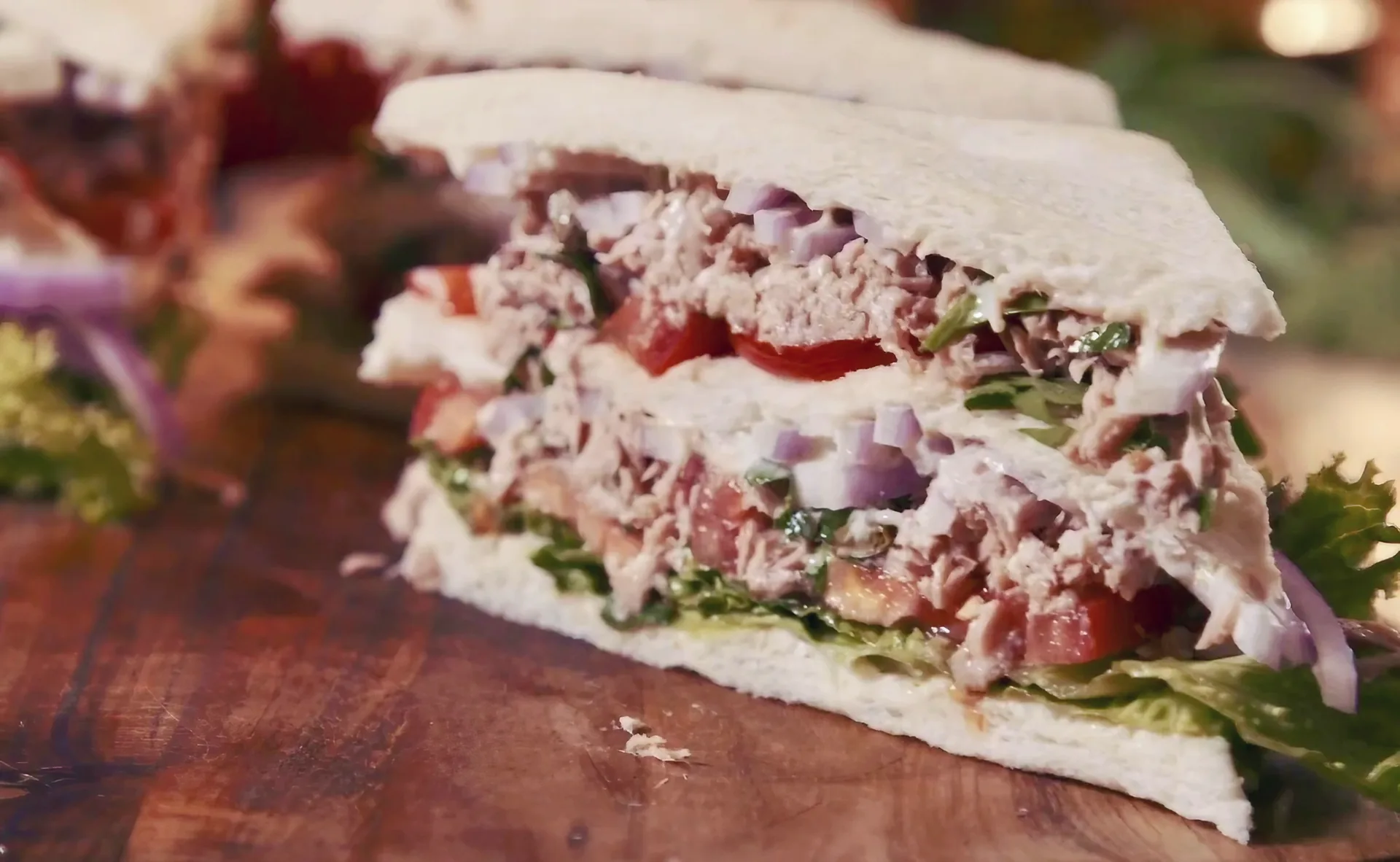
A tramezzino is a delicate cold sandwich: soft white bread without crusts, cut into triangles around a filling. At a café counter, point to a filling you like and ask for un tramezzino al tonno (with tuna), for example. Choose bread that is still soft and pliable, not dry at the exposed edge. The sandwich is a quick bite rather than a long seated lunch.
OH MY ITALY! by FOODBOOM · CC BY 3.0 · Edited
Caffè Mulassano in Turin is traditionally credited with creating the tramezzino in 1926, with Angela Demichelis Nebiolo linked to its development as an Italian answer to the English sandwich. You will also find tramezzini across Italy. The Turin connection is an origin story, not a restriction on where they are eaten.
Grissini
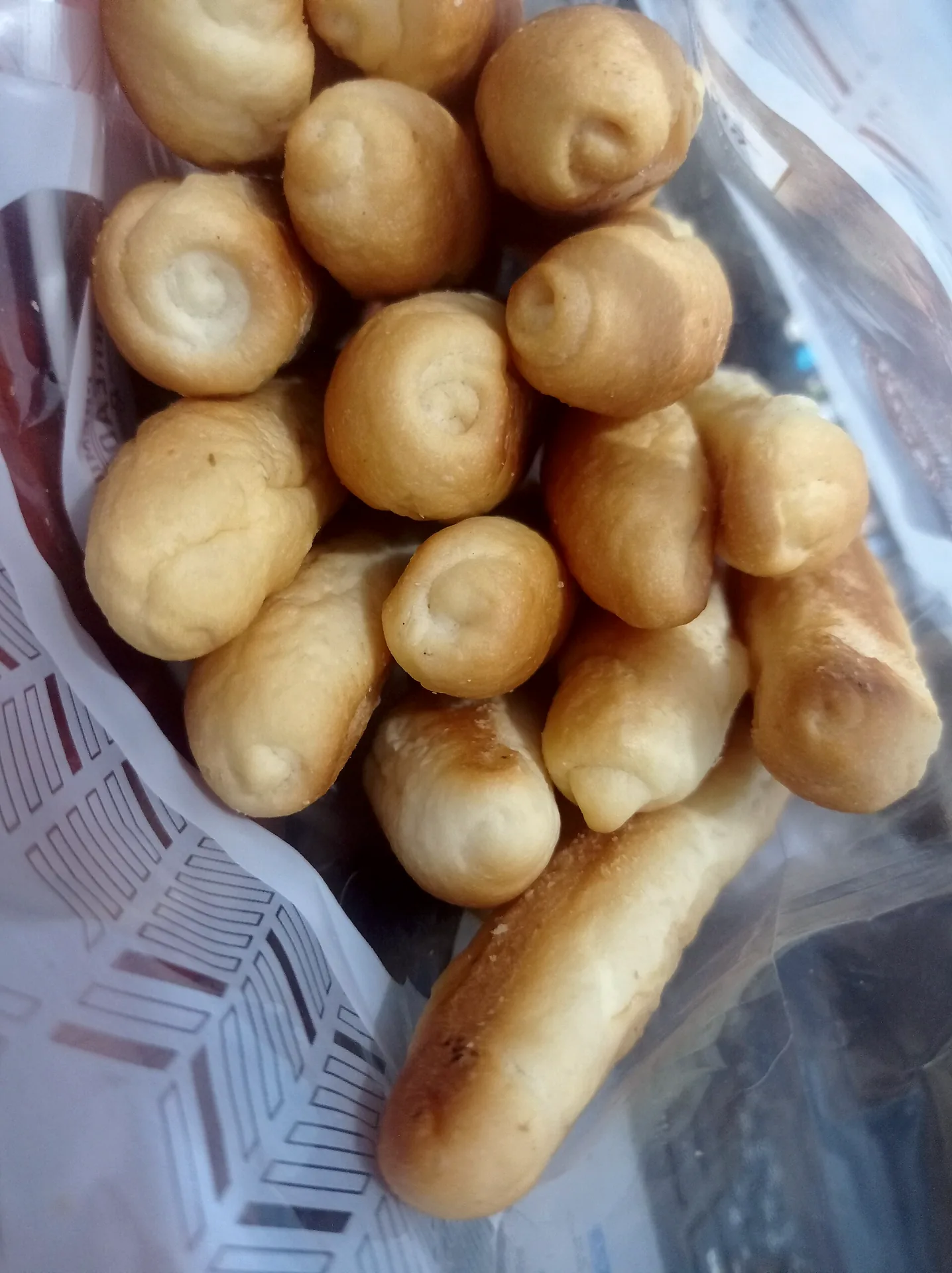
Grissini are long, thin breadsticks baked until golden and crisp. Flour, water, yeast, salt and usually olive oil go into the dough, which is risen and shaped before baking. At a bakery, ask for grissini to take away, or eat them alongside a restaurant meal. A good stick snaps cleanly, while one that bends or tastes stale has lost the quality that makes it worth nibbling. They accompany food rather than replacing a meal.
SarKaLay · CC0 · Edited
Their association with Turin has a much-told court story: a baker is said to have made them for the young Duke Vittorio Amedeo II in the late 17th century because ordinary bread troubled his digestion. Treat that account as tradition, while enjoying the form that survives.
Vitello tonnato
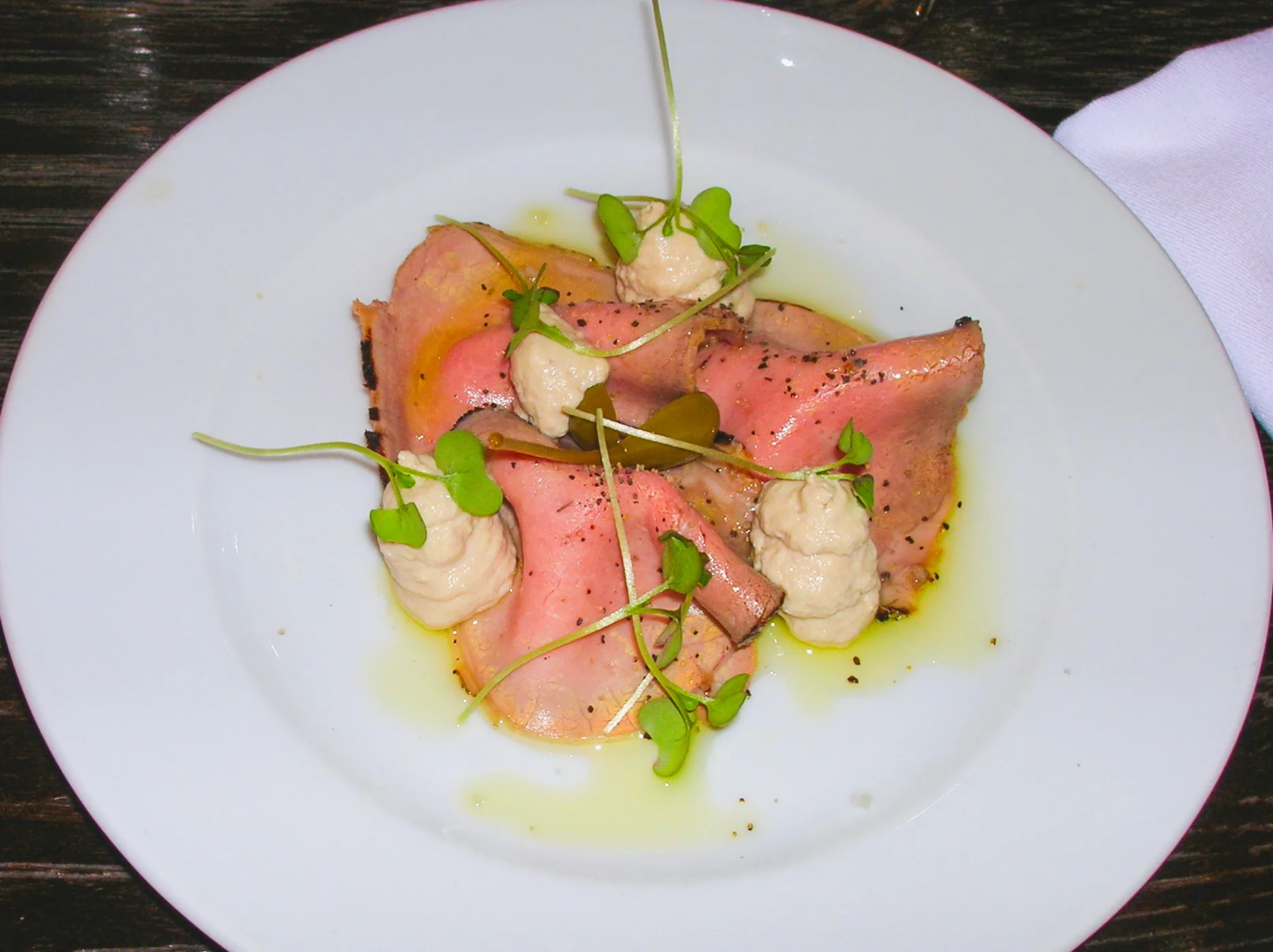
Vitello tonnato places thin, tender slices of cold veal beneath a creamy sauce of tuna and capers, sometimes finished with more capers. Order vitello tonnato from the antipasti (starters) at a traditional Piedmontese restaurant, before a pasta course or on its own for a lighter seated meal. Look for veal you can distinguish beneath the sauce, rather than a dense coating concealing the slices.
Tzahy Lerner · CC BY-SA 4.0 · Edited
Its temperature is part of the dish: this is not a hot roast with fish on the side. Both the veal and the tuna matter, so it does not suit anyone avoiding meat or fish. If you need to avoid eggs, ask about the sauce too, since recipes vary.
Agnolotti del plin
Agnolotti del plin are small, usually square parcels of thin pasta, sealed with a hand pinch along the seam. Plin means ‘pinch’ in Piedmontese. Traditional fillings mix roasted meats such as veal, pork and rabbit, sometimes with leafy greens and Parmesan. At a traditional restaurant, ask for agnolotti del plin among the primi (first courses), rather than ordering generic ravioli: the small pinched shape is the clue.
They may come with sugo d’arrosto (roast-meat drippings), butter and sage, or a light meat broth, and sometimes a meat ragù. A simple dressing lets the filling show through. If you avoid meat, ask about both the filling and any broth, because a butter dressing alone does not make the pasta vegetarian.
Bagna càuda
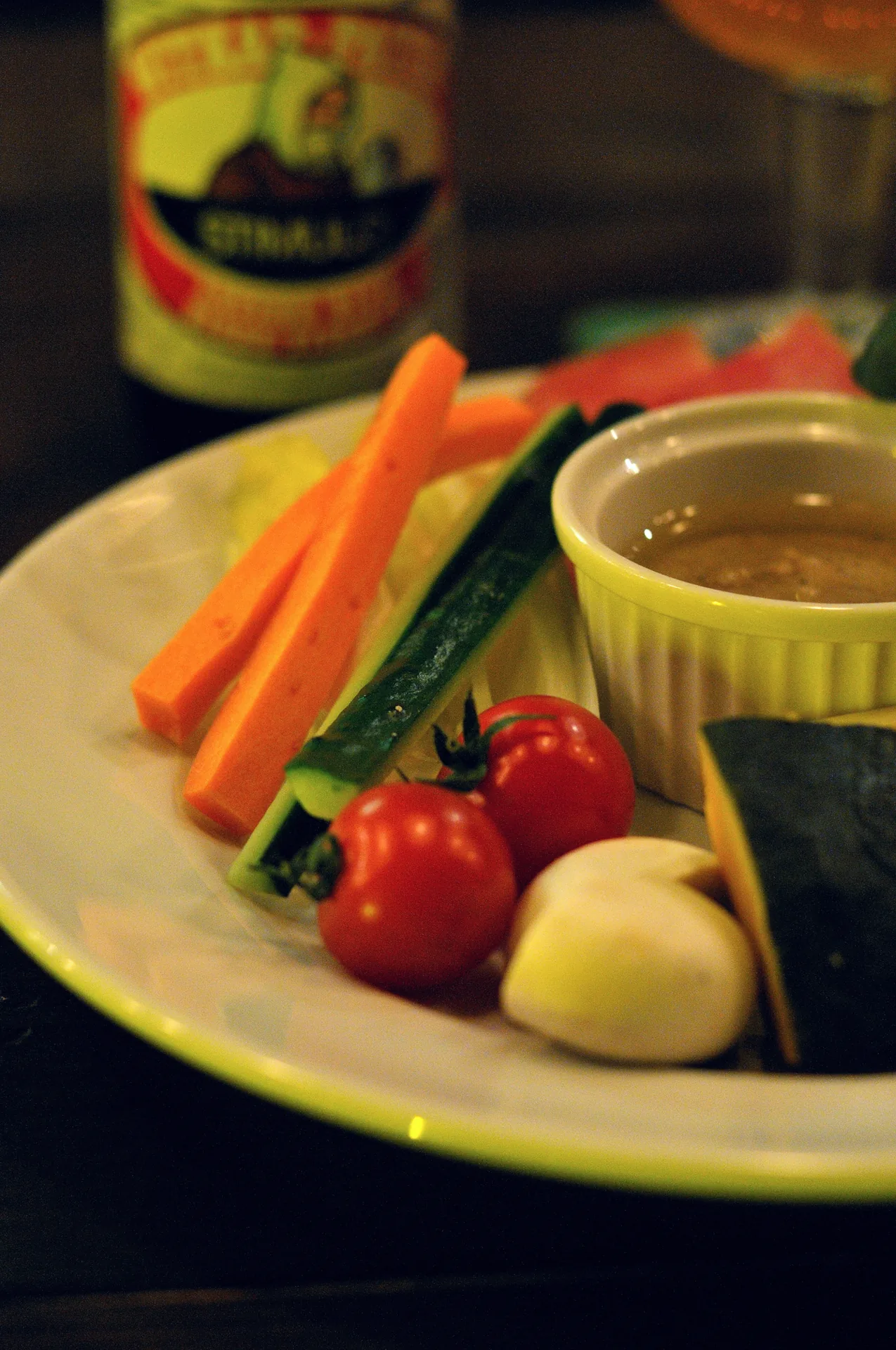
Bagna càuda is a warm dip of anchovies, garlic and olive oil for raw and cooked vegetables. Traditionally eaten in autumn and winter, it is a shared meal rather than a sauce to put on pasta. Order bagna càuda at a traditional restaurant when you want time to sit and dip vegetables together. Look for a warm pot with vegetables alongside, not a plate already dressed in sauce.
Masaaki Komori from Tokyo, JAPAN · CC BY-SA 2.0 · Edited
The traditional serving vessel is a dian (shared terracotta pot), kept warm over a small flame while diners dip with long forks. Expect a pronounced anchovy and garlic flavour, while vegetables provide the contrast. Though much of the plate is vegetable, the anchovies make the traditional dip unsuitable for vegetarians.
Bonèt
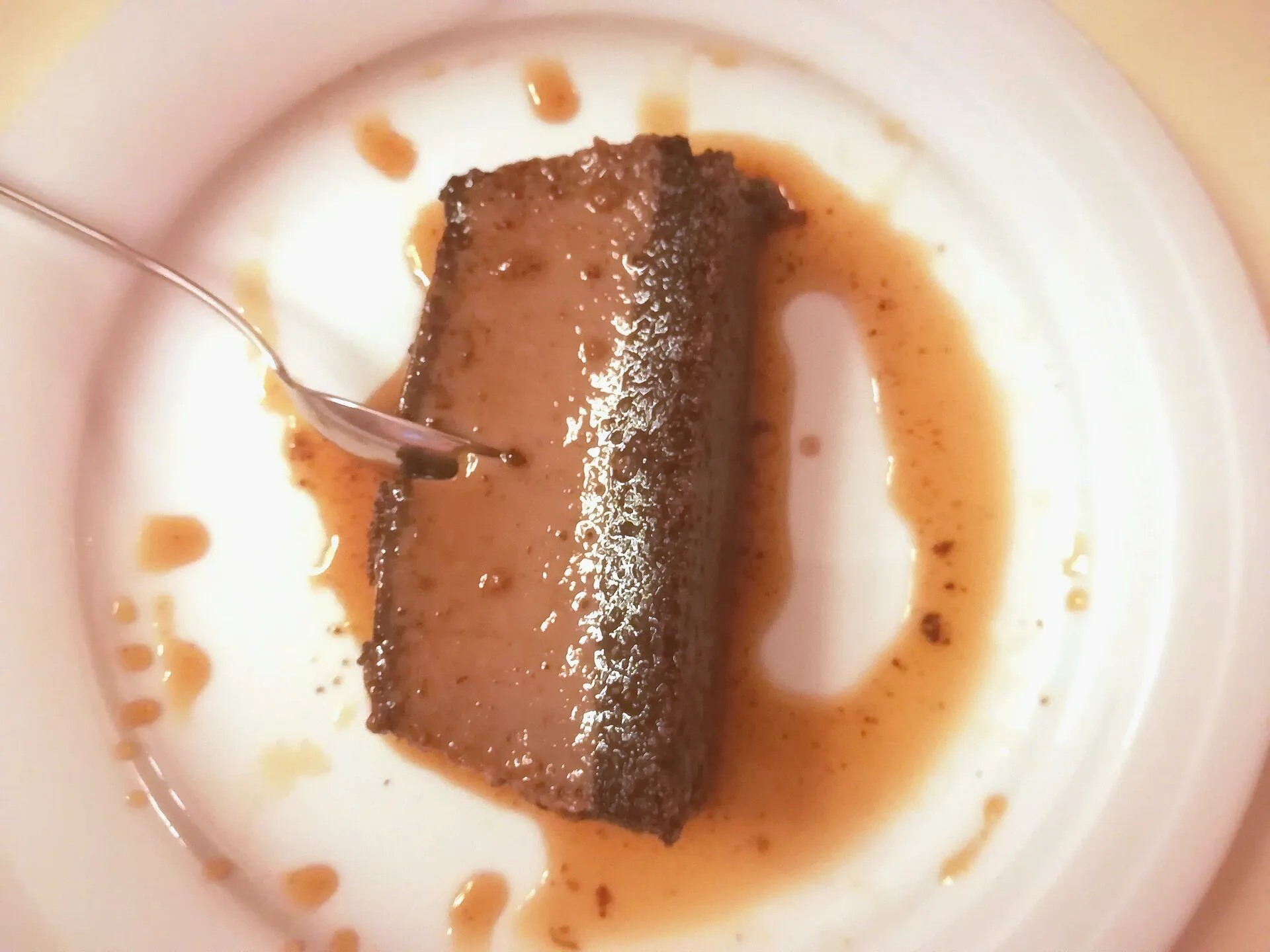
Bonèt is a chilled Piedmontese set custard made with eggs, milk, sugar, cocoa and amaretti biscuits, traditionally flavoured with rum and topped with caramel. Ask for bonèt from the dessert menu at a restaurant after a savoury course. It should hold its shape while remaining soft to the spoon, with the amaretti contributing flavour rather than making it a dry cake.
Popo le Chien · CC BY-SA 4.0 · Edited
It can arrive with a little caramel sauce and amaretti crumbs or whole biscuits. If you avoid alcohol, ask whether this kitchen uses rum. For dairy, eggs or gluten, ask about the custard and biscuits rather than judging from its chocolate appearance.
Gianduiotto
A gianduiotto is a small, foil-wrapped chocolate shaped like a curved, boat-like ingot with a triangular cross-section. Its smooth gianduja is chocolate blended with finely ground hazelnuts and sugar, traditionally using Piedmont hazelnuts. For a sweet to eat later or bring home from Turin, ask a chocolatier or pastry shop for gianduiotti, the plural. Choose one with a clear hazelnut flavour and a smooth, yielding texture, rather than one that tastes mainly of sugar.
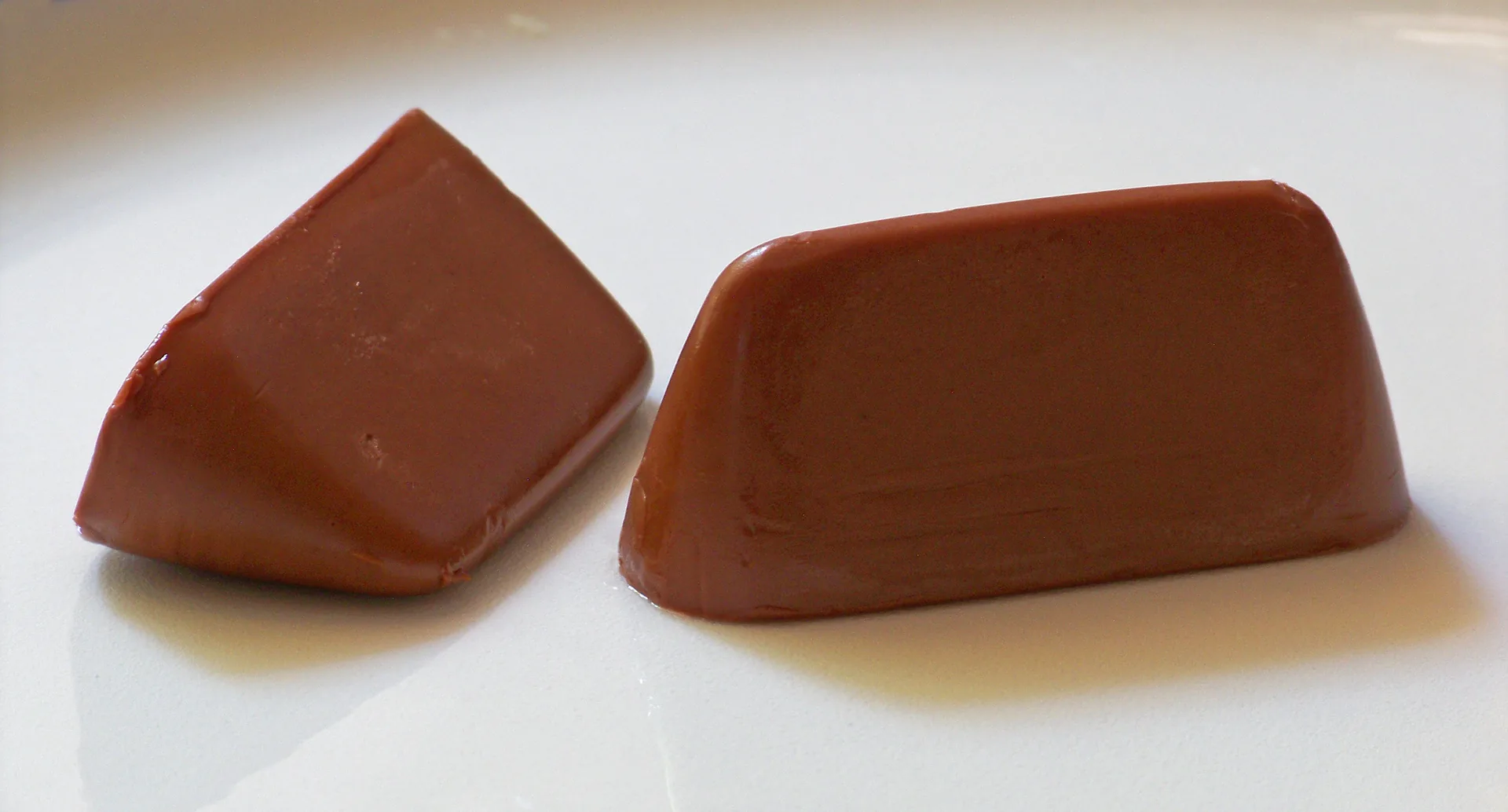
Clop · Public domain · Edited
The Turin origin is traditionally placed in the 19th century, when chocolate makers used local hazelnuts alongside cocoa. Michele Prochet and Caffarel are associated with the foil-wrapped form. The story of a cocoa shortage during Napoleon’s blockade is part of that traditional account. Keep your purchase away from heat during the journey, especially if you will carry it for several hours.