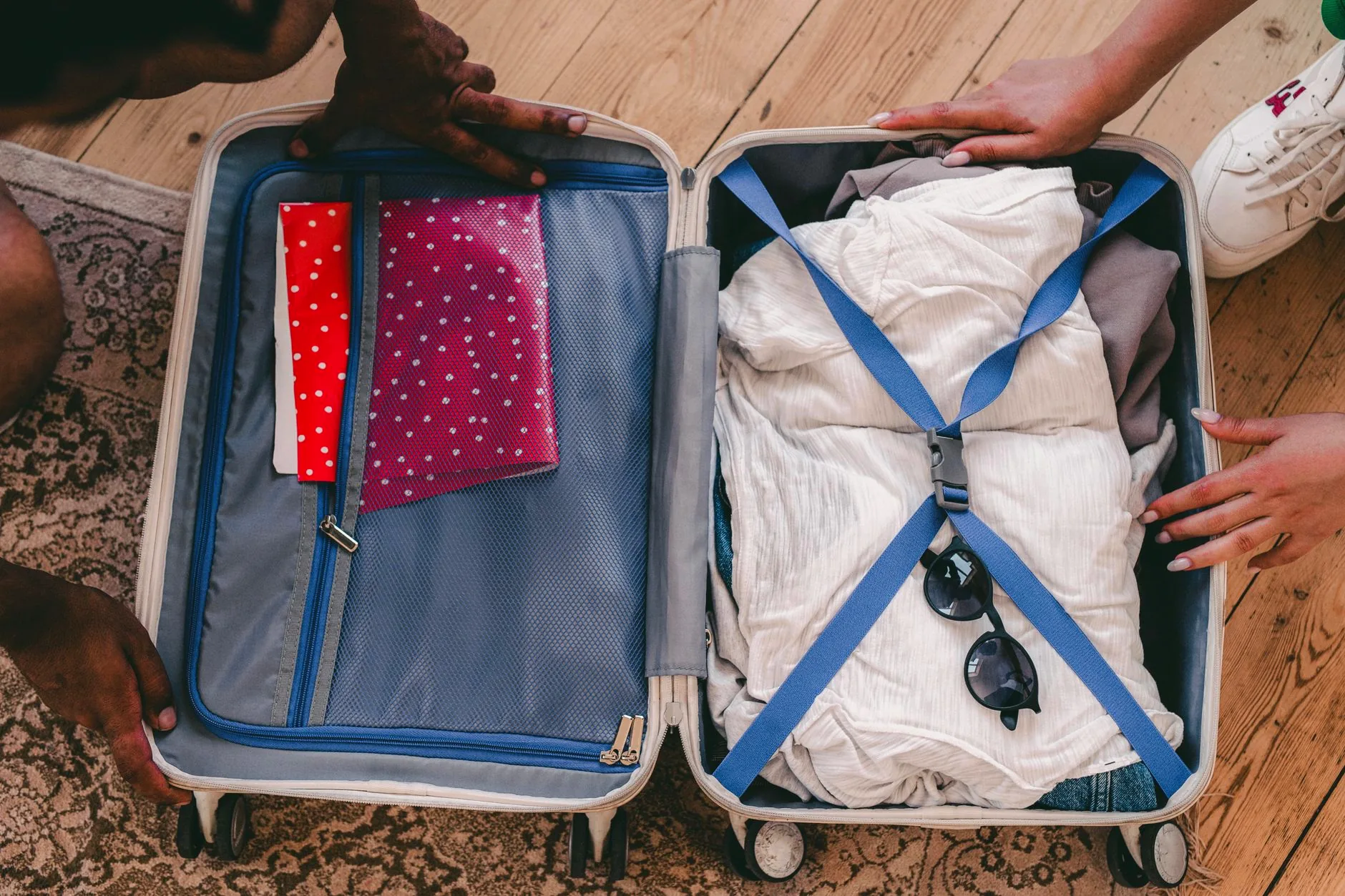
Pack a small wardrobe of everyday clothes that combine, broken-in walking shoes and a compact sightseeing bag for Nashville. Adjust your layers to the season, and add evening or outdoor items only for activities you plan to do. If you are visiting Ryman Auditorium or the Grand Ole Opry House, keep your show essentials separate from your city-day equipment: a useful sightseeing bag is not automatically suitable for entry.
Build your packing list
- Start with your travel dates and outdoor plans. Choose breathable clothes for warmer weather and layers that work together for colder days.
- Build interchangeable outfits. Comfortable tops with trousers, jeans, shorts or skirts suit ordinary sightseeing, according to the season and your preferences.
- Scale tops, underwear and socks to the stay and your laundry access. Reuse lower garments and outer layers when they remain clean.
- Choose familiar walking shoes first. Add another pair only if it serves your weather needs or planned evenings.
- Separate the city-day bag from show essentials. Add trail equipment or swimwear only for a planned trail walk or pool visit.
For a short stay, pack enough changes to avoid needing laundry. For a longer stay with laundry access, take a smaller rotation and wash it rather than adding a fresh outfit for every day. The essentials stay the same, but the quantities change.
Set aside one combination you would enjoy wearing in the evening. It can share pieces with your daytime wardrobe rather than becoming a separate set of clothes.
Clothes for each season
| Season | Average daytime highs | Average night-time lows | Clothes | Outerwear |
|---|---|---|---|---|
| Spring | March 61°F → April 71°F → May 79°F | March 39°F → April 48°F → May 57°F | Light tops; removable knitwear | Light jacket; rain shell |
| Summer | June 86°F; July 90°F; August 89°F | June 66°F; July 70°F; August 69°F | Breathable tops; shorts or light bottoms | Thin indoor layer; rain shell |
| Autumn | September 80°F → November 61°F | September 60°F → November 39°F | Early: light clothes; late: warmer layers | Early: light jacket; late: warmer coat |
| Winter | December 52.2°F; January 49.1°F; February 53.8°F | December 33.3°F; January 30.1°F; February 33.0°F | Warm tops; trousers; insulating layers | Warm coat; hat and gloves |
Spring needs layers you can take off as the day warms. A light top beneath knitwear and a jacket is more adaptable than a single heavy garment. The change across the season also matters: a March wardrobe needs more warmth than one chosen for late May.
Summer calls for loose, breathable fabrics, particularly when you will spend much of the day outdoors. A thin extra layer can be useful in air-conditioned interiors without taking up the space of a heavy jumper.
Early and late autumn need different wardrobes. Keep lighter pieces for September, but make room for warmer layers if you are travelling in November. In winter, January is the coldest month. Choose a coat that fits comfortably over your insulating layer rather than packing several competing jackets.
Rain falls throughout the year. Spring is generally wettest, with average monthly rainfall of 4.52–5.02 inches, compared with 3.79–4.36 inches in summer, 3.36–3.86 inches in autumn and 4.02–4.47 inches in winter. Keep compact rain protection in the packing list in every season. A packable shell leaves your hands free, while a small umbrella is an alternative for ordinary city outings.
Walking shoes and evening outfits
Wear comfortable shoes you have already broken in for downtown sightseeing. A day of walking followed by standing during music can be hard on your feet, and new shoes can cause blisters. Familiar trainers or supportive walking shoes are a better starting point than footwear chosen only for its appearance.

Daniel Reche · Pexels License · Edited
Cowboy boots are an optional style choice, not essential visitor attire. If you like wearing them and know they are comfortable, they can serve as your evening pair. If they are new or stiff, leave them out of a full day on foot. Choose any second pair for a specific use, such as wet-weather comfort or an evening outfit, rather than packing several alternatives.
Lower Broadway honky-tonks are generally casual, and jeans with a T-shirt are fine. Comfortable closed-toe shoes are a practical choice in crowded bars. You do not need a cowboy hat to fit the setting.
For an evening look, use a combination that suits your own style: a favourite shirt with trousers, a dress with comfortable shoes, or a daytime outfit with a different top. These are clothing choices, not admission rules. Ryman Auditorium and the Grand Ole Opry House have their own carry-in policies, which matter more to your show bag than local fashion does.
Your city-day bag
- Water in a reusable bottle for time outdoors.
- Sun protection, such as sunscreen, sunglasses and a hat, for exposed walks.
- A compact rain shell or small umbrella for city outings.
- A charged phone, charging cable and small power bank if you will be out for the day.
- Personal medication you need while away from your accommodation.
- Essential documents, including the identification and tickets needed for your planned activities.
Choose a bag that holds these essentials without becoming a load you dislike carrying. Use zipped compartments for valuables, and keep the bag with you in busy public places rather than leaving it on a neighbouring chair. Keep frequently used items accessible so you do not have to unpack everything to find your phone.
Before filling your reusable bottle at your accommodation, the advice on Nashville tap water covers drinking-water suitability and the supply and advisory conditions relevant to using it.
Add outdoor equipment only for a planned activity. For a trail walk beyond city pavements, choose footwear with suitable grip and bring the water, sun protection and outdoor supplies that walk requires. For a planned pool visit, add swimwear and a way to carry wet items.
Keep a smaller show bag available rather than treating the sightseeing bag as suitable everywhere. Before leaving for a performance, transfer only what you need for the evening and leave the rest at your accommodation.
Bags and clothes for the Ryman and Opry
| Venue | Oversized bags | Bottles and outside drinks | Clothing |
|---|---|---|---|
| Ryman Auditorium | Prohibited for entry | Concerts: no outside drinks, bottles or cans | No published dress code |
| Grand Ole Opry House | Prohibited except when medically necessary | Always: no bottles, cans or outside drinks (including water) | No formal dress code |
Ryman Auditorium screens all guests on entry, and all bags are subject to search. Concert guests pass through walk-through weapons detection. Keep your small bag organised so its contents are easy to access during screening.

Warren LeMay from Chicago, IL, United States · CC BY-SA 2.0 · Edited
The Grand Ole Opry House bag policy covers shows, tours and private events inside the House, rather than outdoor plaza events. Other events in the House can have additional restrictions, so any event-specific provisions apply alongside the standard policy.
The Opry’s medical exception includes diaper bags and bags carrying diabetic supplies. All bags are subject to search. Leave large backpacks at your accommodation, because the Opry has no coat or personal-item check. Keep necessary medical supplies with you rather than removing them simply to make your bag smaller.
At either venue, management may deny items it considers a safety hazard or distraction. Keep your show essentials together so you can leave unsuitable items behind before setting off.
- Choose your evening outfit from the clothes already packed.
- Transfer your ticket, identification, payment method, phone and necessary medication into your smaller bag.
- Leave unsuitable sightseeing equipment at your accommodation before travelling to the venue.
What to leave at home
Keep what earns its place in your luggage
Do
- Reuse clothes in different combinations, with a fresh top when needed.
- Choose outer layers that fit together and serve different weather needs.
- Take familiar shoes that suit the walking you plan.
- Use laundry where available to reduce quantities.
- Pack equipment for activities you actually intend to do.
Don’t
- Pack a separate single-use outfit for every outing.
- Bring several jackets that do the same job.
- Rely on untested shoes for long city days.
- Add clothing for every day of a long stay when you will wash it.
- Pack trail or pool gear for activities you have not planned.
Keep optional style items only if you expect to wear them. A hat, boots or dressier outfit can be enjoyable without being essential. Try the combinations together before packing, including the shoes, so an optional piece does not require several extra items to make it work.
Finish by matching the contents of your luggage to your travel dates, personal needs and planned activities. Keep essential medication and the clothes that make you comfortable, and remove duplicates rather than necessities. Leave the smaller show-ready bag easy to reach so you can separate evening essentials without unpacking the whole suitcase.
Sources & fact-checking
Checks against the sources below cover: services and key figures.