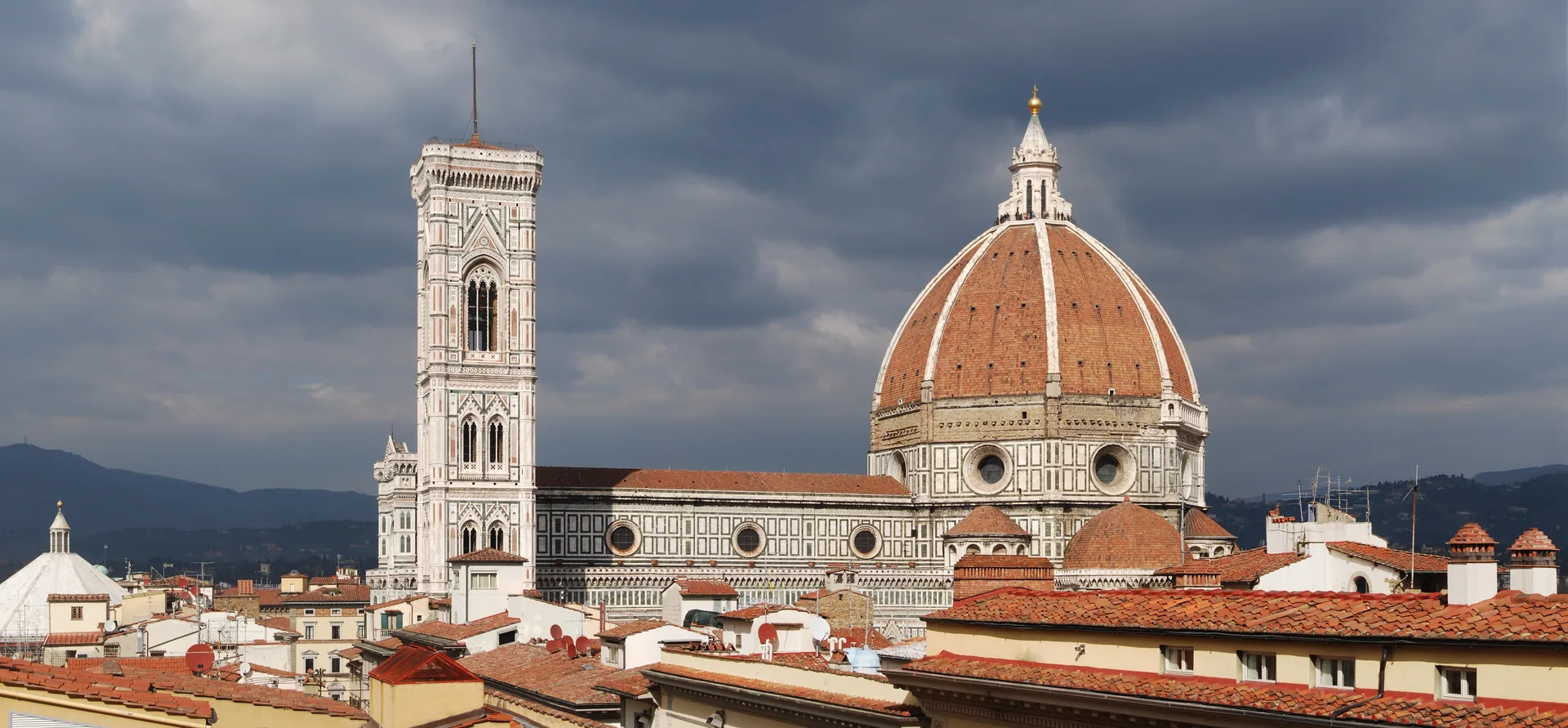
The best time to visit Florence is mid-September to October. You get weather that is generally comfortable for walking, a city less pressured than at the height of summer, and accommodation prices that usually ease from their high-season level. October is the stronger month for crowd control and touring comfort, but it also brings more rainy days, so keep an indoor alternative ready.
Choose this window if you are visiting Florence for museums, historic streets, viewpoints and a possible day outside the city, and you want a balanced short break rather than one single seasonal advantage. Choose November to March when quiet streets and lower seasonal prices matter more than long, warm days. Choose July or August only when heat, long evenings and the full summer atmosphere are worth accepting queues, higher demand and a less comfortable walking day. Easter, public holidays and major recurring events can change the balance in any otherwise suitable month.
The best time to visit Florence is mid-September to October
For most first-time visitors, mid-September to October is the most usable answer to when to visit Florence. September still feels like summer, with lively cafés and long evenings, while October usually gives you cooler conditions for crossing the historic centre on foot. The main museums and landmarks remain busy, but pressure normally falls after the summer peak. Seasonal prices also tend to soften, although popular weekends can still cost more than a winter stay.
- Recommended window
- Mid-September to October
- Weather
- Generally comfortable for walking, with October wetter
- Crowds
- Below the summer peak, but headline sights remain busy
- Seasonal prices
- Usually easing from high-season levels; above winter lows
This is the best fit for a short-break planner who wants to combine timed museum visits with outdoor wandering, gardens, viewpoints and a flexible excursion. Protect your main indoor sight first, then use the cooler parts of the day for streets and squares. A realistic one-day Florence itinerary is easier to pace in this window than in July, when heat and queues consume the same hours. For two nights or more, a two-day Florence itinerary lets you separate the busiest museums from longer walks and leave one day flexible for rain.
The trade-off is clear. October improves comfort and usually reduces crowd pressure, but rain becomes more relevant; September offers warmer evenings and a livelier city, but can still feel busy and expensive. Choose November to March if quiet museums, shorter queues and lower seasonal prices are your priority, accepting cooler weather, shorter daylight and a wetter walking plan. Choose July or August if warmth and summer atmosphere matter most, not if you dislike heat, queueing or rigid reservations. Avoid judging April and May only by their pleasant weather: Easter and the spring peak can make their sights and accommodation noticeably more pressured.
Every month changes what you can do in the city
Florence changes by month in ways that affect the visit, not just the thermometer. The comparison uses long-term climate normals for the Florence and Peretola area. July is usually the driest month; October and November form the wettest stretch for a walking trip. Use those averages to decide how much flexibility your outdoor plans need, not to predict conditions on your dates.
| Month | Mean temperature | Precipitation | Rainy days | What the month allows | Crowds | Seasonal price direction |
|---|---|---|---|---|---|---|
| January | 6.7-6.8°C | 56-64 mm | 6-8 | Quiet walks on clear days; museums and day trips work better than terraces | Low | Winter low |
| February | 7.8-8.0°C | 58-64 mm | 6-7 | Calm centre; brighter walks possible, but outdoor settings remain limited | Low | Low |
| March | 10.6-10.8°C | 61-64 mm | 7-8 | Longer walks and day trips; some terraces reopen, with cool spells | Low-moderate | Rising |
| April | 13.8-13.9°C | 66-68 mm | 8-9 | Gardens, terraces and excursions become reliable options; Easter brings pressure | Moderate-high | Rising |
| May | 18.3-18.4°C | 64-65 mm | 7-8 | Strong month for outdoor sightseeing, terraces and day trips | High | High |
| June | 22.8°C | 46-53 mm | 5-6 | Bright walks and excursions; midday heat starts to shape the route | High-very high | High season |
| July | 25.6°C | 26-37 mm | 3-4 | Early or late sightseeing, active terraces; midday walks are tiring | Very high | High season |
| August | 25.5-25.6°C | 34-52 mm | 4-5 | Early or late outdoor plans; local streets may quieten, headline sights do not | High; very high sights | High, softer around Ferragosto |
| September | 21.1°C | 66-74 mm | 6-7 | Warm evenings, terraces, walks and day trips, with renewed city energy | High-very high | High, easing late |
| October | 16.1-16.2°C | 91-104 mm | 8-9 | Comfortable touring and excursions; shorter days and rain need flexibility | Moderate-high | Declining |
| November | 11.0-11.1°C | 113-114 mm | 9-10 | Museums and clear-weather walks; terraces become occasional | Low-moderate | Low season |
| December | 7.2°C | 78-81 mm | 7-9 | Festive centre and museums; short days limit long outdoor plans | Low-moderate; holiday spikes | Low early, higher at Christmas/New Year |
January is quiet and cool: clear days suit uncrowded streets and day trips, but terraces are dormant and short daylight limits long routes. February stays low season, with a calm centre and manageable museums; brighter days improve walking, while outdoor viewpoints and terraces remain limited. March is a good shoulder-season choice for lighter pressure, longer walks and excursions, but rain, cool spells and an incomplete terrace season need flexibility.
April is a good choice for gardens, walks and day trips, and terraces become usable, but Easter and spring holidays bring heavier queues and firmer demand. May is excellent for outdoor sightseeing and café time, though high crowds slow late-morning museum visits. June supports walks, terraces and excursions, including a Pisa day trip from Florence, but midday heat and very high demand reward early starts.
July is hot and very busy, so walk early or late; terraces are active, but headline sights absorb much of the day. August keeps the heat and busy principal sights even when resident absences quieten some local streets, and Ferragosto can reduce availability. September brings warm evenings, terraces and strong excursion weather, but visitor pressure returns. October is often the best touring month: queues ease from summer levels, yet shorter days and more rain require flexibility.
November is the practical rainy-season peak: museums, flexible walks and clear-weather day trips beat fixed countryside plans, while the centre is quieter. December’s short, cool days limit long outdoor itineraries, but festive lighting livens the centre and holiday weekends raise demand. Favour June to September for the driest walking odds, especially July; favour October for the better overall balance.
Summer works only with an early, flexible plan
Summer is workable in Florence only if you move the day around heat and demand. July and August are hottest from late morning through mid-afternoon, with the strongest discomfort usually between 12:00 and 17:00. The Uffizi, Accademia, Duomo complex and the principal historic-centre streets commonly fill from about 10:00 to 13:00 and again in mid-afternoon. Friday to Sunday is the recurring busy stretch, with Saturday often the hardest. Outdoor queues have little shade, and even a short crossing can feel slow.
Start open-air sightseeing around 07:30-08:00 and put your most important timed museum or monument entry first. Reserve those visits well ahead, then plan one major indoor sight per half-day rather than stacking queues. Use Oltrarno, Santo Spirito, the Arno embankments and the Cascine for less compressed walks; San Miniato al Monte is often calmer than Piazzale Michelangelo. Keep lunch, shade and a slower route in the middle of the day, then return outdoors after 17:00-18:00. Summer is the wrong choice if you dislike heat, have limited mobility, need an unhurried museum visit or cannot secure timed entry.
Make a summer visit workable
Do
- Start walks and open-air sights early
- Book the key timed entry before building the day around it
- Keep one major indoor sight per half-day
- Use Oltrarno, the Cascine or San Miniato for breathing space
Don’t
- Schedule the Duomo and Uffizi corridor at midday
- Treat Saturday like a quiet museum day
- Stack several headline sights without a shaded break
- Choose July or August when heat and queues are deal-breakers
Recurring events can reward or disrupt a visit
Recurring celebrations add atmosphere but concentrate people and movement in the centre. Plan around processions rather than assuming a normal sightseeing day: routes, closures and public-transport changes vary by edition. Christmas-to-Epiphany also matters because civic-museum access is reduced on the main holidays.
- 6 January, Cavalcata dei Magi: a large procession reaches Piazza Duomo, concentrating visitors and restricting movement in the historic centre.
- Easter Sunday, Scoppio del Carro: the Brindellone procession and ceremony make the centre rewarding for event-goers but disruptive for a tightly timed museum plan.
- 24 June, San Giovanni: processions, celebrations and the Calcio Storico final increase central crowds and can affect routes.
- 1 June-30 September, Estate Fiorentina: four months of performances and festivals animate streets and squares, so event atmosphere may outweigh extra evening demand.
- 7 September, Rificolona, and 30 November, Festa della Toscana: evening or institutional processions create localised crowd and route changes.
- Christmas-to-Epiphany access pattern: on 25 December, civic museums are closed except for reduced Santa Maria Novella access; on 1 January, only Santa Maria Novella and Palazzo Vecchio are listed among the main open exceptions; on 6 January, Santa Maria Novella remains reduced while selected museums reopen, with some smaller civic museums closed on 6-7 January. Treat these holidays as limited-access sightseeing days.
Sources for the figures in this guide