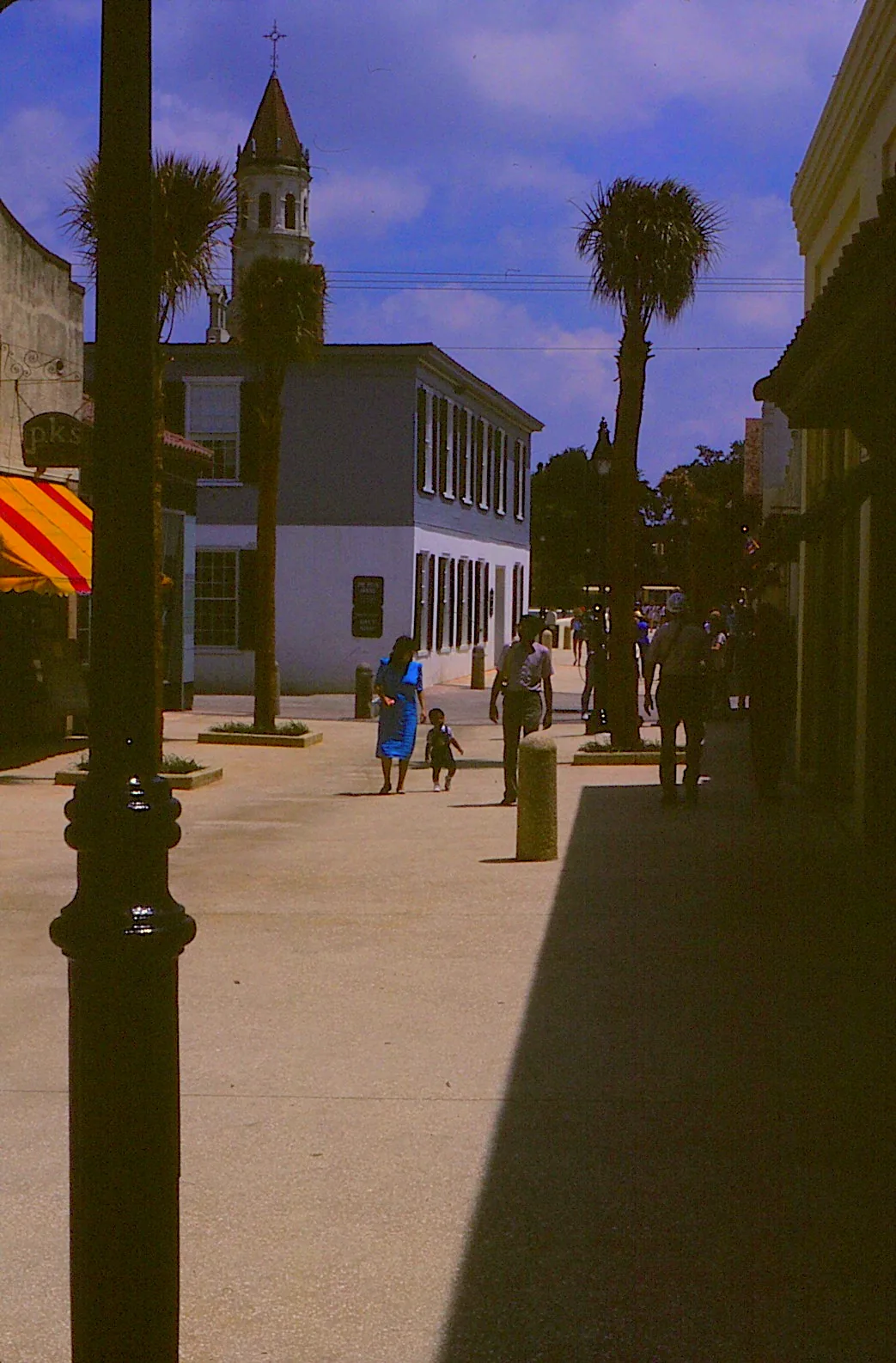
April outside the Easter holiday peak is the best choice for sightseeing in St Augustine. It offers a gentler balance of walking weather and coastal warmth than summer, without the festive demand of Nights of Lights. Choose May if swimming matters more, or October to early November for a quieter autumn stay with some storm risk.
Best months for sightseeing and the beach
- Sightseeing choice
- April outside the Easter holiday peak
- Beach-and-sights choice
- May
- Autumn alternative
- October to early November
- Quieter winter choice
- February
- Hottest air temperatures
- July
- Coldest air temperatures
- January
- Wettest months
- August and September
- Higher visitor demand
- March spring break, May and late-November–December festivities
Comfortable walking, warm water and low demand do not all coincide. A history-first visit rewards milder weather, while a beach-led stay benefits from warmer water later in spring. February offers quieter sightseeing, but it is a poor choice if swimming is the main reason for travelling.
Accommodation demand varies by lodging type. Spring break puts pressure on hotels and short-term rentals, and May is also busy. Summer can be a peak for holiday rentals even when historic-centre sightseeing is less appealing. The lights season raises demand again, particularly on December weekends. September and October usually offer less pressure, and February is generally quieter than March.
For a standard double hotel room, allow roughly $140–$220 per night in quieter periods, $180–$300 during busier spring or summer stays, and $220–$380 or more on popular lights-season or holiday nights, before taxes. These are planning ranges, with central locations and weekends tending towards the upper end. Autumn’s lower room-price pressure comes with weather risk, so choose it for flexible sightseeing rather than a trip that depends entirely on beach days.
Monthly weather and crowd levels
| Month | Air high °F | Air low °F | Rain inches | Water °F | Crowds | Verdict and cause |
|---|---|---|---|---|---|---|
| January | 67.5 | 47.8 | 2.74 | 59.1 | Quieter after New Year* | Mixed: cool, lights demand |
| February | 69.7 | 50.2 | 2.69 | 59.6 | Generally quieter | Good: quieter sightseeing |
| March | 74.4 | 54.6 | 3.43 | 63.6 | Busy spring break | Mixed: mild, holiday crowds |
| April | 79.8 | 60.6 | 2.93 | 69.3 | Holiday-dependent | Good: mild outside Easter |
| May | 85.1 | 67.4 | 3.66 | 75.7 | Busier | Good: warmer swimming |
| June | 88.6 | 72.3 | 6.27 | 79.6 | Beach demand | Mixed: warm sea, storms |
| July | 91.0 | 73.8 | 4.88 | 80.9 | Beach demand | Mixed: sea appeal, heat |
| August | 89.9 | 74.2 | 7.18 | 81.7 | Easing late summer | Mixed: warm, very wet |
| September | 87.4 | 73.1 | 7.18 | 82.5 | Generally quieter | Avoid weather-led trips: rain, storms |
| October | 81.8 | 66.5 | 4.37 | 77.2 | Comparatively quieter | Good: warmth, storm risk |
| November | 74.9 | 57.5 | 2.32 | 69.8 | Busy late-month lights | Good early: cooler walks |
| December | 68.9 | 51.3 | 2.99 | 63.3 | Busy lights and holidays | Mixed: festive, crowded |
The highs and lows are historical averages of daily maxima and minima, not forecasts for your trip. Individual days can be warmer or cooler. Rainfall is the average monthly volume rather than a count of rainy days, and a wetter month can still leave time for outdoor sightseeing between showers.
Water temperature answers a different question from air temperature. Pleasant weather for walking around the historic centre can still mean a chilly swim, while warm coastal water may coincide with uncomfortable heat on land. Personal tolerance also matters when deciding whether a beach visit means swimming or simply spending time by the sea.
Weekends and holiday events can make an otherwise quieter stay busy. *January’s general easing after New Year still leaves some crowded Nights of Lights evenings. Summer’s beach appeal draws coastal visitors, so choose between a seaside stay and a trip centred on historic sights rather than treating their crowd patterns as identical.
Spring and autumn
Choose an ordinary spring weekday over a holiday weekend for a history-first stay. Spring break brings extra visitors, especially in March and around Easter, but school calendars vary, so the pressure does not fall within one universal week. Easter weekend itself can fill streets and hotels, making the surrounding period a less straightforward choice than its mild weather suggests.
April suits longer walks between historic sights because it is milder than May. You can give the outdoor parts of a visit more time without making swimming the test of a successful day. May reverses that balance: warmer water makes a beach-and-sights trip more appealing, but greater heat and visitor demand mean it is not simply a quieter extension of spring.
October favours the beach-and-sights mix, while early November favours cooler sightseeing. October retains warmer coastal water and generally lower accommodation pressure than the main holiday periods. Early November is a better fit if you want to walk comfortably and spend less of the trip at the beach, before the lights bring a different pattern of demand.
Autumn is not a weather-safe bargain. Tropical weather can disrupt a coastal visit, so lower room-price pressure is most useful when your plans can change. September may look attractive for its quieter streets and warm water, but its heavy rainfall and position near the tropical-activity peak make it a poor substitute for the later autumn window if reliable outdoor time matters.
Between spring and autumn, let the trip’s main activity decide. A visit centred on historic buildings and walking suits the milder spring choice. A stay combining coastal time with sightseeing can make better use of later spring or warmer autumn water, provided you accept the associated heat or storm exposure.
Summer heat, storms and beach time
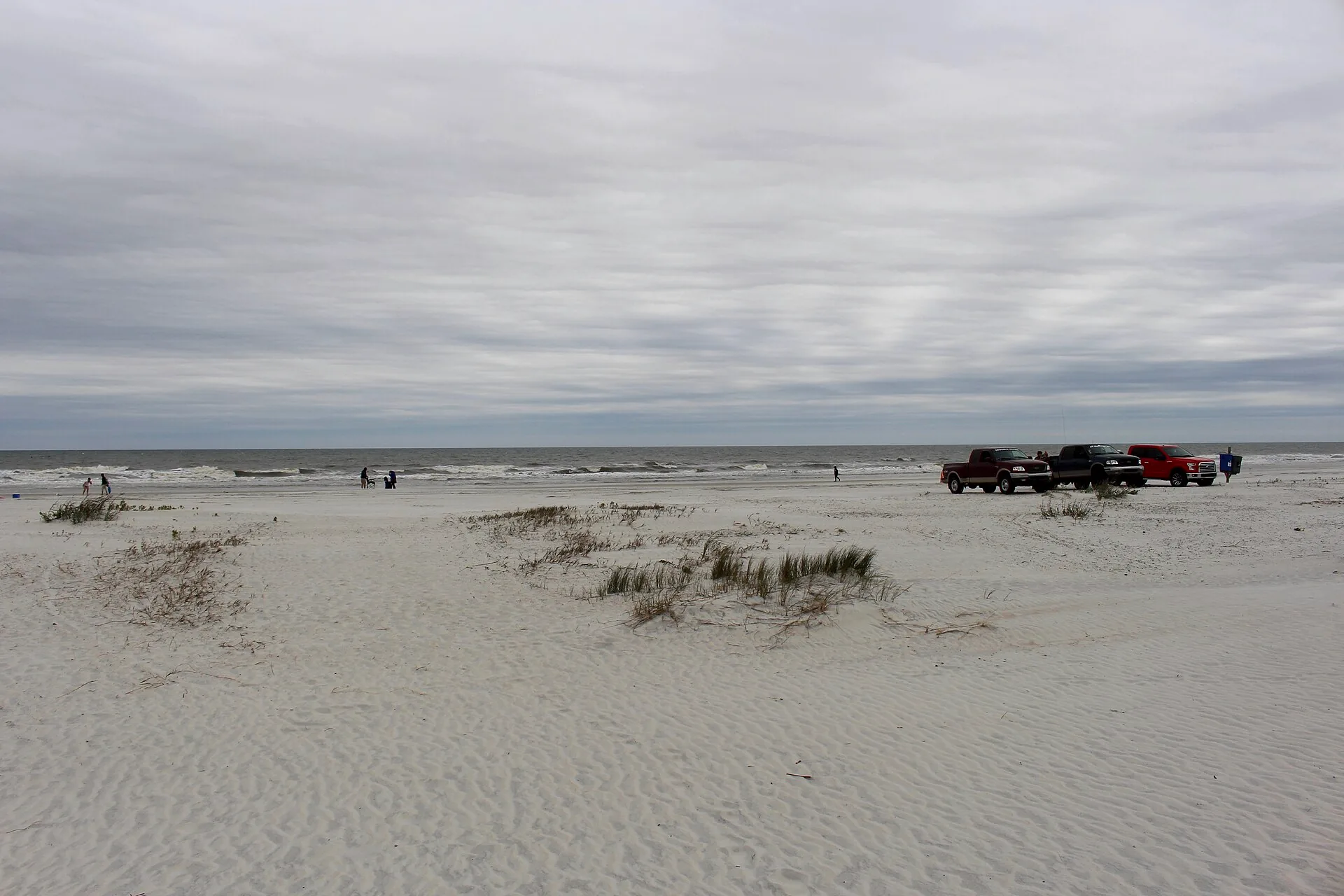
Summer suits a warm-water beach holiday better than continuous outdoor sightseeing. St Augustine Beach offers the coastal part of that choice, with space for swimming when conditions allow and time on the sand. It is a different kind of trip from spending most of each day walking between historic sights.
Michael Rivera · CC BY-SA 4.0 · Edited
Humidity remains high through summer. Muggy conditions often develop overnight and in the morning, so an early start is a way to avoid the strongest daytime heat, not a promise of cool, dry air. Thunderstorms may briefly ease the humidity, but they do not change the season’s overall character.
Start with the outdoor sights that matter most to you, keep exposed stretches short and leave an indoor interval flexible. Return to outdoor activities only when conditions suit them. This gives you a useful sightseeing day without treating the beach as a fixed appointment that must happen regardless of the weather.
Summer thunderstorms commonly form inland in the afternoon and move towards the coast. The sea breeze can trigger or concentrate them, and they may reach St Augustine in the late afternoon or evening. Do not assume a late beach visit has escaped the day’s storm risk. A clear morning also does not settle the weather for the rest of the day.
Summer can still be the right choice when warm water is your priority, especially if seasonal lifeguard coverage matters too. Choose it with room for shorter sightseeing outings rather than an all-day walking plan. For a trip dominated by the historic centre, milder months offer a more comfortable balance, while a beach-led summer stay asks you to accept heat, humidity and interruptions.
Winter and Nights of Lights
Winter is a sightseeing choice, not a dependable warm-water swimming season. Cooler days can make the historic centre more comfortable to explore, while the beach can remain part of a visit without a swim. The important distinction is between an ordinary winter stay and a trip made specifically for Nights of Lights, when festive evenings change demand.
The 2026–2027 Nights of Lights edition runs from 21 November 2026 through 18 January 2027. Choose dates within that window for the illuminated historic centre. An early-year stay can combine winter sightseeing with the lights, but the event should be part of the date decision rather than assumed to last throughout winter.
Friday and Saturday nights are generally the busiest. Opening night, Thanksgiving weekends and the weekends before Christmas bring particularly strong pressure, as does the stretch from Christmas Eve through New Year’s Eve. These are event-led crowd peaks, so an otherwise mild evening can still mean a much busier visit than you wanted.
Choose a midweek lights visit if the event matters more than complete quiet. It offers a gentler alternative to the busiest festive evenings, though it is not the same as leaving the event season behind. Popular holiday nights can also erase winter’s apparent room-price advantage, especially for a central hotel stay.
St Augustine in January suits travellers weighing winter sightseeing against the chance to see the lights, with cold-water expectations shaping the beach part of the trip. February is the clearer choice if quieter historic sightseeing is the priority and the festive display is not a reason to travel.
For an event-led stay, give the evening its own space rather than trying to fit the lights around a beach-focused holiday. For ordinary winter sightseeing, build the visit around the historic centre and treat coastal time as an extra. That difference matters more than choosing winter simply because it is cooler than summer.
Busy days and seasonal access
- For seasonal lifeguard-tower coverage at St Augustine Beach, choose Memorial Day weekend through Labor Day weekend. Towers are staffed 10am–6pm, weather permitting.
- When lightning threatens, leave the water and beach immediately. Seek a sturdy building or, if none is safely reachable, a fully enclosed vehicle.
- Stay sheltered until 30 minutes after the last thunder before returning to beach activities.
Warm water does not mean a supervised swim. Lifeguard coverage has its own seasonal limits, so a beach-led date choice needs to weigh supervision as well as temperature. This is especially relevant when choosing a warmer-water shoulder-season stay rather than a summer holiday.
For fixed travel dates, use weekday mornings for the historic centre’s outdoor sights. Ordinary weekends are busier, especially Saturday, and pressure builds by midday and continues into the afternoon. This daily pattern gives you another way to improve a visit when you cannot change the season, though major holidays and events can bring heavier crowds.
Keep museums and galleries available as indoor alternatives when wet weather interrupts the day. In the historic centre, these can preserve the sightseeing part of a visit without committing you to another long outdoor stretch. Use indoor time for something you want to see rather than waiting outside for the rain to pass, and postpone the beach when conditions make it unsuitable.
Sources & fact-checking
Checks against the sources below cover: services and key figures.
- St. Johns County Marine Rescue — service
- Florida Department of Environmental Protection — service
- Florida Department of Health in Bay County — service
- City of St. Augustine — service
- National Oceanic and Atmospheric Administration (NOAA), National Centers for Environmental Information (NCEI) — key figures
- Florida Climate Center, Office of the State Climatologist — key figures
- National Centers for Environmental Information (NCEI), National Oceanic and Atmospheric Administration (NOAA) — key figures