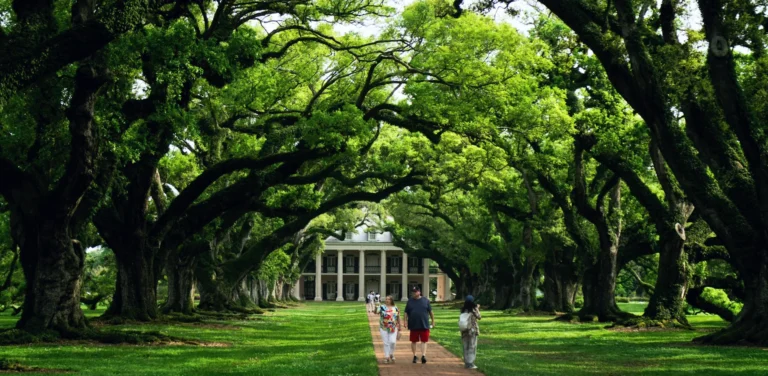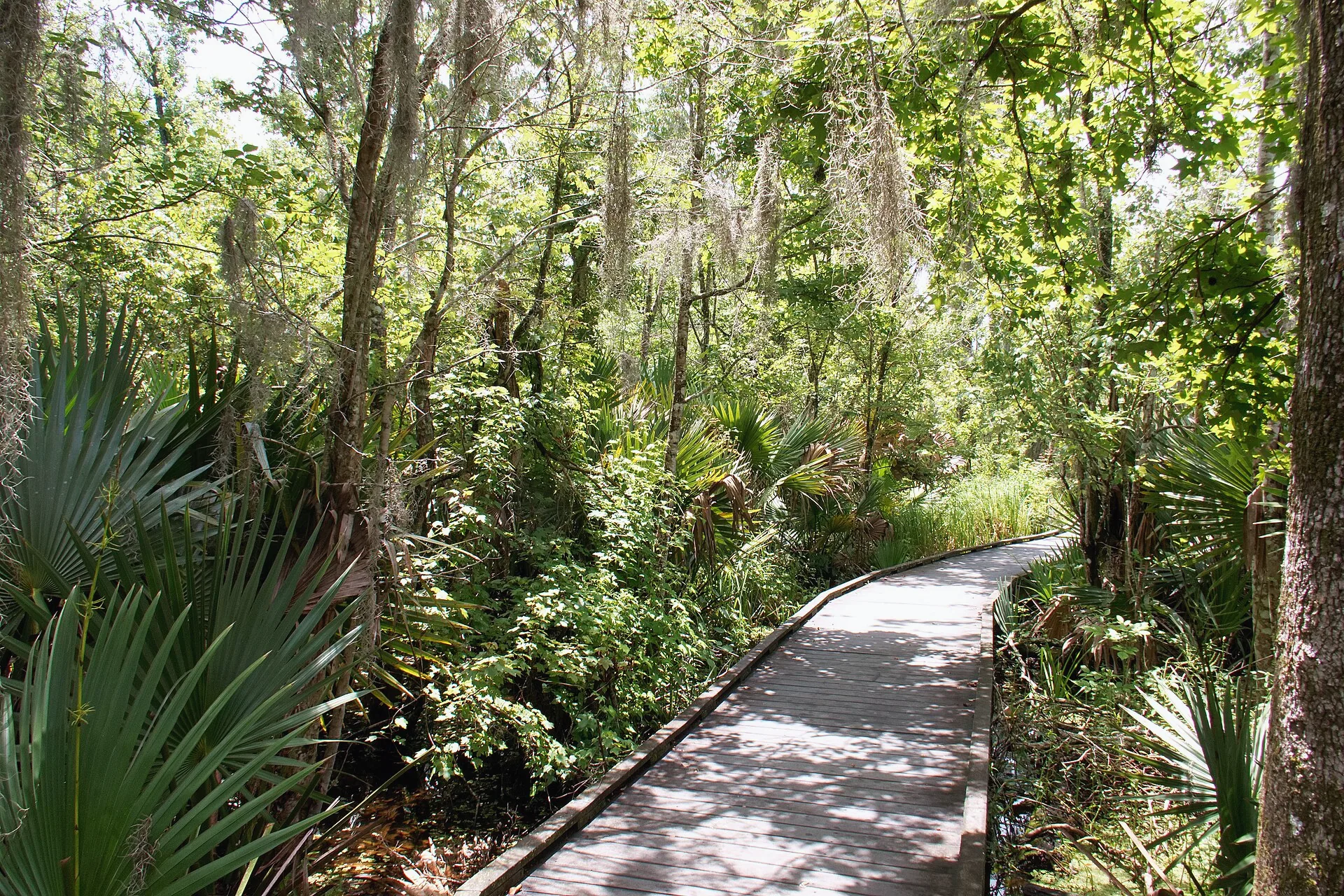
A lakefront walk in Mandeville, the history of slavery at Whitney Plantation, Baton Rouge’s contrasting capitols and coastal art in Ocean Springs offer four distinct reasons to leave New Orleans for the day. Choose the subject you want to spend time with, not just the shortest drive. The nearer outings can fit half a day, while the city and coast reward a full day with lunch and time away from the car.
Half-day and full-day trips
| Criterion | Mandeville | Whitney Plantation | Baton Rouge | Ocean Springs |
|---|---|---|---|---|
| Outward drive | about 41 minutesBest | about three quarters of an hour | about an hour and a quarter | about an hour and a half |
| Main activity | Lakefront and park | History of slavery | Capitols and riverfront | Art, town and coast |
| Time including return | Half day, full with park | Half day | Full day | Full day |
| Main attraction adult admission | Fontainebleau: $3Best | Audio: $25; guided: $32 | — | Museum: $12 |
The drives use Union Passenger Terminal in central New Orleans as the shared starting point, with a return to the same point. Road time is separate from parking and visiting, so your accommodation’s location and the time you spend at each stop shape the outing.
For a town visit, Mandeville gives you Lake Pontchartrain’s north shore, Baton Rouge pairs state political history with the Mississippi riverfront, and Ocean Springs combines a Mississippi coast town with an art museum. Baton Rouge and Ocean Springs both fit within a two-hour outward drive, but allow a full day to enjoy them and return. Whitney is the museum-led choice rather than a town outing.
Mandeville and Fontainebleau State Park
Mandeville’s lakefront makes a straightforward outing for a walk beside Lake Pontchartrain and time looking across the water. Keep to the lakefront for a half day, or add Fontainebleau State Park for a full day. The drive from central New Orleans takes about 41 minutes.

Susan Popielaski · CC BY-SA 3.0 · Edited
Fontainebleau State Park’s lakeside beach and sugar-mill ruins give you two different reasons to explore: shoreline time and a glimpse of the land’s industrial past. From the lakefront, the park is about 8 minutes farther by car. Treat the beach as a place to spend time beside the lake rather than making swimming the condition for enjoying the trip.
- Park gates, daily
- 7am–9pm
- Entrance station, Sunday–Thursday
- 8am–5pm
- Entrance station, Friday, Saturday and days before holidays
- 8am–8pm
- Free park admission
- Ages 3 and under, and 62 and older
- Causeway return toll, two-axle passenger car under 7 feet
- $6 cash or credit card; 3% credit-card surcharge
- Toll-tag fare
- $3.40
The entrance station has a shorter window than the gates, so arrange the park visit around the staffed hours if you need assistance on arrival. The Causeway toll is separate from park admission and is collected on the Mandeville side for the crossing towards New Orleans.
The complete drive via the lakefront and park, returning to central New Orleans, takes about an hour and a half. Leave the rest of the day for the shore, ruins and a meal.
Whitney Plantation
Whitney Plantation in Wallace centres the visit on enslaved people’s experiences rather than the owners’ lifestyle. Memorials and historic cabins give the history a human and physical focus. Allow time to read and listen as well as look at the buildings, rather than treating this as a quick architectural stop.
The outward drive from central New Orleans takes about three quarters of an hour, and the return outing involves about an hour and a half of driving in total. Allow about two hours for the museum experience. That combination makes Whitney a half-day trip, with room to pause over the exhibits instead of adding another destination.
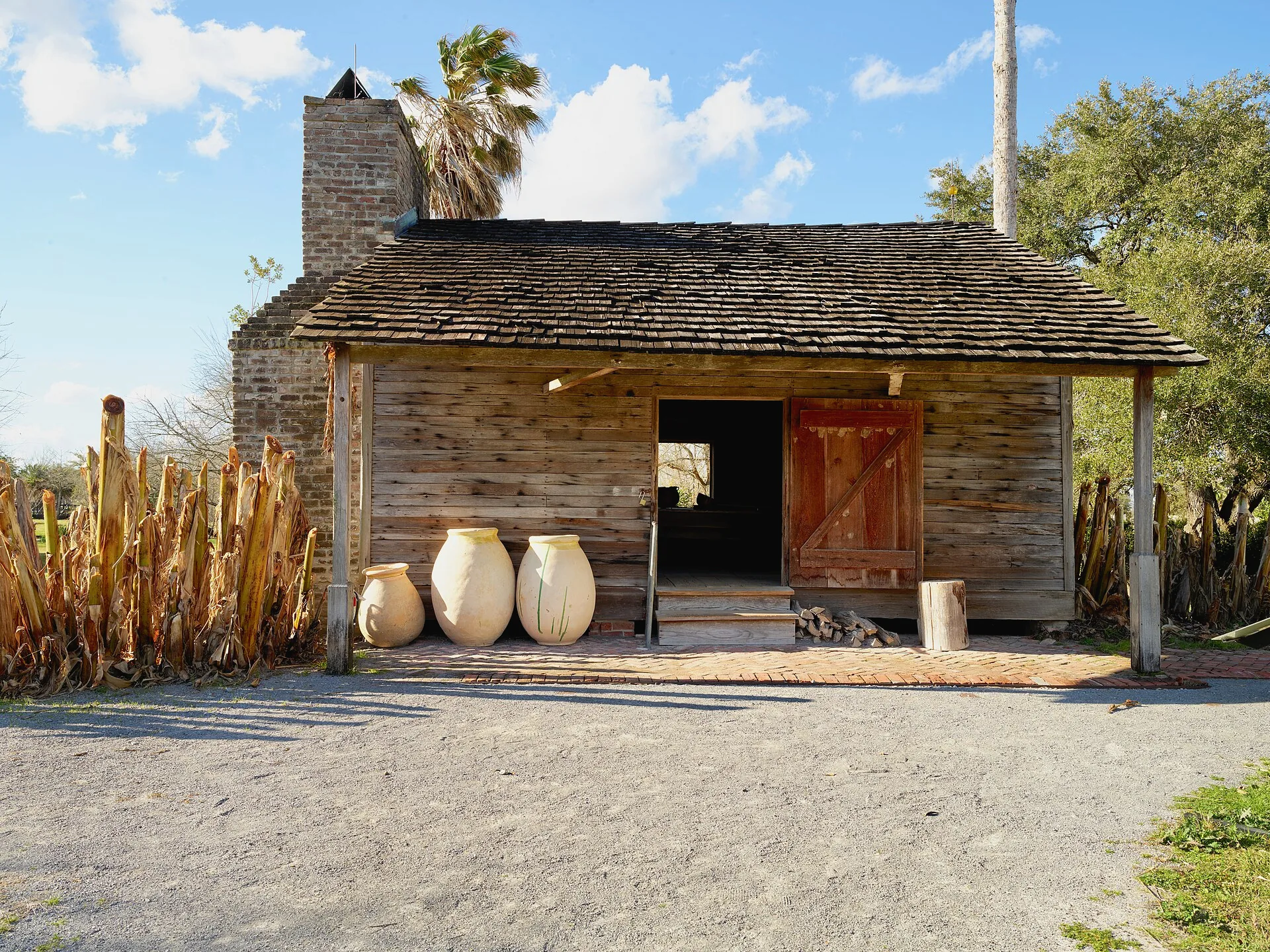
Carol M · Public domain · Edited
Choose the self-guided audio tour if you want to move at your own pace, or the guided tour for a historical interpreter’s account. Audio tours are available in six languages. Guided departures run hourly, subject to availability, and places are first come, first served. Advance booking is not required for a regular visit, but arriving with time to spare gives you more flexibility if you prefer the guided format.
- Name
- Whitney Plantation
- Location
- 5099 LA-18, Edgard, LA 70049 Maps
- Site
- whitneyplantation.org
- Hours
- Mon 9:30am–4:30pm
- Tue Closed
- Wed–Sun 9:30am–4:30pm
- Essential fact
- A museum in Wallace interpreting the history of slavery at a former River Road plantation.
- Price
- USD 25 Self-guided audio tour · adults
- USD 32 Guided tour · adults
Baton Rouge
Baton Rouge earns a full day through the contrast between the Louisiana State Capitol and the Old State Capitol. The tall Art Deco tower and the castle-like Gothic Revival building show very different faces of Louisiana’s political history. An exterior-led visit lets you appreciate that contrast without making the day depend on interior access.
Start at the Louisiana State Capitol after a drive of about an hour and a quarter from central New Orleans. Take time to look at the tower’s vertical lines and monumental approach before moving on to the older building.

Chrismiceli · CC0 · Edited
From the Louisiana State Capitol, the onward drive to the Old State Capitol takes about 3 minutes. Its battlements and pointed Gothic forms offer a clear contrast to the newer tower. Allow for parking again before walking around the exterior, then take a lunch break in downtown Baton Rouge.
From the Old State Capitol area, spend time beside the Mississippi riverfront before setting off for New Orleans. This broad working river gives the city outing a different setting from Mandeville’s lake shore. The complete drive through both capitol stops and back takes about 2 and a half hours, so leave a full day for the buildings, lunch and river.
If you leave New Orleans late, prioritise the two capitol exteriors and shorten the riverfront walk. Keep a meal break, but resist adding more sights when it would turn the return into the rushed part of the day.
Ocean Springs
Ocean Springs makes the longest outing of these four, with the Walter Anderson Museum of Art as its cultural anchor. Choose it for art followed by town and waterfront time, rather than a beach-only day. Anderson’s work draws on the natural world of the Mississippi coast, giving you a reason to look closely before heading outside.
The drive from central New Orleans to the museum takes about an hour and a half. The museum opens Monday–Saturday, 11am–5pm, and Sunday, 1pm–5pm. On Sunday, put lunch and town time before the art visit if you arrive earlier, then continue to the waterfront.
From the museum, the drive to Government Street takes about 7 minutes. Use this downtown stop for lunch and a browse among shops, making it a proper break from galleries and driving. You can give the town more time if sitting down for a meal matters more to you than a long waterfront stop.
From Government Street, the onward drive to Front Beach takes about 9 minutes. Spend time along the shoreline for a waterfront walk after the museum and town stops. Shorten this outdoor part of the day if heat or rain makes lingering uncomfortable.
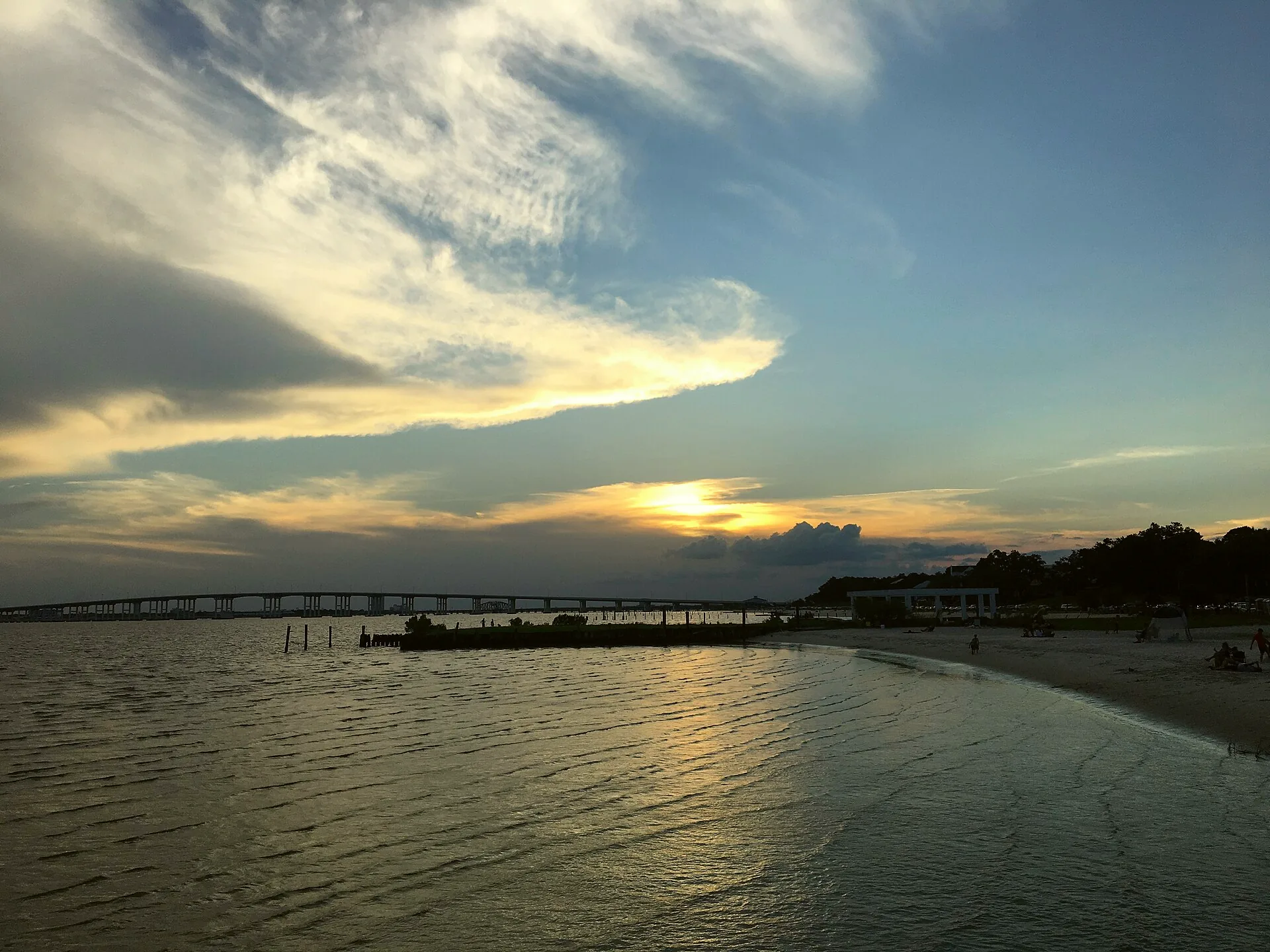
Anably · CC BY-SA 4.0 · Edited
The complete drive via the museum, downtown and Front Beach, returning to central New Orleans, takes about 3 and a half hours. Leave a full day for Ocean Springs, so the art visit and lunch do not compete with the drive home.
Driving, tours and weather
- Transport: identify the departure point and whether the excursion includes both outward and return travel.
- Admission: distinguish attraction entry from the transport cost.
- Visit format: know whether you join a guided visit or explore independently.
- Return arrangements: establish the meeting point and how much time you have at the destination.
An organised excursion trades the freedom of your own car for shared transport and a set return arrangement. Choose by the visit you want, not transport alone, especially at Whitney, where an audio visit and a historical-interpreter tour are different experiences.
For an independent drive, admission is separate from the journey. Parking, meals and visits all add time beyond the road legs. At the lakefront and coast, heat and wet weather are reasons to shorten outdoor stops, not to squeeze in another destination and lengthen the driving day.
Sources & fact-checking
Checks against the sources below cover: services and fares and charges.