Florence’s street-food identity is concentrated in four foods: lampredotto, trippa alla fiorentina, schiacciata and coccoli. They range from a deeply Florentine offal sandwich to a filled flatbread and fried dough, so the best first bite depends less on a universal ranking than on what you enjoy eating and what your diet allows.
The useful distinction is straightforward: lampredotto and trippa are beef offal dishes, while schiacciata and coccoli offer a gentler introduction through bread and fried dough. The sections below explain what is in each one, how it normally appears at a counter or table, and how to identify it before ordering.
Florence street food: four classic bites
- Lampredotto is the cow’s abomasum, the fourth stomach, slow-cooked until tender and served in a crusty Florentine roll. The roll may be dipped in the cooking broth, then the panino is finished with salsa verde and, if wanted, a spicy red sauce. It is the most specifically Florentine choice and is commonly eaten as a substantial takeaway lunch, standing or on a stool.
- Trippa alla fiorentina is cleaned beef tripe simmered until tender, then cooked with onion, carrot, celery and tomato. It arrives hot, usually with grated Parmesan, and is more often a bowl or plate for a seated lunch than a hand-held snack.
- Schiacciata is a Tuscan flatbread with a crisp, olive-oil-rich outside and a soft, airy centre. In Florence it is commonly split and filled with finocchiona, prosciutto or salame, often with pecorino or another cheese, and plain warm slices seasoned with oil and salt are also characteristic. A seasonal sweet version, schiacciata all’uva, contains grapes and sugar.
- Coccoli are small balls of fried dough made with flour, water, yeast and salt. Served warm, they are usually split and paired with prosciutto and soft stracchino cheese, making them a snack or antipasto normally eaten seated rather than as a hurried sandwich.
For a quick answer to what street food Florence is known for, start with lampredotto if you want the city’s most distinctive savoury bite. Schiacciata is the easier bread-based option, while trippa and coccoli make more sense when you have time to sit and eat. Markets, food counters and informal tables provide the setting, but the food itself is the point: each item is recognisable by its ingredients and serving style, not by a particular venue.
How to recognise the classic bites
At a counter, the bread and finish usually reveal the choice before you taste it. A lampredotto is a filled crusty roll, often with its upper half moistened with cooking broth, green sauce and an optional chilli-red sauce. The combination of a wet, richly filled panino and bright sauces is the clearest clue. It is not simply a roast-meat sandwich.
Trippa alla fiorentina is distinguished by its cut strips of tripe in a red, tomato-based preparation. Look for the tomato colour and the supporting onion, celery and carrot, often with a snowfall of Parmesan. This is the simplest way to separate it from lampredotto: lampredotto is the broth-moistened roll, while trippa is the tomato-simmered dish, usually served with a fork.
Schiacciata looks like a sandwich only after it has been opened and filled. Its defining bread is flat and marked by olive oil, lightly crisp and salty outside but chewy and airy within. Generous layers of cured meat, cheese, vegetables or spreads sit between the halves, giving it a more rustic, bread-forward character than an ordinary sliced-bread sandwich.
Coccoli are easy to spot as small, irregular or round pieces of fried dough with a rough, crisp surface and a soft centre. Their customary pairing with prosciutto and stracchino is part of the identity: a plate of warm dough beside cured ham and soft cheese points to coccoli, not to a filled schiacciata. If the food is flat and sliced, think schiacciata, but if it is puffed and fried, think coccoli.
Ordering and eating the classics
Ordering these foods is less about a fixed meal course than matching a familiar format to your appetite and diet. Florence’s casual choices cover takeaway panini, filled bread, hot plates and antipasto-style snacks. Read the named ingredients and accompaniments before you decide: the dish title alone does not settle offal, pork, dairy, gluten or texture.
Make the order match what you want to eat
Do
- Name the dish before ordering if you are avoiding offal: lampredotto is beef abomasum and trippa alla fiorentina is beef tripe, while schiacciata and coccoli are not offal dishes.
- For lampredotto, ask about the broth-dipped roll, salsa verde and optional spicy red sauce; it is the classic takeaway panino eaten standing or on a stool. For trippa, expect a hot bowl or plate with tomato and Parmesan, usually eaten seated.
- Treat schiacciata as the flexible bread option for breakfast, a quick lunch or an afternoon snack, and ask which fillings are inside. Coccoli are a warm fried-dough snack or antipasto, usually served seated with prosciutto and stracchino.
- Say clearly if pork, dairy or gluten is a problem: traditional lampredotto has none of those three in the preparation described here; trippa usually adds dairy through Parmesan; schiacciata and coccoli use wheat flour, while coccoli also conventionally include pork and dairy.
- Use texture as part of the order: lampredotto is tender but chewy, trippa soft and slightly springy, schiacciata crisp and chewy, and coccoli crisp outside with a soft centre.
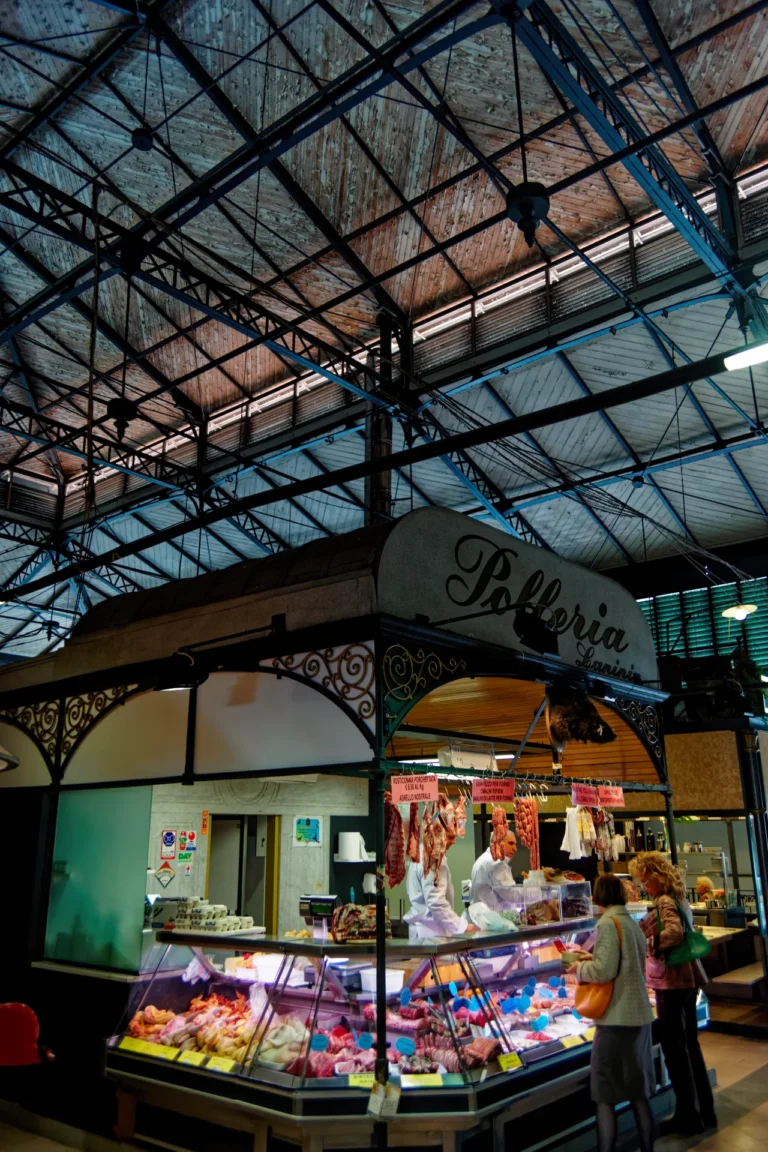
- For practical details of one market-based example, follow the Mercato Centrale food stop after deciding which format suits you.
Don’t
- Assume that bread-based street food is gluten-free: schiacciata and coccoli are made with wheat flour.
- Treat trippa as the same cut as lampredotto; trippa is beef tripe in tomato sauce, while lampredotto is the abomasum served in a roll.
- Assume a schiacciata filling is free from pork or dairy without asking, since the bread and the filling are separate choices.
- Assume coccoli are dairy-free or vegetarian when they are served in the customary way with stracchino and prosciutto.
- Order a traditional serving without considering texture if chewy offal, soft tripe or fried dough would make the meal uncomfortable.
Choosing your first street-food bite
| Criterion | Lampredotto | Trippa alla fiorentina | Schiacciata | Coccoli |
|---|---|---|---|---|
| Florentine identity | Most specifically associated with FlorenceBest | Traditional Florentine preparation | Tuscan bread, common in Florence | Florentine fried-dough speciality |
| Defining texture and flavour | Tender, chewy, savoury; sauces sharpen it | Soft, slightly springy; mild tomato flavour | Crisp, oily crust; chewy, airy crumb | Crisp outside, fluffy inside; lightly salty |
| Best occasion | Substantial lunchtime street-food meal | Traditional seated lunch | Breakfast, quick lunch or afternoon snack | Aperitivo or casual evening bite |
| Good first choice for | Curious eaters comfortable with offal | Offal fans who prefer tomato sauce | Bread lovers wanting the gentlest introduction | Those who prefer fried dough and soft cheese |
There is no single best street food in Florence for every traveller. Choose lampredotto when the aim is the city’s most distinctive classic and you are comfortable with offal, or choose trippa when you want offal softened by tomato and a proper seated meal. Schiacciata is the safest first taste for many visitors, especially if you want bread, fillings and flexibility, while coccoli suit anyone who wants a warm fried bite and accepts their traditional pork-and-dairy pairing. Dietary restrictions should settle the choice before popularity does.