In Florence, ordering a Florentine steak means choosing a substantial piece of beef for the table, not simply picking a steak from a list of individual portions. Decide whether its customary cooking suits you before agreeing to the cut and its weight. The menu price is only the starting point for the shared bill. Sides, drinks and per-person charges sit alongside it.
Ordering and meal charges
- Menu name
- Bistecca alla fiorentina, Florentine steak
- Meal
- Lunch or dinner
- Where to eat it
- Trattorias and steak restaurants
You can order the steak as your main course without ordering every course of an Italian meal. A starter or pasta course is a choice, not a prerequisite. When sharing, agree how hungry everyone is before adding dishes: a substantial main can leave little room for what comes beforehand.
The coperto, or cover charge, usually pays for the place setting and bread. It applies per diner, even when you share one steak, and is separate from a tip. Allow roughly €1–€4 each, sometimes more in central or tourist-focused restaurants. Read the menu’s cover charge before ordering.
- Separately ordered sides: typically €5–€10 each, with more elaborate vegetable dishes towards the upper end.
- Wine by the glass: typically €5–€10, rising for more prestigious wines.
- Bottled water: typically €2–€4, depending on bottle size and restaurant setting.
Shared sides spread their cost across the table, whereas another glass adds to the drinker’s bill. Florence wine and ordering can help you choose a drink to accompany the beef rather than treating wine as an automatic extra.
The cut and the cattle
Florentine steak is a thick loin steak with a T-shaped bone, tenderloin on one side and sirloin on the other. In familiar British terms, it combines fillet and sirloin rather than giving you a boneless portion of either. That combination of two muscles in one substantial cut is central to its identity, and makes it different from the broad category of steaks.
When a restaurant offers a choice, bistecca nel filetto means the tenderloin-bearing cut, while bistecca nella costola means the rib-side, bone-in version. Ask which cut is available if the menu uses only the general dish name. The two local terms are more useful than assuming every displayed steak has the same anatomy.
Chianina cattle are traditionally associated with the dish, but Chianina is not a requirement for a steak to be called Florentine steak. Other breeds are used. A breed name tells you about the beef’s provenance, not everything about the meal you will receive.
Ageing, called frollatura, develops flavour and tenderness. As the meat matures, natural enzymes tenderise it and the flavour becomes more concentrated and complex. The time and method both matter. Ask about ageing alongside provenance rather than choosing on the cattle’s name alone.
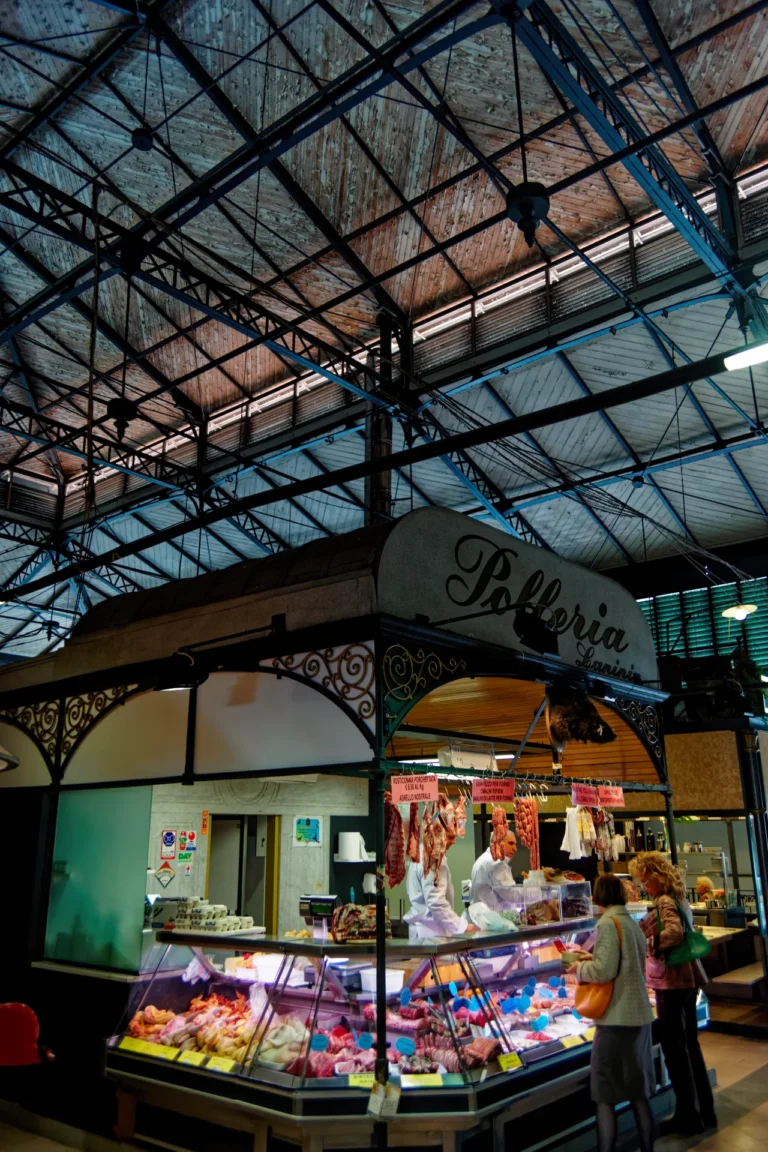
A signature of Florentine cooking and one of Tuscany’s best-known dishes, this steak is distinctive for its cut and thickness as much as its preparation. If the restaurant displays the meat, look for the substantial bone-in cut and ask staff to point out the two sections before choosing.

Thomas Oboe Lee · CC BY-SA 4.0 · Edited
Grilling and doneness
Traditional preparation uses a wood-fired grill over glowing embers. The heat browns the outside while leaving the centre warm and red: rare is the customary serving, not a special request. The contrast between the browned surface and the softer interior is part of what you are choosing.
Seasoning is simple: salt and pepper, with a drizzle of extra-virgin olive oil to finish. These give the beef a savoury edge without a heavy sauce concealing its flavour. Lemon may come alongside, but using it is optional.
Before ordering, look for a menu description of grilling over embers or wood, alongside the cut you have seen or discussed. Those are useful signs of the traditional preparation.
If you prefer more thoroughly cooked beef, discuss that before committing to the shared steak. Ask whether the kitchen can accommodate your preference, and make sure the others sharing it agree. If the customary serving does not suit you, consider other dishes to try in Florence, such as a slow-cooked beef stew or ribollita, the Tuscan bread-and-vegetable soup.
Weight, sharing and the bill
- Ask which cut is available and what it weighs.
- Confirm whether the menu price is per 100 g or per kilogram.
- Ask for the total steak price for that cut before agreeing to it.
- Agree who is sharing it and which sides you want to order separately.
Florence menus commonly quote steak by the kilogram or per 100 g, sometimes written all’etto. An etto means 100 g: a small-looking price beside that unit is not the price of the whole steak. The charged weight normally includes the bone, so it is not the amount of meat you will eat.
For a Florentine steak in Florence, allow roughly €50–€90 per kilogram, equivalent to €5–€9 per 100 g. Beef provenance, ageing and the restaurant setting move the price. Prestigious beef or a more expensive dining room can take it above that range.
As a rounded planning example, a cut of about 1.2 kg shared between two might cost around €60–€110 for the steak, or around €30–€55 each before extras. Appetite and the available cut determine whether that size suits you, so tell the waiter how many people will share rather than treating the example as a fixed portion.
The steak usually arrives whole on a serving platter, then is carved and shared, rather than arriving as separate individual steaks. Dividing its total among the diners gives you only their steak share. Add the cover charge and your chosen sides and drinks from the earlier meal budget to arrive at what each person will actually pay.