A gianduiotto is a small purchase that introduces you to Turin’s chocolate-making tradition without sitting down for dessert. You can buy a few to taste or choose a box as a gift. Guido Gobino’s Tourinot is one named interpretation, alongside chocolates sold simply as gianduiotti.
Choose by the recipe on the label, not just the familiar wrapper. The name identifies a confection rather than one brand, and milk ingredients vary between versions. The hazelnut designation and the chocolate’s proposed geographical designation also mean different things.
Buying and eating gianduiotti
- In English
- A small chocolate-and-hazelnut confection
- Plural
- Gianduiotti
- When to eat it
- After a meal or alongside coffee
- Reference producer
- Guido Gobino
Chocolate shops and confectionery counters sell gianduiotti loose by weight and in assorted boxes. Ask for a small bag by weight if you want a tasting purchase. You can ask for “un etto”, meaning 100 g, and choose an assortment if the counter offers several recipes. For a gift, a packed box keeps the selection together and makes it easier to carry.
As a typical budget, allow around €6–€12 for 100 g of loose chocolates, with artisan recipes towards the higher end. A gift pack of roughly 200–300 g often costs around €15–€35, and elaborate packaging adds to the price. These are small sweets rather than a fixed meal ritual. At a café, allow roughly €1–€3 extra per person for table service where counter and seated prices differ.
For savoury dishes and café orders to build around your tasting, explore other foods to try in Turin.
Hazelnuts, cocoa and the classic shape
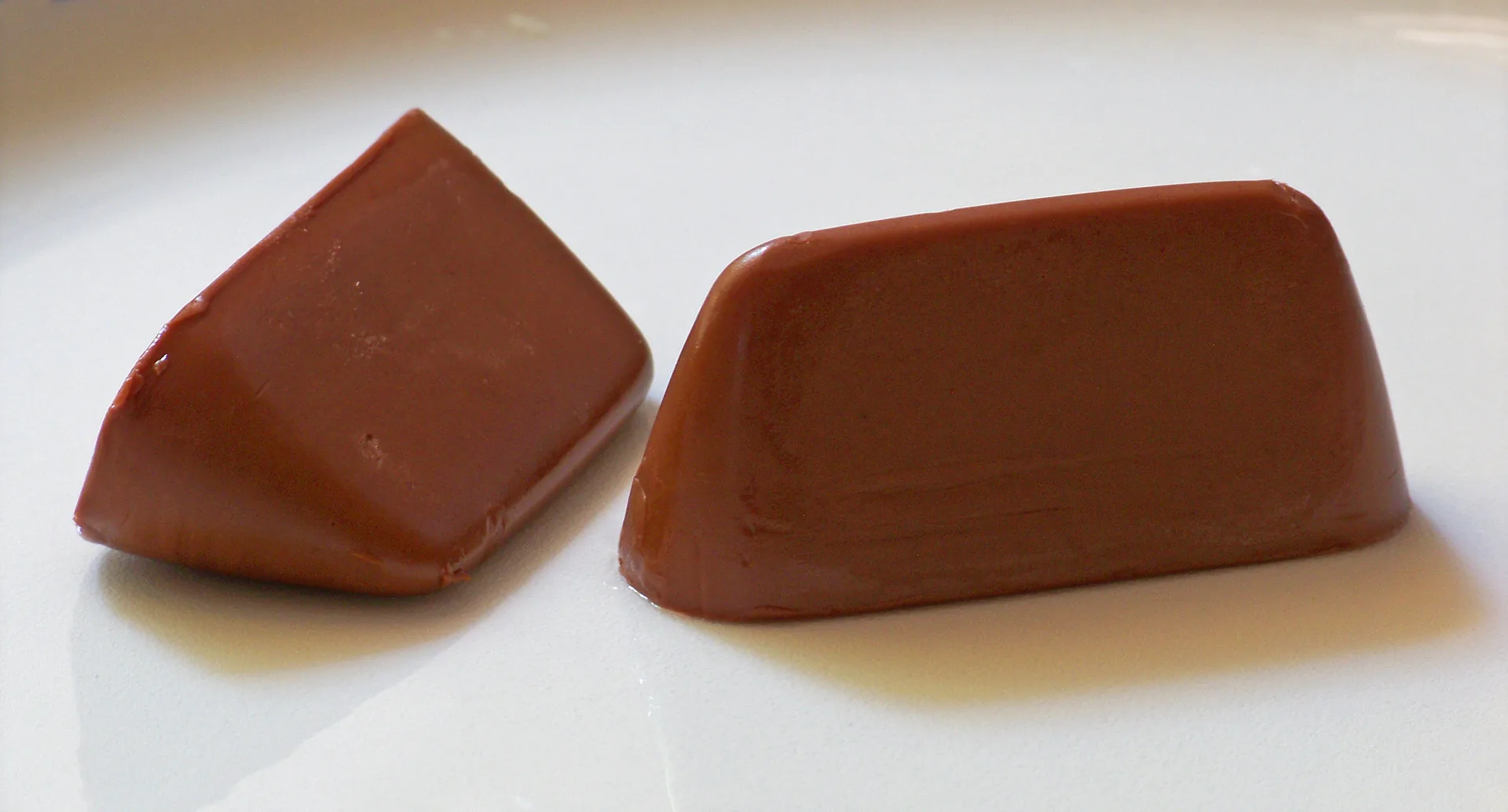
Gianduiotti taste of sweet, rich hazelnuts and chocolate, with a smooth, creamy texture. Their base is gianduja, a mixture of chocolate and finely ground hazelnuts, traditionally from Piedmont. The nuts become part of the mixture rather than a whole-nut filling, giving the chocolate its melt-in-the-mouth character.
Gianduja names that mixture, while gianduiotto names an individual confection made from it. Nutella is different in format: it is a branded hazelnut-cocoa spread, sold in jars or other containers for spreading, rather than a chocolate you unwrap and eat as a piece. A shared hazelnut-and-cocoa flavour does not make the two names interchangeable.
Milk is not an ingredient in every gianduiotto. Some recipes contain milk or milk powder, while others do not. If that distinction matters to you, read the ingredients for the particular version rather than treating all gianduiotti from a maker as the same recipe. A creamy texture alone does not tell you whether milk is present.
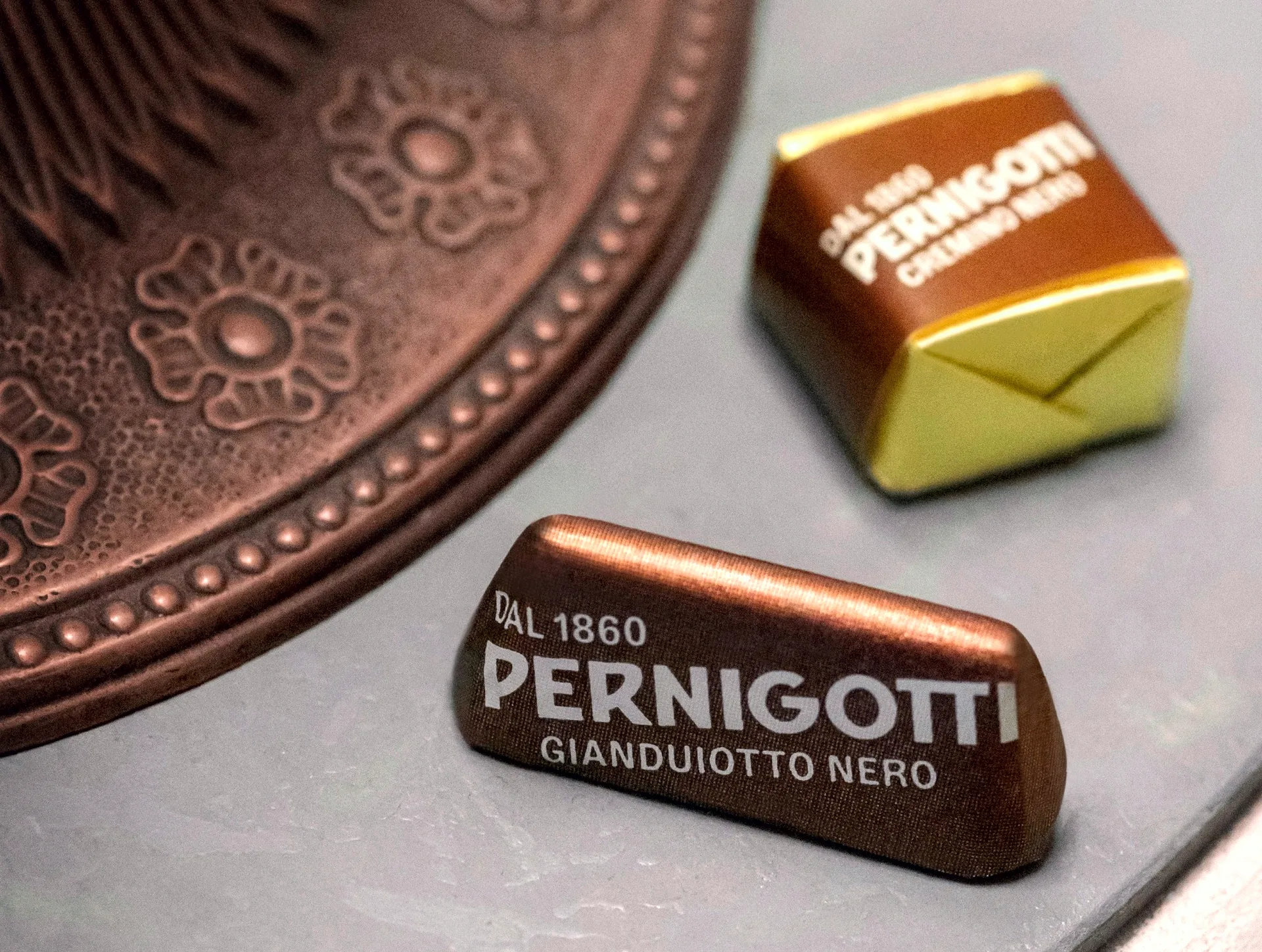
The classic form looks like an inverted boat, with a curved, ridged top and tapered ends. Individual wrapping presents each piece separately, but the shape is the more useful recognition cue once it is unwrapped. It tells you which confection you are looking at, while the ingredient label tells you which formulation you are buying.
Massimiliano1985max · CC BY-SA 4.0 · Edited
The name and Piedmont origins
Gianduiotto takes its name from Gianduja, the Piedmontese carnival character. The chocolate’s shape is said to resemble his tricorn hat. His name is associated with the Piedmontese form of Giovanni.
The hazelnut-rich gianduja mixture developed before the individual confection. Its origins are linked to the Napoleonic-era Continental Blockade, when local hazelnuts helped stretch scarce, expensive cocoa. The traditional local variety is Tonda Gentile delle Langhe.
Gianduiotto itself was created in Turin in 1865, within the city’s nineteenth-century chocolate-making tradition. Chocolatier Michele Prochet combined cocoa with finely ground Piedmont hazelnuts, reportedly to make cocoa go further during a shortage. That account explains the nuts’ practical role before they became the confection’s defining flavour.
Makers and labels
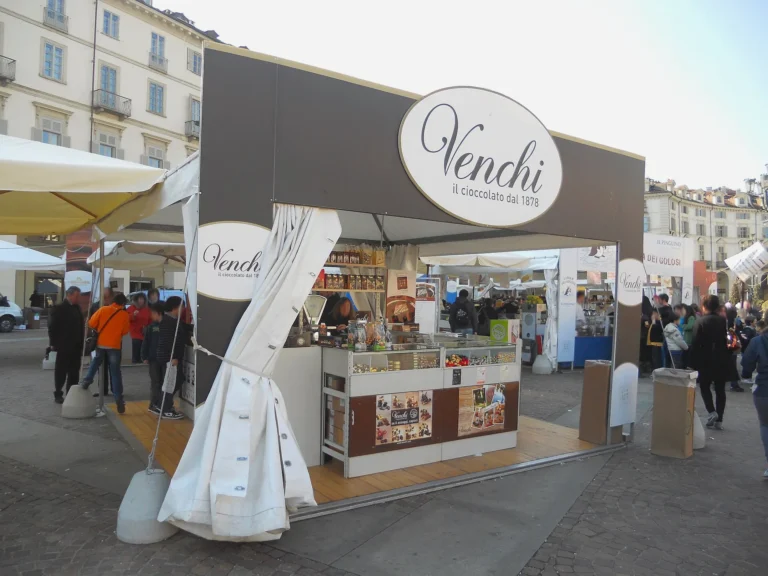
Gianduiotto is a generic confection, not a single maker’s brand. Caffarel and Venchi both sell gianduiotti under their own names. Guido Gobino’s Tourinot is its named interpretation. Look for the maker and recipe name on the wrapper or box so that you know which version you are choosing.
For milk and hazelnut information, read the ingredients of that specific version. Tourinot Maximo does not list milk among its ingredients, but that is different from an assurance about possible traces.
Nocciola Piemonte IGP means Piedmont hazelnut with a Protected Geographical Indication (PGI). That protection applies to the hazelnut ingredient, not automatically to the finished chocolate. By contrast, Giandujotto di Torino, the name proposed for the chocolate’s own PGI, remained an application rather than a registered designation as of 3 October 2026. The two label claims should not be read as equivalent.
La Bottega, Guido Gobino, is a public retail chocolate counter on Via Lagrange where you can buy Tourinot interpretations. It offers a reference point for trying the maker’s smaller, reimagined gianduiotto rather than a reason to choose by brand alone. Individual varieties available at the counter can vary, so choose from the recipes offered there.
- Name
- La Bottega, Guido Gobino
- Location
- Via Giuseppe Luigi Lagrange 1, Torino Maps
- Site
- guidogobino.com
- Hours
- Mon 11:00–20:00
- Tue–Sun 10:00–20:00
Sources & fact-checking
Checks against the sources below cover: key figures.