Choose Strasbourg for cultural variety, evenings out and railway town trips. Choose Colmar for a compact old-town stay or wine-village outings with a car. Both have distinctive historic centres, but a rewarding sightseeing stop and a useful overnight base are different things.
Strasbourg Cathedral, Petite France and the Neustadt give you several contrasting parts of a city to explore. Colmar gathers canal-side streets and the Unterlinden Museum into a smaller centre. Your arrival airport, appetite for art and plans beyond town matter more than which looks prettier in photographs.
Strasbourg and Colmar at a glance
| Criterion | Strasbourg | Colmar |
|---|---|---|
| Historic centre | Grande Île, canals and contrasting Neustadt | Compact old town and Petite Venise |
| Museum choices | Broader choice across several museums | Unterlinden’s major art collection |
| Onward outings | Direct railway town trips, including Obernai | Wine villages by car; Kaysersberg bus |
| Evening options | Restaurants and bars across several districts | Dining concentrated around the old town |
| Central mid-range double, ordinary dates | About €100–€170 per double room per night | About €90–€160 per double room per night |
For comparable central mid-range rooms on ordinary dates, Colmar is typically about €10 less per night at either end of these budget ranges. That modest difference need not determine your base: a hotel beside the sights, a weekend stay or Christmas demand can matter more than the city itself.
As a short visit, Colmar lends itself to a concentrated old-town walk, while Strasbourg rewards choosing a few areas rather than trying to cover everything. As an overnight base, the distinction shifts to what you want after sightseeing and where you will go next. Staying in Colmar gives you time beyond the day-visitor rush; Strasbourg gives you more reasons to remain in the city for another day.
Old towns and museums
The historic centres offer different kinds of sightseeing, not a clear winner. Strasbourg combines a major cathedral, waterways and later urban architecture, while Colmar pairs a compact streetscape with an art collection that deserves a visit in its own right.
The cathedral and Petite France
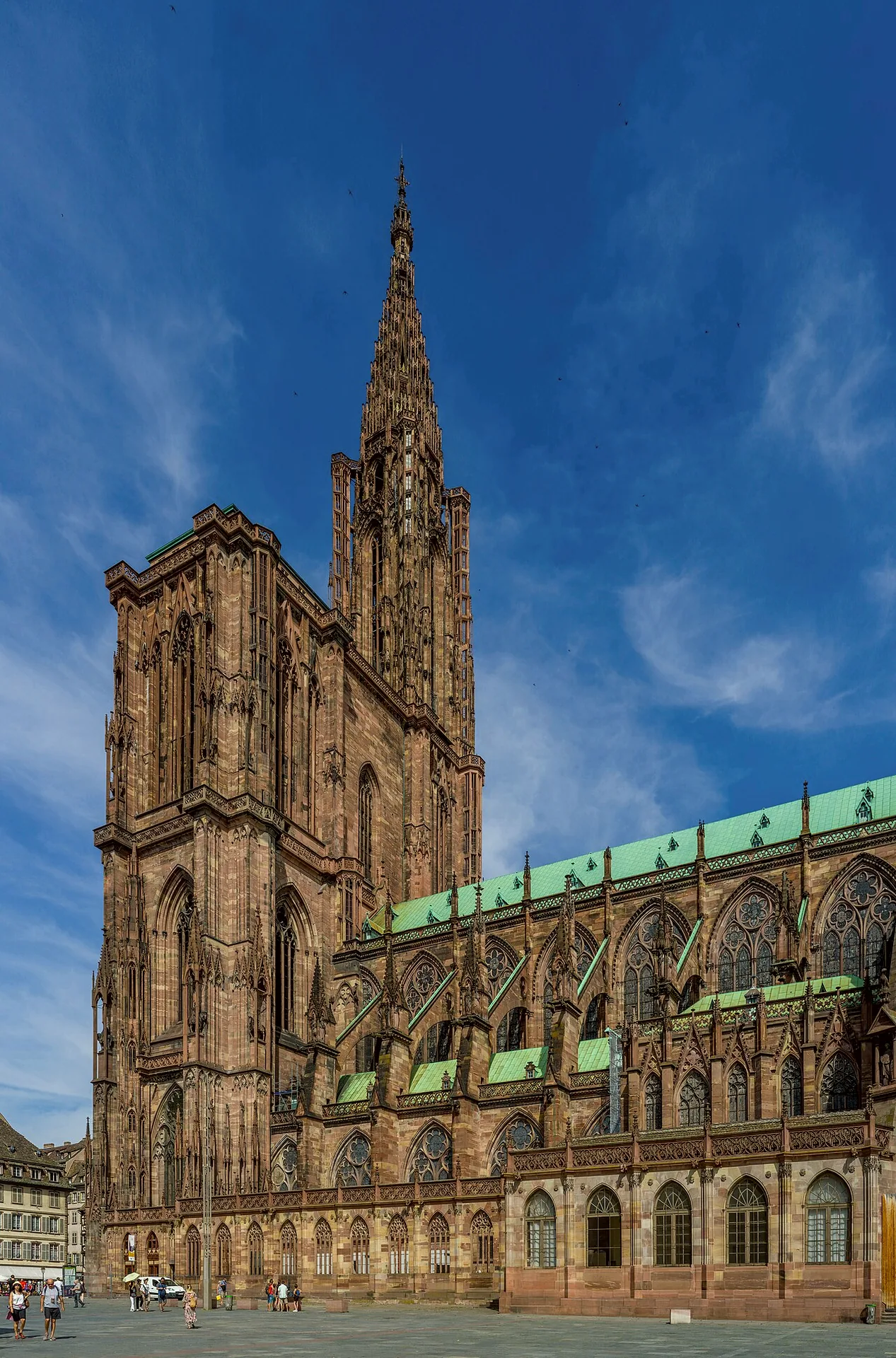
Strasbourg Cathedral rewards attention to its Gothic sculpture as well as its stained glass. Look at the carved façade before going inside: the exterior and interior make different demands on your eye. Allow room for the security check before entering, rather than treating the cathedral as a quick stop between walks. You can enter without a reservation.
- Name
- Strasbourg Cathedral
- Location
- Place de la Cathédrale, Strasbourg Maps
- Site
- cathedrale-strasbourg.fr
- Hours
- Mon–Sat 08:30–11:15, 12:45–17:45
- Sun 14:00–17:15
- Typical visit
- 45 minutes
- Essential fact
- Strasbourg’s Gothic cathedral stands on Place de la Cathédrale in the historic centre.
- Price
- Free
Sunday and feast-day tourist access is confined to the afternoon. During the Christmas market, the Monday–Saturday visiting window runs continuously from 08:30 to 17:45, making an interior visit easier to place between other sights.
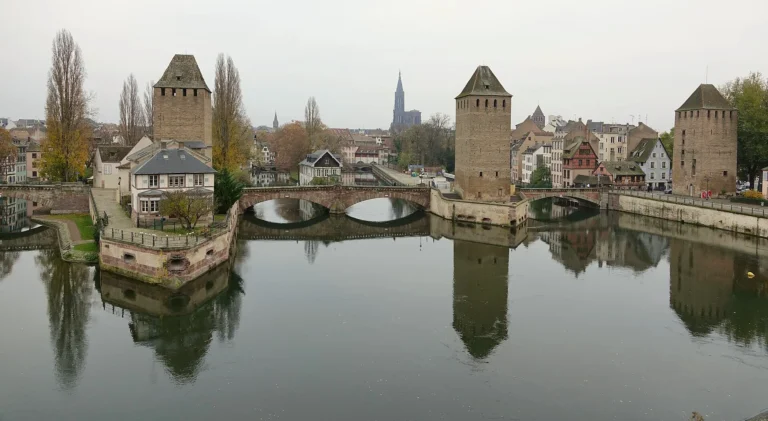
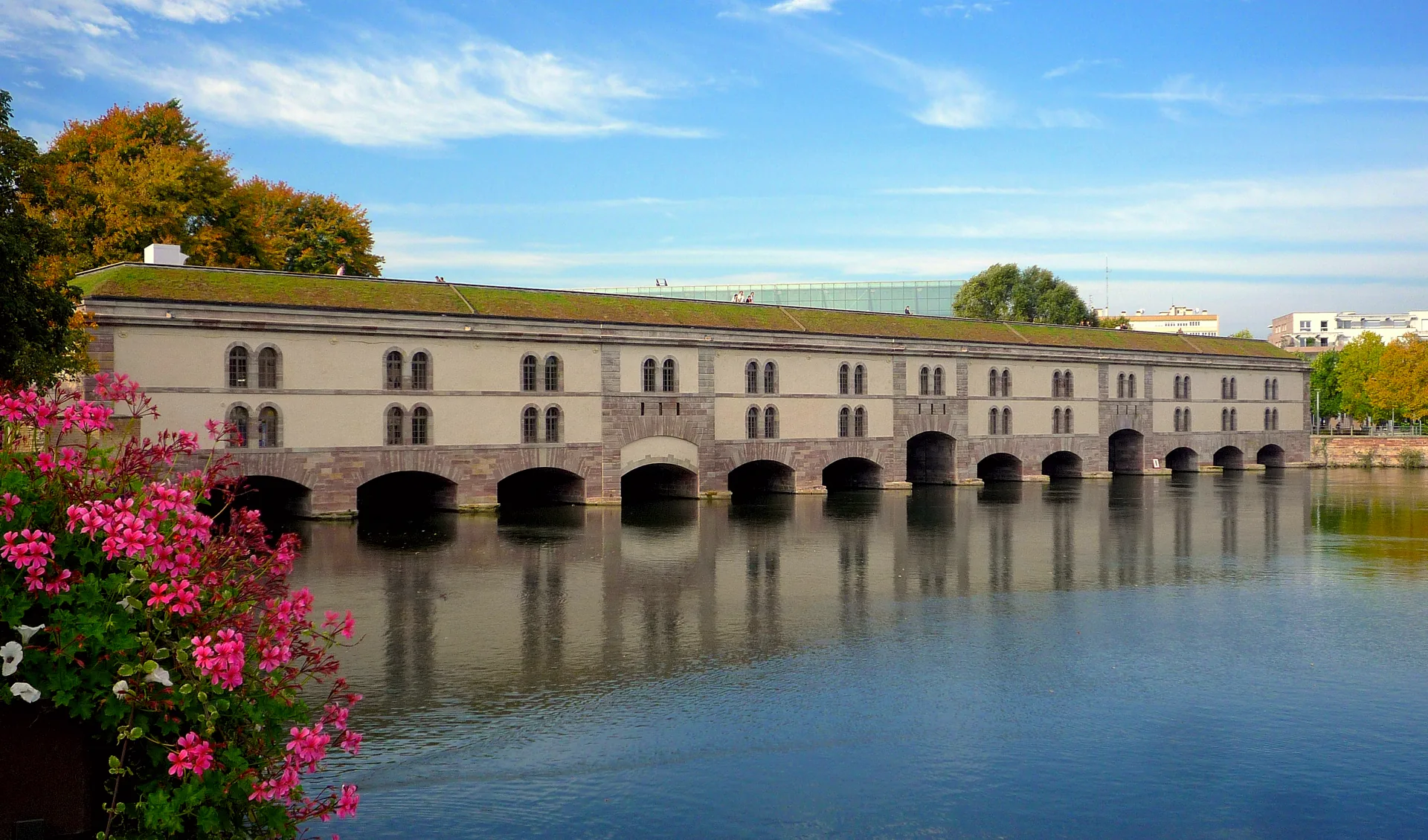
Petite France brings the canals and half-timbered buildings into focus. Continue to the Vauban Dam terrace for views over the waterways and the covered bridges: it gives you a wider view of the setting than the canal-side streets alone.
Claude TRUONG-NGOC · CC BY-SA 3.0 · Edited
The Neustadt, Strasbourg’s imperial-era extension, changes the scene with broad avenues and substantial civic architecture. Strasbourg’s appeal is the contrast between these urban layers, rather than a single picturesque quarter. This is why an extra sightseeing day has a purpose: you can give the cathedral, canals and later city their own attention instead of reducing them to passing views.
Petite Venise and the Unterlinden Museum
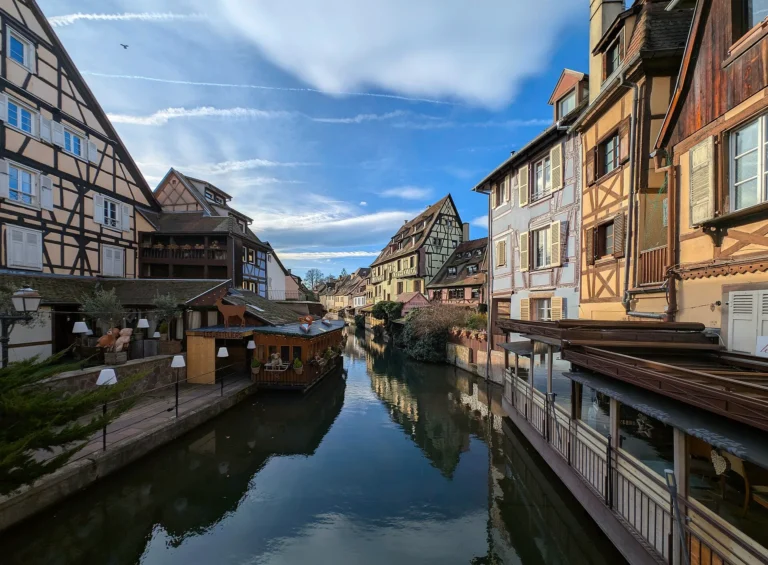
Petite Venise, meaning Little Venice, is Colmar’s canal-side quarter of historic buildings. Its waterside views belong within a walk through the old town, not a separate expedition. The short distances make it easy to return to a favourite stretch later rather than crowding every photograph into the busiest part of the day.
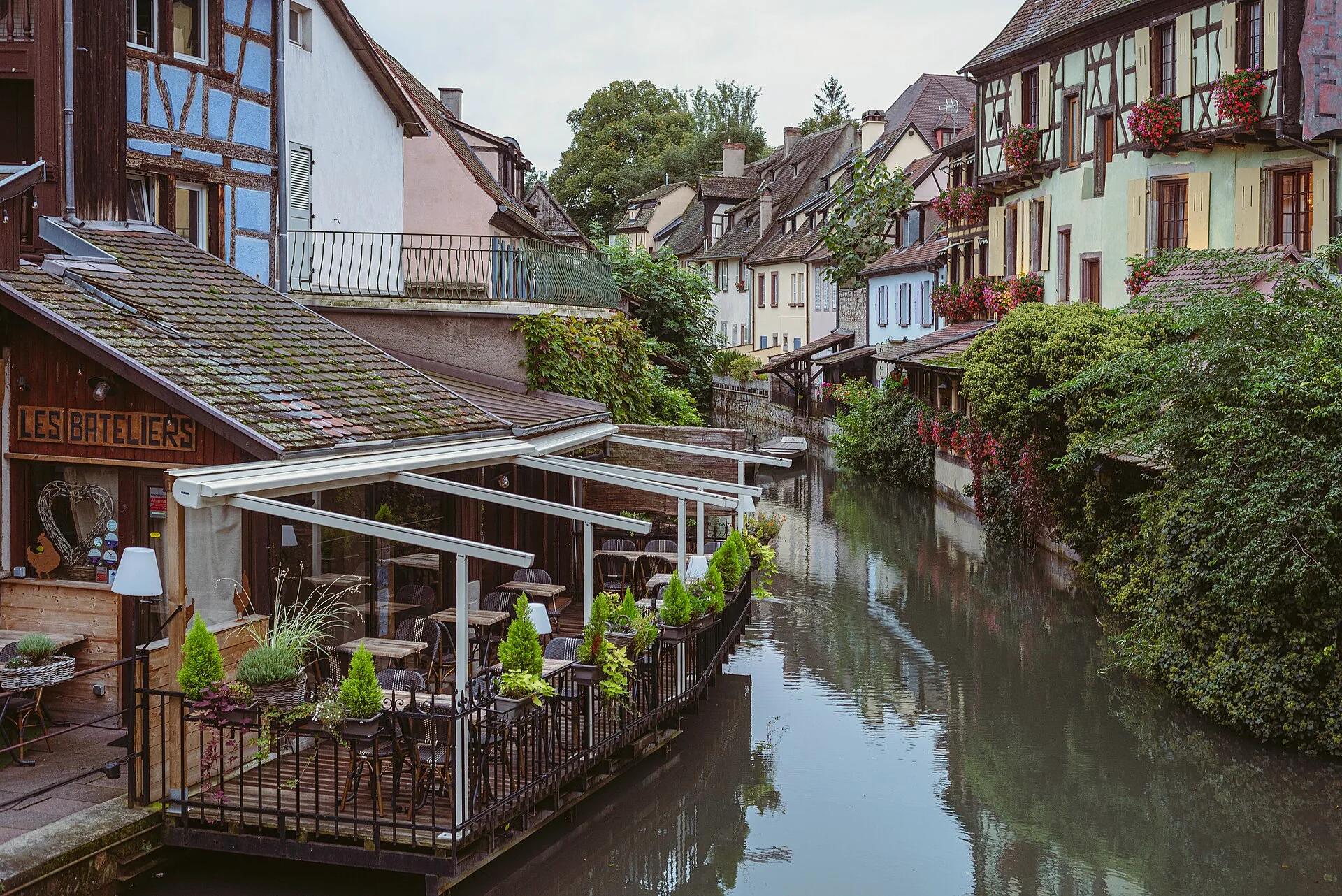
Flocci Nivis · CC BY 4.0 · Edited
At the Unterlinden Museum, the Isenheim Altarpiece is a painted and sculpted religious altarpiece whose panels deserve close looking, not a glance on the way past. The collections unfold through a former convent, former baths and a modern extension. An art-led Colmar visit needs time beyond the canal-side walk: the museum adds a different reason to stay, rather than more of the same streetscape.
- Name
- Unterlinden Museum
- Location
- Pl. des Unterlinden, Colmar Maps
- Site
- musee-unterlinden.com
- Hours
- Mon 09:00–18:00
- Tue Closed
- Wed–Sun 09:00–18:00
- Typical visit
- 1 hour 30 minutes
- Essential fact
- Colmar’s Unterlinden Museum houses the Isenheim Altarpiece in a complex combining historic and modern buildings.
- Price
- €14
- €7 last-hour admission
- €17 Admission with audioguide
For a short break, decide whether you want the streets alone or the streets and the collection. The latter makes Colmar a more substantial cultural stay, but ties your visit more closely to museum access.
Rooms, meals and evenings
Choose your neighbourhood as carefully as your city. In Strasbourg, staying near the station favours arrivals and railway outings; a room on the Grande Île puts the historic centre closer to your door. In Colmar, a station-side room makes luggage easier to handle, while an old-town room makes returning after dinner simpler. Central character and immediate access to sights can raise room prices, especially at weekends and during Christmas demand.
For a simple main course and a drink, budget roughly €20–€30 per person in either city. These are customary casual-restaurant ranges, not set menus: a prominent old-town address, wine rather than a soft drink, or a more elaborate dish tends to push the bill upwards. Neither city has a dependable meal-budget advantage on this basis.
Strasbourg’s restaurants and bars extend through Petite France and the surrounding Grande Île, with the Krutenau, southeast of the historic centre, another area for dinner and drinks. Colmar’s evening dining gathers around its old-town streets and squares, so choosing where to eat is more closely tied to your sightseeing area.
Staying in Strasbourg
Pros
- Station-side and historic-centre neighbourhoods let you match your room location to your plans.
- You can devote separate days to different parts of the city without changing hotels.
Cons
- A poorly placed room can leave repeated journeys between your hotel and the areas you want to explore.
- The city’s scale makes a very short stay selective rather than comprehensive.
Staying in Colmar
Pros
- An overnight stay lets you return to the canals before or after the daytime visitor peak.
- A central room makes it easy to break up sightseeing with a return to your hotel.
Cons
- Choosing solely for picturesque streets can leave a longer stay short of purpose.
- An art-focused stay depends on fitting your dates around the museum’s access constraints.
Airports, trains and village trips
Strasbourg Airport gives Strasbourg the simpler arrival, while EuroAirport serves both cities through the same initial connection. Think about your actual flight gateway before treating either city as the automatic base.
At Strasbourg Airport, a covered pedestrian walkway links the terminal to Entzheim-Aéroport station. The direct TER shuttle to Strasbourg station takes 8 minutes, with up to five services per hour. For Colmar, take that airport train to Strasbourg, then change to a TER train for Colmar. Keeping your room near the appropriate city station is useful if you arrive with luggage and intend to leave by rail.
At EuroAirport Basel Mulhouse Freiburg, use the French side of the terminal and take Distribus line 11 from the forecourt to Saint-Louis station. The bus journey takes about 10–15 minutes. Services run every 15–30 minutes from 05:00 to 00:00. Change at Saint-Louis for a direct TER to either Colmar or Strasbourg, with trains to both cities running every 30 minutes. This arrival involves a bus-to-train change whichever base you choose.
For a railway town outing, Strasbourg has direct TER trains to Obernai, taking about 32 minutes. There are 31 round trips daily, with up to two trains per hour at peak times. Obernai’s historic centre gives this excursion a town-based focus: it is a different kind of day from moving between several Wine Route villages.
For Kaysersberg, Colmar is the starting point for the regular Fluo line 813 bus into the valley. From Strasbourg, first take a TER to Colmar, then change at the station for that bus. Kaysersberg’s historic village setting is the attraction, but the connection matters if you want a car-free visit rather than a wider driving day.
Colmar is the more useful base for a multi-village Wine Route day with a car. Kaysersberg and nearby villages need not then be fitted around the regular bus. That advantage concerns exploring the countryside, not driving around Colmar’s historic centre, so plan where the car will stay while you are in town.
Crowds and Christmas stays
Colmar is not merely a tourist trap: its historic buildings and the Unterlinden collection give it substance beyond photographs. The drawback is how concentrated visitor traffic becomes in the small centre. In high season, the busiest period is broadly late morning through the afternoon, roughly 11:00–17:00. Staying overnight lets you enjoy the streets outside that daytime peak, although it does not make popular areas empty.
Colmar’s Christmas-market weekends bring particularly heavy crowds, especially the first three Saturdays. Strasbourg’s sharpest festive peaks come on mid-to-late December weekends, notably Saturday afternoons and evenings and the final weekend before Christmas. Choose weekdays if crowd levels matter to your stay, rather than assuming the smaller city will be quieter.
Colmar’s announced Christmas-market period is 23 November–29 December 2026. For an overnight visit, distinguish the market dates from the separate period of vehicle restrictions: a central room may suit walking between the markets but requires more thought if you arrive by car.
If you bring a car, favour accommodation whose parking you can reach without crossing the restricted centre. A historic-centre address works better when you can leave the vehicle outside and bring your bags on foot. This is where Colmar’s appeal as a village-driving base and its festive centre require different arrangements.
Visiting both in one trip
Visit Strasbourg first, then Colmar: give the larger city’s sightseeing programme your fresh attention before moving to the more concentrated old town. You can keep one overnight base and make the other city an outing, avoiding a hotel move.
- Strasbourg Cathedral to Strasbourg station: walk about 1.4 km, taking about 19 minutes.
- Strasbourg station to Colmar station: take the direct TER train, covering about 66 km in about 33 minutes.
- Colmar station to Petite Venise: walk about 950 metres, taking about 13 minutes.
The combined movement covers about 68 km and takes just over an hour, but leave additional room for the train wait, finding your platform and the visits themselves.
Daytime TER departures from Strasbourg are roughly every 30 minutes, generally around 21 and 51 minutes past the hour, with up to three trains per hour. Advance seat reservations are not required, so you need not build the visit around a reserved departure.
You can see both in one day if you limit the visit to the cathedral and selected old-town streets. The cost is a selective Strasbourg visit and little room for an unhurried Unterlinden visit in Colmar. Another day gives the museum, Strasbourg’s other districts or a regional outing space of their own. For a short trip, spending less time moving luggage between hotels can be worth more than sleeping in both centres.
Which stay suits you?
- Choose Strasbourg for a first visit focused on cultural variety, evenings out and railway town trips such as Obernai.
- Choose Colmar for a compact historic-centre break, or a Wine Route stay with a car.
- For an art-led Colmar stay, make the Unterlinden visit fit its opening days and arrive before the last-admission cutoff.
- For car-free Kaysersberg, Colmar removes the extra train leg, but choose a day when the regular village bus runs.
- For Christmas, favour weekdays. Match a Colmar stay to its announced market period and arrange parking outside the restricted centre.
- To see both on a short trip, keep one base and visit Strasbourg first, then Colmar.
Let your plans beyond the old town decide your overnight base.
Sources & fact-checking
Checks against the sources below cover: services, fares and charges, and opening hours.
- Train Colmar-Strasbourg – Horaires et tarifs – TER Grand Est
- TER Grand Est — service
- Strasbourg Airport — service
- Accès aux aéroports | TER Grand Est
- EuroAirport Basel-Mulhouse-Freiburg — service
- Train Strasbourg-Obernai – Horaires et tarifs – TER Fluo en Grand Est
- Région Grand Est — service
- Kaysersberg Tourist Office — service
- Musée Unterlinden — fares and charges
- Musée Unterlinden — opening hours
- Office de tourisme de Colmar — opening hours
- Cathédrale Notre-Dame de Strasbourg — fares and charges