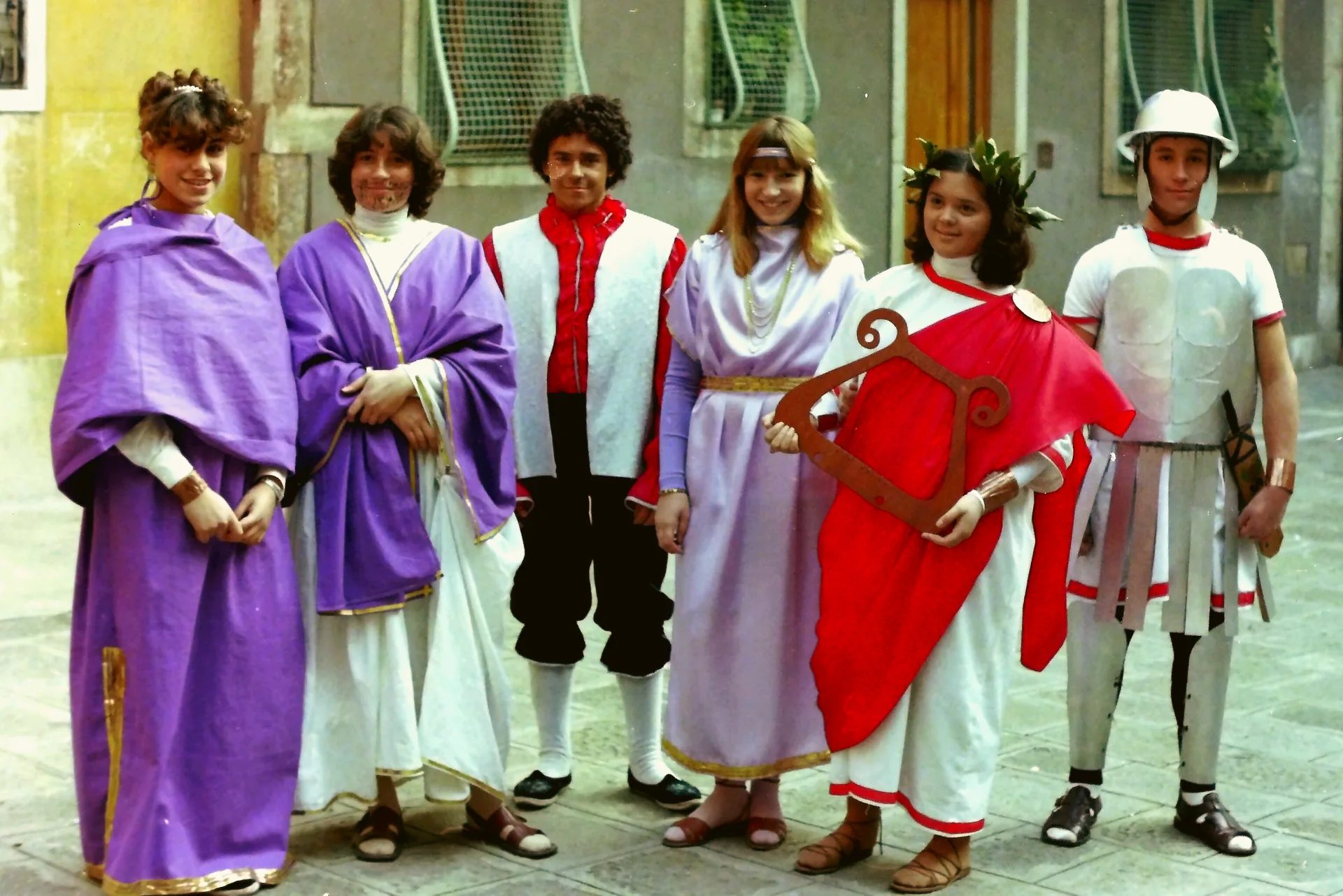
Choose Carnival weekdays for costumes and sightseeing, or the Biennale’s public exhibition season for a culture-led trip with more freedom over dates. Venice’s shorter celebrations are worth travelling for when their particular spectacle is your priority. If churches, galleries and unhurried walks matter more, avoid building your visit around the busiest waterfront evenings and headline public events.
Which festival period suits your trip?
- Costumes and sightseeing
- Carnival weekdays
- Art or architecture
- Biennale public exhibition season
- Fireworks and boats
- Festa del Redentore
- Sea ceremony
- Festa della Sensa
- Traditional rowing
- Regata Storica
- Cinema
- Film Festival public screenings
- Religious pilgrimage
- Festa della Salute
An event-led visit gives you a reason to devote an afternoon or evening to one place. An ordinary sightseeing trip needs more freedom to move, so a celebration that delights spectators can also interrupt your plans.
For a lower accommodation budget, keep your dates flexible rather than committing to a short headline celebration. A longer exhibition season lets you choose around room costs without giving up the main reason for travelling.
The recurring festival calendar
| Event | Recurring timing | Trip fit and cause |
|---|---|---|
| Carnival | Run-up to Lent; ends on Shrove Tuesday | Good for costumes; mixed for sightseeing |
| Festa della Sensa | Sunday after Ascension Day, which falls 40 days after Easter | Good for a spring sea ceremony |
| Festa del Redentore | Third weekend of July; Saturday-night fireworks | Good for spectacle; avoid for quiet waterfronts |
| Film Festival | Late August to early September | Good for cinema; busy on the Lido |
| Regata Storica | First Sunday of September | Good for rowing; crowded viewing banks |
| Art or Architecture Biennale | Art: typically late April/early May–late November; architecture: May–November; alternating, each every other year | Good for culture with flexible dates |
| Festa della Salute | 21 November | Good for pilgrimage; mixed for a casual church visit |
Carnival weekends and headline events concentrate crowds around St Mark’s Square, while weekdays are calmer. That difference matters if you want to combine costumes with time elsewhere in the city rather than spend your visit among the main gatherings.
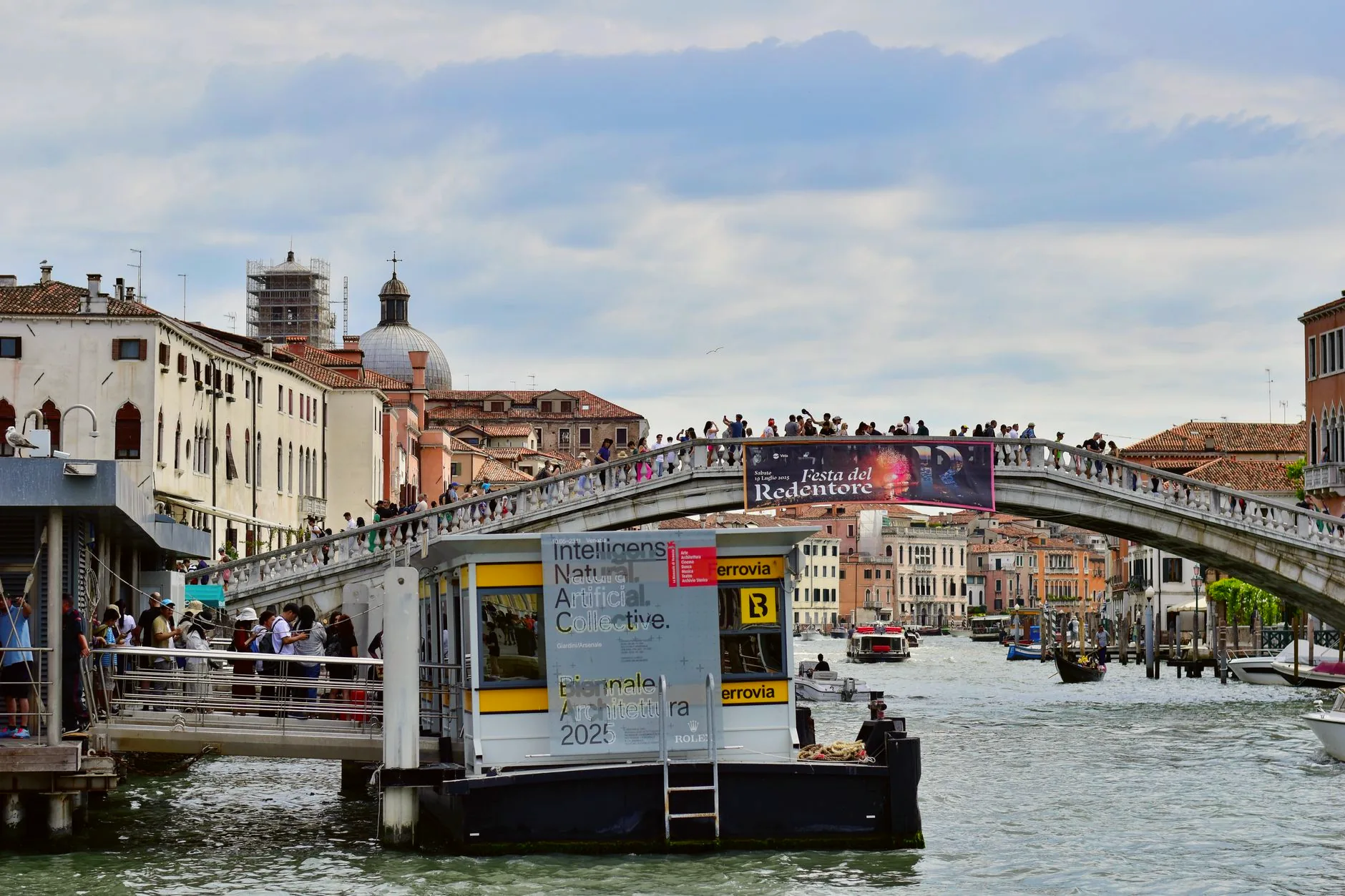
Redentore brings exceptionally large crowds to the Giudecca Canal and waterfronts, with boats gathering in the basin and canals. Treat it as an evening devoted to the celebration, not a convenient backdrop to a quiet waterside walk.
The Film Festival’s pressure is centred on the Lido, around the Palazzo del Cinema, the Excelsior and the approach from the waterbus. The historic centre keeps its usual tourist crowds rather than experiencing the same festival-specific surge.
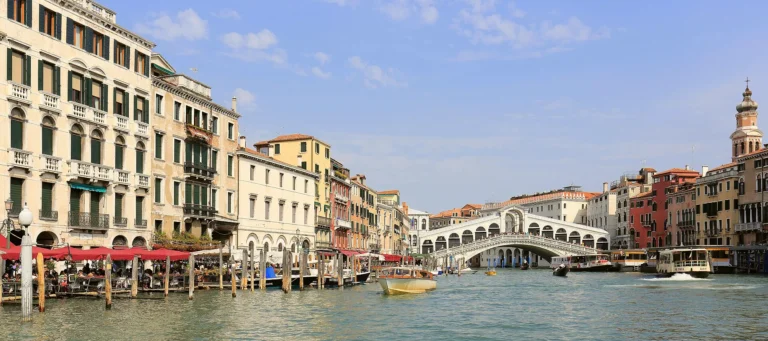
At Regata Storica, spectators fill Grand Canal banks and bridges well before the races, so arrive early for a clear view. Salute draws pilgrimage queues across the temporary bridge and around the basilica and Grand Canal. If attending neither occasion, give those gathering places more breathing room in your sightseeing plans.
Carnival
Carnival is Venice’s famous costume-and-mask festival, with public processions, street entertainers, open-air music and dancing. St Mark’s Square and the main thoroughfares are the settings for a visit built around seeing costumes, rather than entering a single festival venue.
You can enjoy these public-space activities without a Carnival event ticket. Watching the costumes and performances is a worthwhile reason for a short visit in its own right. Leave room to stop when something catches your attention rather than treating every square as a route to the next monument.
Private masked balls and palace parties require separate event tickets. The same applies to seated dinner shows and reserved-seat performances such as the Arsenale water show, and mask-making workshops and other booked activities may also charge separately. Decide whether you want to watch in public spaces or make a particular paid event the centre of your stay.
Wear warm layers for standing outdoors: watching a performance keeps you still for longer than an ordinary sightseeing walk. For more detail on experiencing Venice Carnival, consider the public activities and attendance choices that match the kind of visit you want.
Festa della Sensa
Festa della Sensa is Venice’s Ascension celebration, centred on the Sposalizio del Mare, or Marriage of the Sea. The symbolic ring-casting ceremony recalls the Doge wedding Venice to the sea, expressing the city’s historic relationship with the water.
The Riva degli Schiavoni provides a public waterfront setting for watching the ceremony in the San Marco Basin. Choose Sensa if you want a spring visit with a sea ceremony as its focus, rather than the costumes of Carnival or a programme of exhibitions.
Allow time beside the water to observe the occasion rather than squeezing it between indoor visits. Removable layers suit a spring waterfront outing: you can adjust them as conditions change without carrying a heavy winter coat throughout the day.
Festa del Redentore
Festa del Redentore, the Feast of the Redeemer, brings fireworks over the lagoon together with a traditional boat gathering and dinner on the water. The waterside spectacle is the reason to devote an evening to Redentore, whether you watch from land or make separate plans to be on a boat.
The Zattere and Riva degli Schiavoni are broad public waterfront settings for watching. Choose your side of the water with the evening in mind. A waterfront viewpoint makes the celebration the main activity, rather than something to catch briefly between other sights.
Maxim Pat · Pexels License · Edited
The religious observances have a different focus. Sunday’s celebration includes a temporary votive bridge to the Redentore church on Giudecca and a solemn Mass there. The church visit and the fireworks are distinct reasons to attend, so decide which matters to your trip rather than assuming the evening spectacle represents the whole occasion.
For the summer visit, wear light clothing and carry drinking water and sun protection, especially if you spend the afternoon outdoors before the celebration. Leave space in the day for a break before settling into your evening plans.
The Film Festival, Regata Storica and Biennale
The Film Festival, Regata Storica and Biennale offer three different ways to spend time in Venice: watching films, following a boat procession or exploring exhibitions. Choose the activity you want to give real time to, not simply the event name that coincides with your stay.
The Film Festival
The Venice International Film Festival suits a trip built around films you can attend, rather than the expectation of meeting celebrities. Select screenings designated for the public and buy through the festival’s online ticketing site. Industry accreditation is not needed for these screenings.
The Palazzo del Cinema on Lungomare Guglielmo Marconi, on the Lido, is the principal screening area. If you stay in the historic centre, allow a separate outing to the island instead of treating a screening as a quick stop between central sights. Your choice of film and venue should shape that outing. Keep your central sightseeing separate from the time you give to the festival. That leaves you free to enjoy the film itself, rather than making the journey to the Lido the only reason for going.
Regata Storica
Regata Storica, the historic regatta, begins with elaborately decorated ceremonial boats along the Grand Canal, followed by races in traditional Venetian rowing boats. It is a celebration you can enjoy as a spectator without joining a boat trip. Give the afternoon to watching the procession and races rather than trying to keep moving between attractions.
Public banks and bridges offer free viewing without a ticket. Reserved seating on the floating grandstand, known as the Machina, requires a ticket. Choose it if having a reserved place matters more to you than watching from a public waterside spot.
The Art and Architecture Biennale
The Art and Architecture Biennale rewards a visit in which exhibitions are a substantial part of the day, not a passing stop. The Giardini are the historic garden exhibition site, hosting national pavilions alongside spaces curated by the Biennale. The Arsenale, the other principal venue, presents major exhibition sections in historic shipyard spaces.
Choose the Biennale when you want culture without committing to one short celebration. Its longer public season gives you room to select dates and accommodation around your interests. Leave enough time to engage with the work at the Giardini and Arsenale rather than assuming that entering both venues is the same as enjoying their exhibitions.
Festa della Salute
Festa della Salute, the Feast of Our Lady of Health, is a religious pilgrimage to the Basilica of Santa Maria della Salute. Venetians cross a temporary votive bridge over the Grand Canal, light candles and pray, giving thanks or asking for protection.
Attend Salute as an occasion of worship, not an entertainment programme. If you are observing rather than taking part, let prayer set the pace of the visit and give those participating space. The bridge crossing and time at the basilica belong to the occasion, rather than being a shortcut to an ordinary church visit.
Warm layers are useful for the late-autumn outing, particularly when you stand outdoors. Plan a less hurried day around the pilgrimage so that the time you spend there does not compete with a tightly packed sightseeing schedule.
Public admission, clothing and room costs
- Choose Film Festival screenings designated for the public. Accredited screenings require the holder’s personal pass and reservation, subject to seats, while opening and closing ceremonies are invitation-only, even for accreditation holders.
- Use ordinary exhibition tickets for the public Biennale. Previews require the appropriate invitation or accreditation.
- At the Salute basilica, visitors may enter the main rotunda, but the minor rotunda is reserved for prayer and liturgical celebrations. Access may be temporarily restricted during special services, so leave room to pause your visit.
For two adults sharing a standard mid-range double room in the historic centre, allow roughly €250–€450 a night at short headline-event peaks, compared with around €150–€300 on less pressured dates within the wider exhibition season. Location, room quality and weekends move these indicative ranges.
Reserve accommodation once you have chosen an event-led window. Flexible exhibition dates give you more scope to compare rooms. Wear comfortable shoes for standing as well as walking, and carry a packable waterproof for outdoor celebrations.
Sources & fact-checking
Checks against the sources below cover: services.