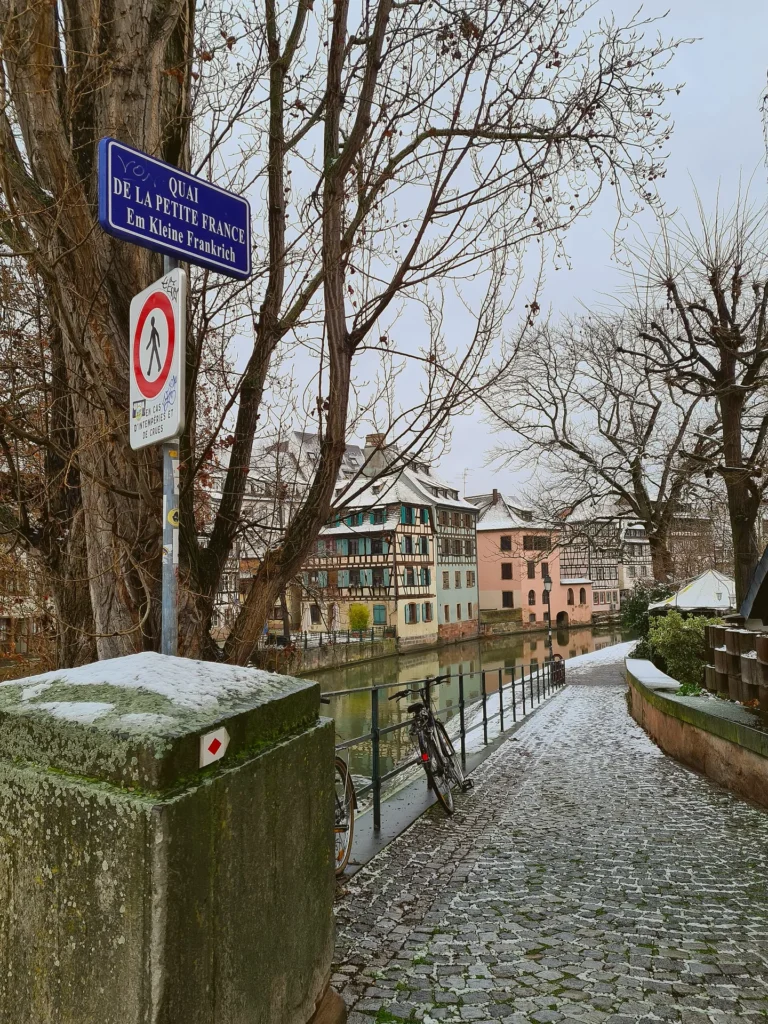
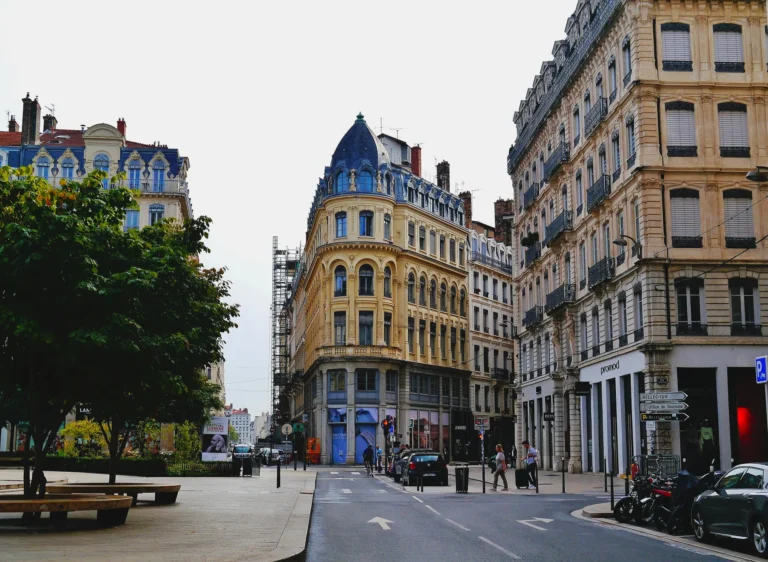
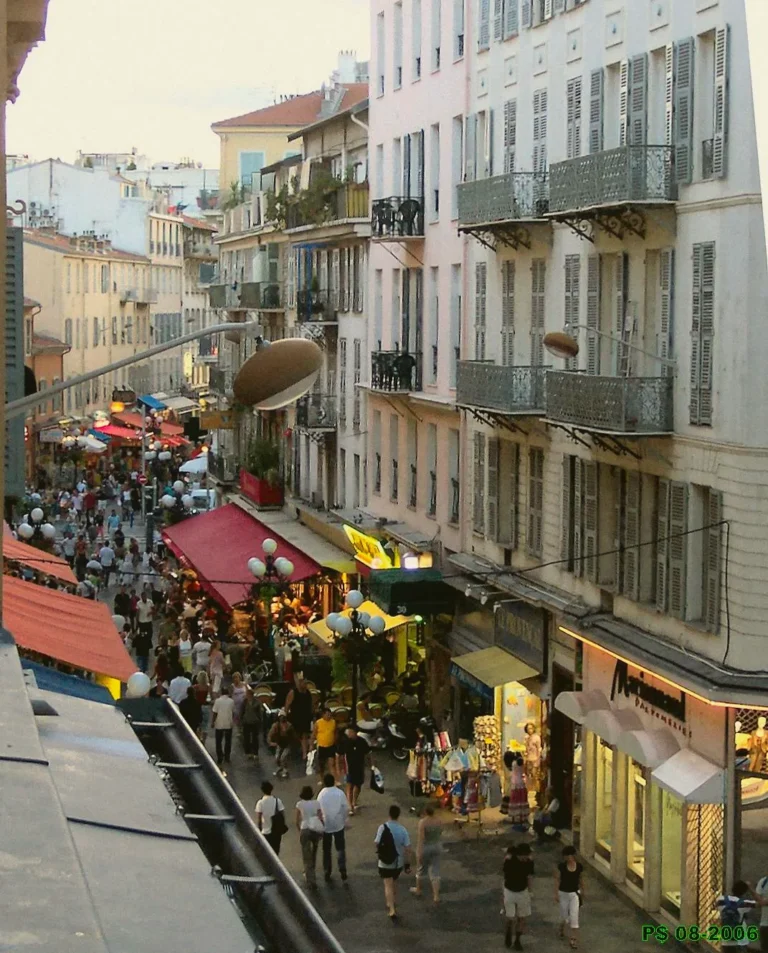
Choose Vieux Port for a first sightseeing stay in Marseille, Le Panier for historic lanes, Cours Julien for evenings near bars and music venues, or the Prado beachfront when beach time matters more than repeated trips into the centre. The deciding question is where you want to return after a day out: the harbour, an old-town square, streets lined with painted façades or the southern shore.
Vieux Port, Le Panier, Cours Julien or Prado?
| Criterion | Vieux Port | Le Panier | Cours Julien | Prado beachfront |
|---|---|---|---|---|
| Setting and search anchor | Harbour quays; Quai de Rive Neuve | Historic quarter north of the port; Place de Lenche | Street-art district east of the port; Cours Julien square | Southern waterfront; beaches along Avenue Pierre Mendès France |
| Journey to the Ombrière | Walking: about 550 metres, about 7 minutesBest | Walking: about 1000 metres, about 13 minutes | Walking: about 1 km, about 14 minutes | Public transport: about 6.3 km, about 34 minutes; bus 19, one change |
| Typical double room per night | €110–€180 | €90–€150 | €80–€140 | €100–€170 |
| Best fit | First sightseeing visit; frequent harbour returns | Historic lanes and terrace dinners | Street art, bars and live music | Beach-led stay and promenade walks |
The Ombrière, the canopy at the head of the Old Port, gives you a common landmark for comparing bases. The central areas are walkable to the harbour, while Prado makes it a transport journey. The anchors represent neighbourhoods, not every room within them: an address farther into Le Panier or behind the quays changes your walk.
For a beach stay, search along Avenue Pierre Mendès France rather than treating every Avenue du Prado address as waterfront. Inland Prado puts you in a different immediate setting. For the most appealing base, choose the surroundings you want to spend time in, not simply the district with the shortest journey.
The room-price ranges overlap: room size, outlook and building standard can outweigh the area difference. Summer beach demand, weekends and major events can push prices above these ranges. Marseille daily costs and budgets adds meals and other daily spending to the accommodation decision.
Vieux Port
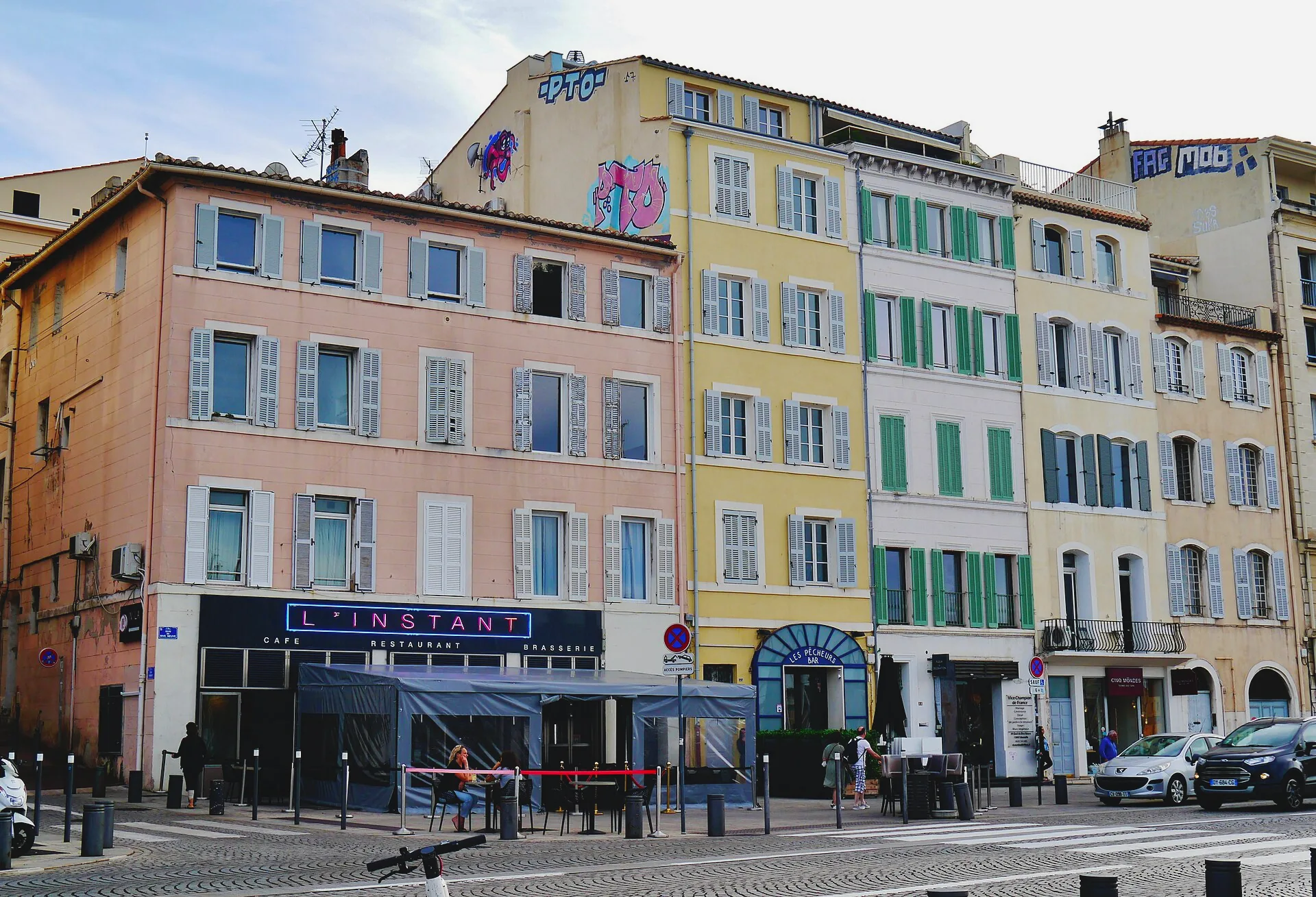
Vieux Port puts the harbour itself at the centre of your stay. Quai de Rive Neuve, on the south quay, is about 550 metres and about 7 minutes on foot from the Ombrière, but rooms on streets behind the waterfront have a different immediate outlook. Choose this base if you expect to return to the harbour between outings, rather than only seeing it once.
Around the Ombrière, metro services, buses and the ferry boat across the port give you alternatives to walking. Staying nearby makes it easy to combine a harbour stroll with another outing, or return for dinner without making the journey back a separate part of your evening.
Quai de Rive Neuve has restaurant terraces and pubs where people gather after dark. Some venues have live music, DJs, themed nights or dancing; the activity varies by venue and evening. A waterfront room can therefore put the evening you want downstairs, but that same location is a poor match if you want to turn in early.
Zairon · CC BY-SA 4.0 · Edited
Staying around Vieux Port
Pros
- Suits first-time sightseers who want direct harbour access.
- Restaurants and pubs close by make an evening near your room easy.
Cons
- Reject a room overlooking active quay venues if quiet at bedtime is essential.
- Accommodation behind the waterfront trades the immediate harbour outlook for a different street setting.
Le Panier
Le Panier, the historic quarter north of the Old Port, rewards staying for its streets rather than just its proximity to the water. Place de Lenche is a useful search anchor: an open café-and-restaurant square contrasts with the narrow, winding lanes climbing through the quarter.
Choose Le Panier if wandering historic lanes is part of the stay you want. From Place de Lenche, the Ombrière is about 1000 metres and about 13 minutes on foot away. Returning repeatedly means making the longer walk each time. The climbing streets also make the precise room address worth considering when you will be carrying luggage.
Place de Lenche offers terrace dinners and drinks after dark. Some venues hold occasional music or DJ evenings, rather than making them a nightly feature. Staying beside the square places you close to that activity. Choosing the old quarter does not automatically mean choosing a quiet room.

Benoît Prieur · CC0 · Edited
Staying in Le Panier
Pros
- Suits travellers who want historic lanes outside their door.
- Place de Lenche offers a square for terrace meals between walks.
Cons
- Choose Vieux Port instead if direct harbour access matters more than the old-town setting.
- Reject a square-facing room if evening terrace activity would spoil your sleep.
Cours Julien
Cours Julien lies east of the Old Port, around its named square and Place Notre-Dame-du-Mont. Murals, graffiti and colourful painted façades make street art part of the everyday street setting, rather than something you need to enter a gallery to see. This is a base for spending time in the neighbourhood as well as heading down to the harbour.
Café and restaurant terraces, bars and live-music venues draw people to Cours Julien and its surrounding streets in the evening. Choose it when being near evening venues matters more than a waterfront address. You can go out locally without making the harbour the focus of every night.
From Cours Julien, the walk to the Ombrière is about 1 km and about 14 minutes. The Old Port is accessible, but you are staying away from the quays. That separation suits a trip built around different parts of the city; it is less attractive if most outings begin and end beside the boats. A room close to the square’s evening activity is also a poor choice for a traveller whose priority is quiet.

Fred Romero from Paris, France · CC BY 2.0 · Edited
Staying around Cours Julien
Pros
- Suits street-art enthusiasts and travellers who want bars or live music nearby.
Cons
- Reject it if quiet evenings or a harbour-side room are the main reason for your stay.
Prado beaches
The Prado beachfront along Avenue Pierre Mendès France gives you a chain of free-access beaches, not one enclosed resort. Public shore access extends for about 3.5 km from the David statue towards Vieille Chapelle, with a pedestrian promenade and lawns behind the beaches. Choose a waterfront address here for a beach-led stay, rather than an inland Avenue du Prado room.

Jeanne Menjoulet from Paris, France · CC BY 2.0 · Edited
The daytime journey from the Prado beach anchor to the Ombrière is about 6.3 km and about 34 minutes by public transport, using bus 19 with one change. Returning to your room between sightseeing stops therefore becomes a separate outing, rather than a quick detour from the harbour.
Bus 83 connects the Old Port and Prado beaches year-round. Summer brings articulated buses and afternoon departures up to every 6 minutes. Summer evening service is reinforced from 21:00 to 01:00, with departures every 15 minutes. This gives you another connection between the harbour and the beaches.
Staying on the Prado beachfront
Pros
- Suits a beach-led trip, with public beaches and promenade walks nearby.
Cons
- Reject it for a short sightseeing-first stay with frequent centre returns.
- Late evenings in the centre mean planning the bus leg back.
Which base fits your stay?
- Choose Vieux Port for a first sightseeing visit and frequent harbour returns, but reject a room above active venues if quiet is essential.
- Choose Le Panier for historic lanes, but prefer the quays if you want the most direct harbour access.
- Choose Cours Julien for street art and evenings near venues, but reject it for a quiet, waterfront-focused stay.
- Choose Prado for beach time, but reject it if repeated centre journeys would interrupt your day.
- If your preferred harbour room is unsuitable, Le Panier is the fallback: Place de Lenche adds about 6 minutes each way to the Ombrière compared with Quai de Rive Neuve. That extra walk matters more when you return several times daily.
Let your evenings decide between otherwise suitable rooms.
Sources & fact-checking
Checks against the sources below cover: services.