Munich’s Weißwurst breakfast is a particular morning ritual, but a bakery roll is just as plausible if you want to get moving. Later, a Brezn or a hot Leberkässemmel makes a quick snack, while a traditional inn gives you time for roast pork, dumplings and a glass of Helles. Start with the time you want to eat, then choose the dish: several of the favourites associated with the city are Bavarian specialities you will find well beyond Munich.
What and when to eat
| Choice | What it is | When | Typical price |
|---|---|---|---|
| Weißwurst breakfast | White sausages, mustard, pretzel | Morning, traditionally before noon | €8–14, without beer |
| Brezn | Salted soft pretzel | Breakfast or snack | €1–3 at a bakery |
| Leberkässemmel | Hot meat-loaf roll | Morning or lunch snack | €3–6 |
| Obatzda | Soft-cheese spread | Late morning or afternoon | €6–11 a portion |
| Schweinebraten | Sliced roast pork and dumpling | Lunch or dinner | €16–25 |
| Schweinshaxe | Roast pork knuckle | Lunch or dinner | €20–30 |
| Käsespätzle | Egg noodles with cheese | Lunch or dinner | €13–20 |
| Schmalznudel | Fried yeast pastry | Afternoon with coffee | €2–5 at a counter |
| Helles | Pale malt-forward lager | With a meal or snack | €4–9 a glass |
Weißwurst and Helles are closely linked to Munich. Brezn, Obatzda, roast pork and pork knuckle belong to the wider Bavarian table. For an ordinary breakfast instead of the sausage ritual, try a bakery roll or coffee and a simple café breakfast. Weißwurst belongs to the morning. A counter roll or pastry makes a short stop, while lunch around midday or dinner in the evening is a chance to sit down for an inn main.
Allow roughly €5–12 for coffee and a simple bakery or café breakfast, depending on what you order. Sitting down at a café can cost more than buying at the counter. A separate cover charge is not normally part of a Munich restaurant bill, though you pay for what you order at the table. If you are arranging food stops around museums and walks, the five-day Munich sightseeing itinerary gives those days a shape without making every meal a fixed appointment.
Weißwurst breakfast
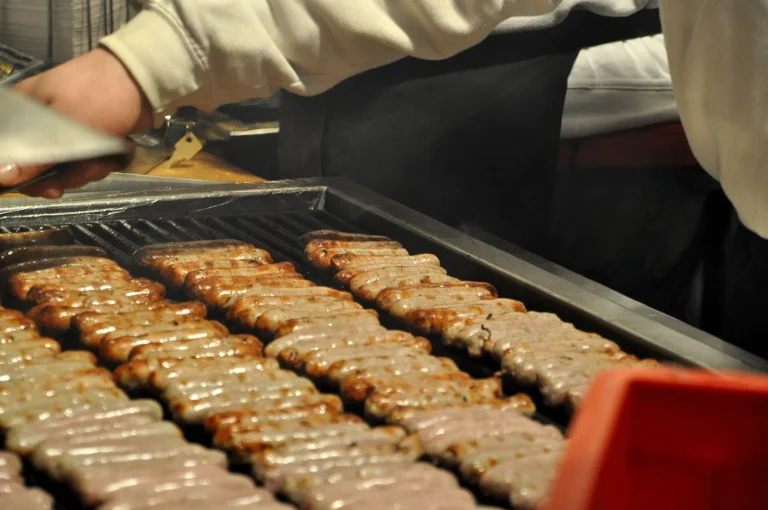
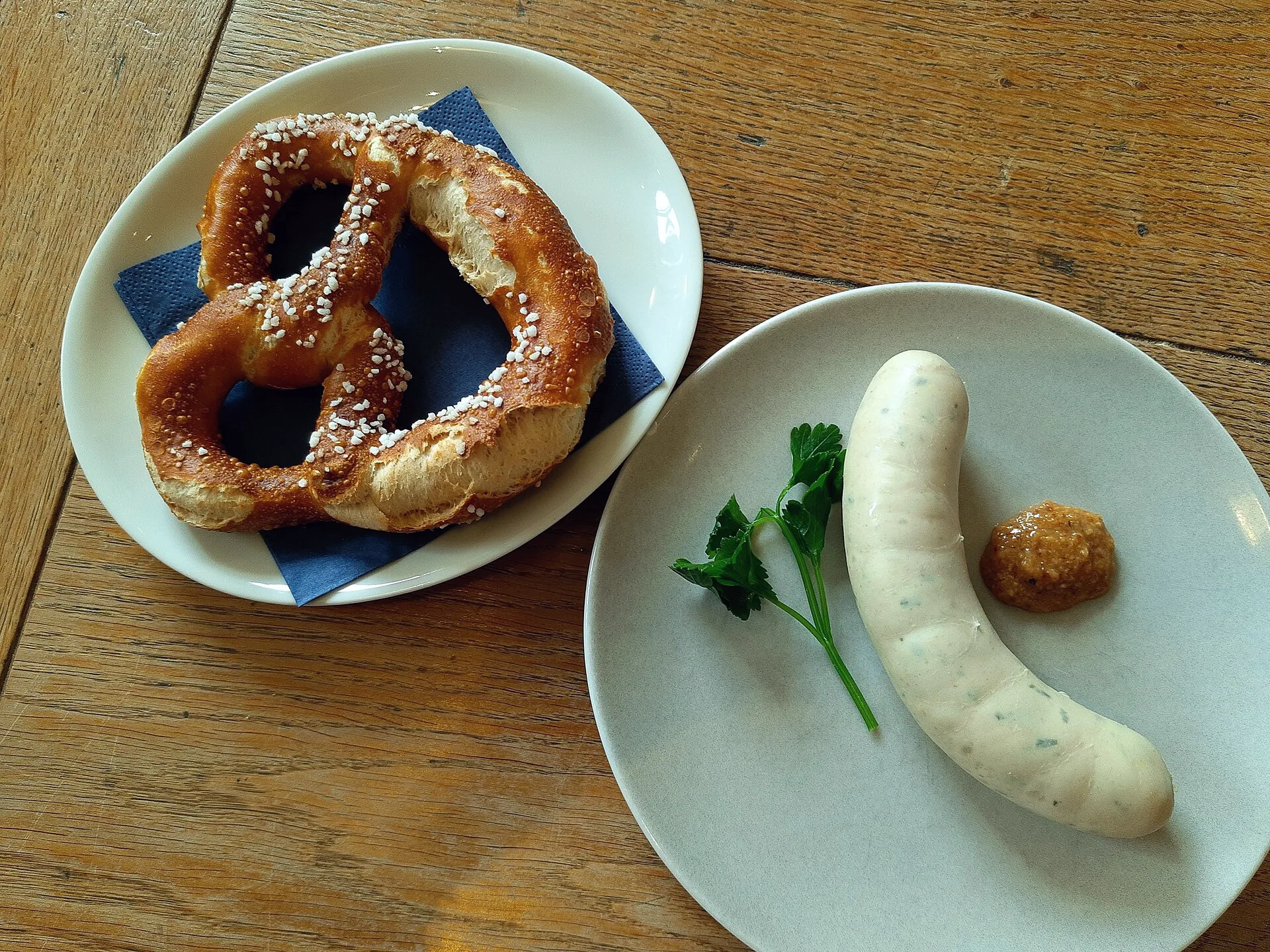
Weißwurst is Munich’s distinctive white-sausage breakfast, not the default breakfast at every café. The pale sausage combines finely minced veal and pork back bacon, with parsley, mace, lemon, onion, ginger and cardamom. Its flavour is mild rather than heavily smoky or peppery. At a traditional inn or beer hall, order a portion for a leisurely morning rather than expecting it as a grab-and-go roll.
The sausages arrive warm in hot water, with sweet mustard and a Brezn, often alongside a wheat beer. Traditionally you eat them before noon, but noon is a custom, not a universal service deadline. The price of breakfast depends on the number of sausages and where you sit, and adding wheat beer increases the bill, usually by around €4–7 depending on size and venue.
The casing is usually left behind. You can slit it lengthwise and lift out the filling with a knife and fork, or try the traditional zuzeln, drawing the filling out while holding the sausage. Either way, the bowl keeps the remaining sausages warm while you eat, so take one at a time onto your plate.
Gerda Arendt · CC0 · Edited
Brezn
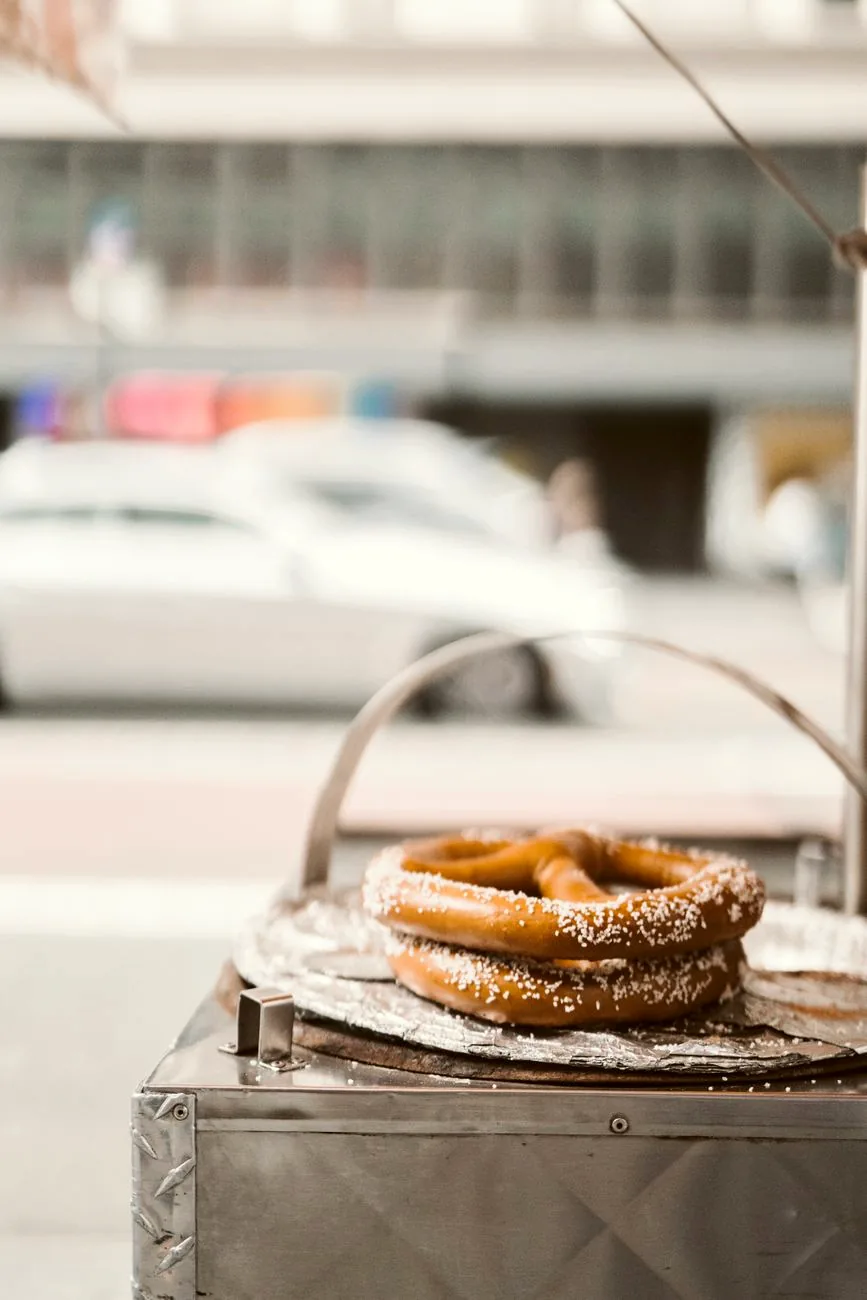
A Brezn is a knotted Bavarian soft pretzel: crossed arms frame a thick middle, and a lye bath gives its wheat-and-yeast dough a glossy deep-brown crust. Coarse salt on the outside and a soft, chewy centre make it more substantial than a crisp packaged pretzel. Look for a well-browned surface and a thick belly if you want that contrast of crust and soft bread.
Buy one at a bakery for breakfast or as a snack, or have it beside a beer in a beer garden or beer hall later in the day. It also comes with the white-sausage breakfast. Size affects the bakery price, and seated service can cost more. If the pretzel comes as a side with another dish, wait to see the portion before ordering a second.
Taryn Elliott · Pexels License · Edited
Leberkässemmel
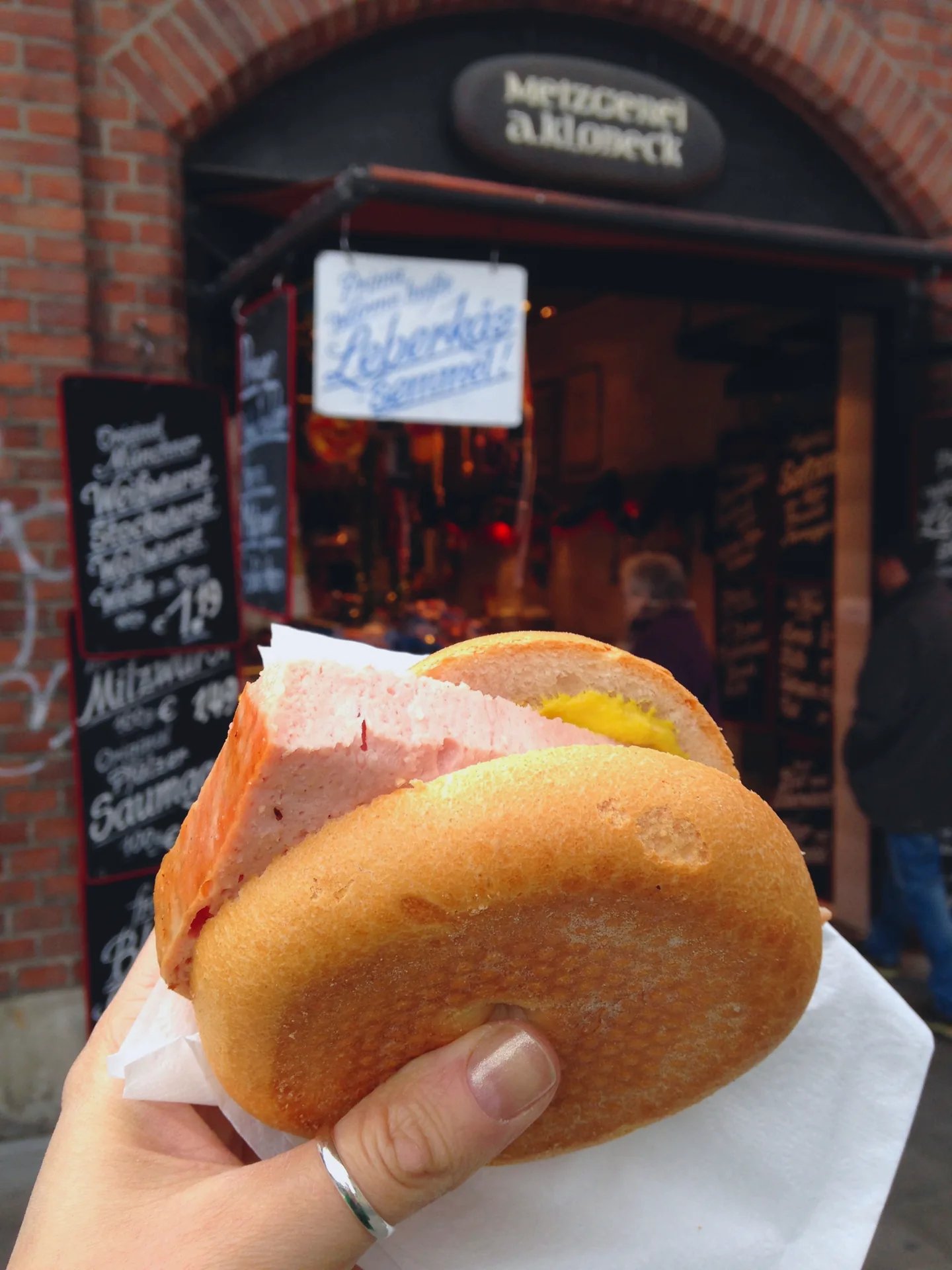
For a hot snack, Leberkässemmel is a slice of baked meat loaf in a bread roll. The smooth loaf is made from finely minced beef and pork, traditionally with bacon, salt and spices, then baked until its top browns. Despite the name, Munich-style Leberkäs contains neither liver nor cheese. The roll gives you a warm, filling alternative to a cold bakery sandwich.
At a butcher’s or bakery counter, ask for a Leberkässemmel and choose a thin or thick slice and sweet or spicy mustard. It suits a morning break or a quick lunch, rather than a long inn meal. A thick cut costs more than a thin one. Eat the roll while the meat is hot and the browned edge still contrasts with the soft centre.
WordRidden · CC BY 2.0 · Edited
Obatzda
Obatzda is a spread of ripe soft cheese and butter, coloured and flavoured with paprika, salt and pepper. Camembert is a common base, and onion, a little beer or caraway may add bite. It is creamy and tangy rather than a sliceable cheese, so spread it onto bread or tear off pieces of Brezn to scoop it up.
It belongs to Brotzeit, a light Bavarian cold snack, especially in the late morning or afternoon. At a beer garden or traditional inn, it may arrive with bread or a pretzel and radishes or onion. Accompaniments and setting affect the portion price. If you are sharing, order one portion first and see how much bread comes with it before adding another snack. It makes a lighter pause between breakfast and an evening inn meal.

Rainer Z · CC BY-SA 3.0 · Edited
Schweinebraten
Schweinebraten is roast pork served in slices, not an entire knuckle. The pork is often a rind-on shoulder or another roasting cut. Tender meat and sometimes crisp rind sit under a dark gravy made from the roasting juices with beer or stock. A bread or potato dumpling catches the gravy, with red cabbage or sauerkraut alongside. It is a substantial Bavarian inn main course for lunch or dinner.
Choose it when you want roast pork but not the scale of a whole Schweinshaxe. The inn, cut and portion affect the cost of this main, and a drink is extra. If the menu gives a choice of bread or potato dumpling, the bread version has a firmer, bread-like bite while the potato version is softer.

Benreis · CC BY-SA 4.0 · Edited
Schweinshaxe
Schweinshaxe is a whole roasted pork knuckle, with tender meat beneath crisp skin. It is seasoned, often with garlic and caraway, and served with gravy, potato dumplings and red cabbage or sauerkraut. This is a Bavarian speciality across the region, not a dish particular to Munich. A traditional inn is the place to have it for lunch or dinner.
The bone and skin make the serving noticeably different from slices of Schweinebraten. If you are choosing between the two at an inn, pick the knuckle when you want a large, crisp-skinned main and have time to sit down for it. Size and the inn affect the price. Ask about the portion before ordering if you are eating alone, because a whole knuckle may make a second main unnecessary.

Takeaway · CC BY-SA 3.0
Käsespätzle
For a meat-free inn main, Käsespätzle are short, soft egg noodles coated in melted cheese, commonly Emmental or mountain cheese, topped with browned onions. The little noodles are pressed or scraped into boiling water, then combined with the cheese. They give you a substantial lunch or dinner rather than a small pasta side, and the onion topping cuts through the rich cheese.
On a Munich menu you may see Kasspatzn instead of Käsespätzle. It refers to the same cheese-noodle dish, though spellings vary. Portion and cheese affect the price of an inn main. Meat-free does not mean vegan here: egg in the noodles and dairy cheese are central to the dish. If avoiding meat strictly, ask about additions in that inn’s version rather than assuming every kitchen makes it identically.

Benreis · CC BY-SA 4.0 · Edited
Schmalznudel
A Schmalznudel is a round, lard-fried yeast pastry with a thin centre and puffed rim. Its enriched dough contains milk, butter and egg, and it is often finished with icing sugar. It may appear as Auszogne. Look for the broad, stretched centre rather than the filled middle of a doughnut. The airy rim and thin middle make each bite different.
Have one as an afternoon sweet with coffee from a pastry counter. Size and whether you sit down affect the cost. Café Frischhut near Viktualienmarkt is known for freshly fried Schmalznudeln, a useful walk-in reference if you are already in the market area. A seated coffee adds to the cost of the pastry.
- Name
- Café Frischhut
- Location
- Near Viktualienmarkt, Munich Maps
- Site
- schmalznudelcafefrischhut.shop
- Hours
- Mon–Sat 09:00–18:00
- Sun Closed
- Typical visit
- 20 minutes
- Essential fact
- Pastry café associated with Schmalznudeln.
- Price range
- €
Helles
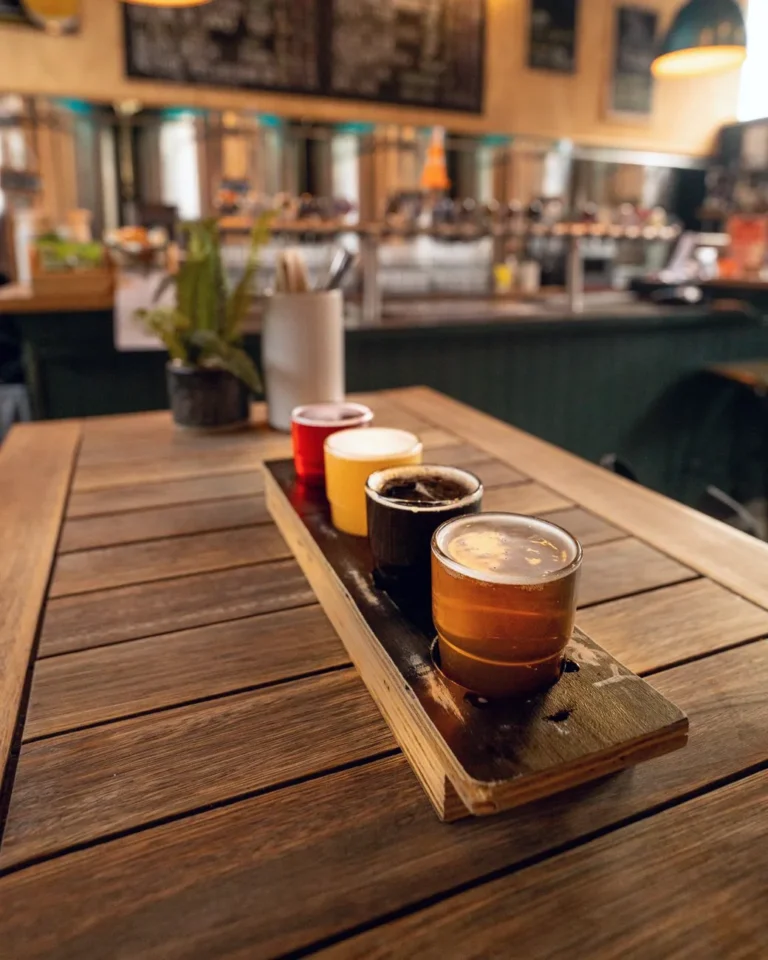
Helles is Munich’s pale, gently sweet lager, brewed mainly from barley malt with restrained bitterness. Spaten introduced the style in Munich in 1894 as a local answer to Czech Pilsner. Order a Helles with a meal or a Brezn at a beer hall, beer garden or traditional inn.
It differs from Weißbier, the wheat-based beer often served with Weißwurst: that beer is typically fruitier and spicier, sometimes showing banana and clove notes. If you would rather have a soft malt taste than those wheat-beer flavours, ask for Helles. Glass size and setting affect the price. A larger pour or a seated venue costs more. Both styles are offered in Munich, so choose the one you want alongside the food.
Thomas Wolf , www.foto-tw.de · CC BY-SA 3.0 de · Edited
Sources & fact-checking
Checks against the sources below cover: closures.