Choose Granada for a history-led break centred on the Alhambra. Choose Málaga for museums, city sightseeing and time by the sea. Granada’s Albaicín gives you a hillside neighbourhood to explore beyond the palace complex. Málaga puts the Alcazaba, art collections and waterfront into a city break that can also include La Malagueta beach.
Neither city is the better base for everyone. Your comfort on hills, arrival airport and appetite for beach time matter as much as the headline sights. If you have time to change bases, start in Málaga and continue to Granada rather than treating the Alhambra as a hurried outing.
Granada and Málaga at a glance
| Criterion | Granada | Málaga |
|---|---|---|
| Sightseeing focus | Alhambra and Albaicín; palace and neighbourhood history | Alcazaba, art museums and waterfront |
| Beach access | Inland city; coast requires a separate journey | La Malagueta beach beside the cityBest |
| Sightseeing terrain | Albaicín: slopes, cobbles, steps; Alhambra: sustained uphill approaches | Centre: mostly flat, some uneven paving; Alcazaba: uphill cobbled paths, ramps, steps |
| Central mid-range double room | About €90–150 per room per night | About €110–170 per room per night |
| Casual main course and drink | About €12–20 per person per meal | About €15–23 per person per meal |
Granada is usually the less expensive choice on these assumptions: both ends of the room range are €20 lower, and both ends of the meal range are €3 lower. The ranges overlap, so a particular hotel or restaurant can reverse that difference. Weekends, high-demand dates and rooms with views tend to push accommodation upwards, while waterfront tables and more elaborate meals push dining upwards.
Málaga is the easier choice if you want to keep everyday sightseeing on level streets, though the Alcazaba is a separate consideration if steep paths or steps are difficult for you. In Granada, supportive shoes are useful for neighbourhood exploring, and you may prefer to separate the Alhambra visit from a long Albaicín walk rather than tackle both in one outing.
Historic quarters, museums and the waterfront
Granada rewards time among its neighbourhoods as well as at its best-known monument. Málaga offers a different rhythm: you can give a substantial part of the day to paintings or contemporary art, then leave the museum for the port rather than another historic quarter.
Neighbourhoods, art and evenings
Granada as a short-break base
Pros
- Staying overnight leaves room for the Albaicín and Sacromonte, known for its cave dwellings and flamenco associations, rather than just the palace visit.
- The Cathedral and Royal Chapel add Renaissance architecture and the tombs of the Catholic Monarchs to a palace-led stay.
- Realejo, the former Jewish quarter, offers a different neighbourhood evening around Campo del Príncipe.
Cons
- A stay built around the Nasrid Palaces has less freedom to rearrange its main sightseeing day.
- Busy tapas streets can make a central room noisy late into the evening; room position matters.
Málaga as a short-break base
Pros
- The Roman Theatre below the Alcazaba brings Roman and Islamic history together in one central setting.
- The Carmen Thyssen Museum’s Spanish painting and Centre Pompidou’s modern and contemporary art offer distinct museum experiences.
- Muelle Uno’s harbour promenade makes waterfront dining part of the city stay, not a separate excursion.
Cons
- A room among the historic centre’s dining and nightlife streets can mean evening noise.
- Choosing a beachside base puts everyday museum visits farther from your doorstep than a historic-centre room.
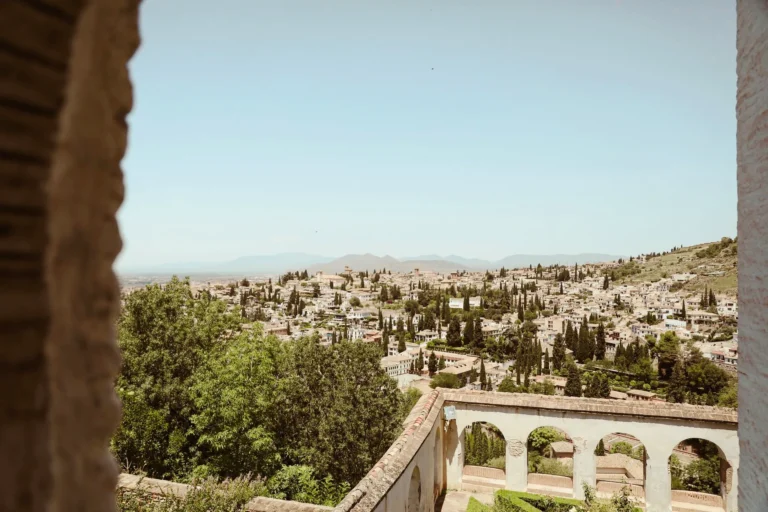
Granada is worth an overnight stay if you want more than the Alhambra. In the Albaicín, the neighbourhood opposite the palace hill, give yourself room to follow lanes and pause at viewpoints. Tapas, small dishes served with drinks or ordered separately, suit a neighbourhood-led evening, but do not assume every bar includes them free.

Rosa Armada · Unsplash License · Edited
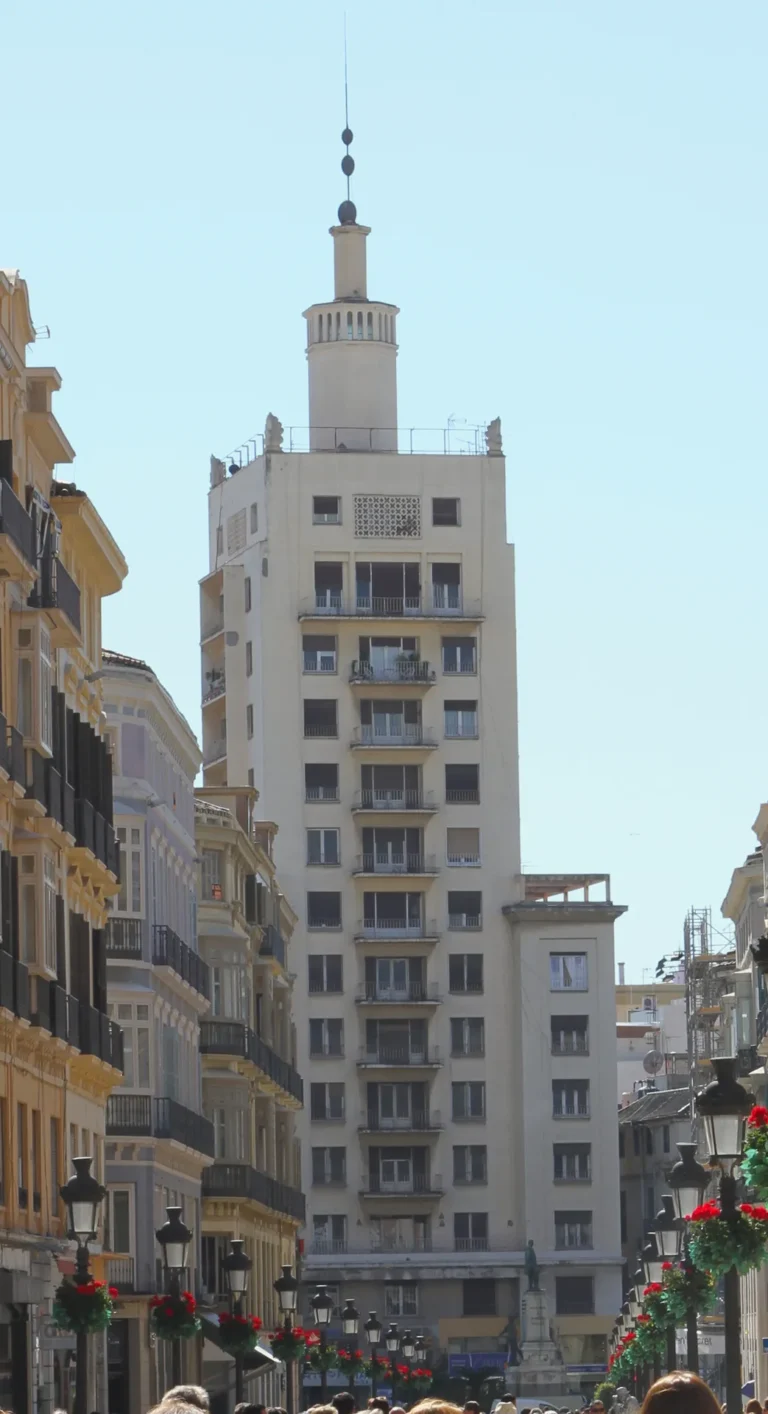
Málaga’s Centre Pompidou sits at the port beneath its colourful cube, making art and waterfront time natural companions. La Malagueta is the city beach beyond the harbour, useful when you want a beach break without changing bases.

Zarateman · CC0 · Edited
In both cities, keep bags closed and phones secure in crowded squares, on public transport and while watching street activity. Leave valuables off café tables.
Alhambra tickets and Nasrid Palaces entry
The Alhambra’s Nasrid Palaces reward attention to their courtyards, carved decoration and water features. Reserve a visit including the palaces in advance through the official online reservation system, then build your Granada sightseeing day around that visit.
If buying or collecting tickets at the monument’s ticket office, do so at least one hour before your assigned palace entry time. Carry your original ID card or passport and the ticket’s QR code. Allow for reaching the palace entrance within the complex, not simply arriving at the Alhambra.
Where to stay and how to arrive
For a first Granada stay, choose the Cathedral or Plaza Nueva area if you want central sightseeing without a hillside address. The Cathedral area suits the lower city’s monuments and dining streets. Plaza Nueva sits at the foot of the Albaicín and gives you a useful starting point for exploring the neighbourhood and the routes towards the Alhambra.
An Albaicín room makes the historic hillside part of your stay, but the setting comes with luggage on slopes, cobbles or steps. Choose it for the neighbourhood itself rather than simply because it appears close to the palace on a map. In any central base, a room away from a busy dining street can be more important for sleep than a prestigious address.
In Málaga, the historic centre around Plaza de la Constitución suits a museum-led stay, with restaurants and evening activity close by. Choose La Malagueta if frequent beach time matters more than being among the central museums. It is a beachside urban neighbourhood, not a separate resort, so you can still combine it with port dining and visits to the old city.
Málaga–Costa del Sol Airport is the main practical international gateway for either city, with direct connections from many European destinations. For Málaga, arriving there keeps the onward journey local. For Granada, the road journey from that airport is about 1.5–2 hours, so an arrival day needs room for travel before sightseeing.
Granada Airport, Federico García Lorca Granada-Jaén, is the closest airport to Granada, but its international connections are limited. Seville Airport is another possibility, roughly 2.5–3 hours from Granada by road, and a much less convenient gateway for Málaga. A useful flight to Granada itself can change the choice. Otherwise Málaga is usually the more straightforward international arrival.
Alsa operates a direct coach from Málaga Airport to Granada bus station. For a Granada-only stay, the airport coach avoids travelling into Málaga just to change cities. Granada bus station is outside the historic centre, so allow for the onward urban journey to your accommodation.
Winter, summer and busy dates
Granada is colder than Málaga in winter. January’s long-term mean temperature is 6.5 °C at Granada Airport and 13.3 °C at Málaga Airport. For an evening-led Granada stay, bring warm layers rather than dressing only for daytime sightseeing. Málaga is the gentler choice for winter waterfront walks, but a winter beach visit is not the same as a swimming holiday.
July’s mean daily maximum reaches 34.8 °C at Granada Airport, compared with 30.5 °C at Málaga Airport. In either city, put exposed outdoor visits early in the day and leave space for an indoor break. Málaga’s museums give you a natural alternative to prolonged time in the sun, while Granada’s palace appointment should shape the rest of the day, with a relaxed break afterwards.
Holy Week processions can be watched free from public streets. The central official route through the Calle Larios and Alameda area has paid, reserved seating. A stay here during Holy Week suits you if the processions are part of the attraction, but ordinary sightseeing and returning to your room need more patience.
Combining Málaga and Granada
With time for two bases, stay in Málaga first, then Granada after arriving through Málaga Airport. As a starting allocation, allow two nights in each: Málaga gets an art-and-waterfront day, while Granada gets the Alhambra and a neighbourhood evening. Add a Granada night for a stronger history focus, or a Málaga night for more beach time. Secure the palace admission before settling the Granada dates.
Granada can be worth a day trip from Málaga if the Alhambra is your single priority and its entry slot fits your journey. An overnight stay is more rewarding if you also want the Albaicín or a relaxed evening: you avoid having to leave the city just as its neighbourhood restaurants become part of the visit.
| Component | Distance | Travel time |
|---|---|---|
| Walk to Málaga bus station | about 1.7 km | about 24 minutes |
| Direct coach to Granada bus station | about 91 km | about an hour and a half |
| Urban bus and walk to Plaza Nueva | about 3.6 km | about 19 minutes |
From Granada bus station, take line 33 at the stop in front of the main entrance, get off at Catedral and walk to Plaza Nueva. The adult single urban-bus fare is €1.60, including 60 minutes of free transfers between lines. Keep the final walk in mind when choosing luggage for the change of base.
Direct intercity coaches run about 40 times daily, with departures from Málaga bus station between 05:30 and 23:15. Depending on stops, journeys take 1 hour 30 minutes to 2 hours 30 minutes. Alsa’s published one-way fares start at €8 per ticket and vary by service and booking. Leave time at the station before departure rather than treating the journey components as an uninterrupted trip.
There is also a direct train: Renfe’s Avant service connects Málaga María Zambrano with Granada without a change. Rail is an alternative to the intercity coach, with a different arrival station in Granada.
Which city fits your short break?
- Choose Granada for history if you want the Alhambra, the Albaicín and time in neighbourhoods beyond a single monument, and can build the stay around palace admission.
- Choose Málaga for art and coast if museum visits, waterfront meals and an urban beach are your preferred mix.
- Choose Málaga for easier everyday walking if repeated hills are a concern, while remembering that its Alcazaba still involves steep paths and steps.
- Lean towards Granada for lower everyday spending on a central mid-range room and casual meals outside major events, but individual hotel choices can outweigh the usual difference.
- Choose Málaga for a milder winter waterfront break, not on the assumption that winter beach time means swimming. Choose Granada if historic sightseeing matters more than warm evenings.
- Choose Málaga for the simplest arrival through Málaga Airport when you have only a short stay. Granada remains practical if your flight or onward coach journey leaves enough time there.
- Choose both if you have time to enjoy each and change bases: follow the Málaga-then-Granada order, with Granada’s palace visit secured first.
For a very short stay, allow yourself an unhurried evening in your chosen base rather than another excursion.
Sources & fact-checking
Checks against the sources below cover: fares and charges, services, and key figures.