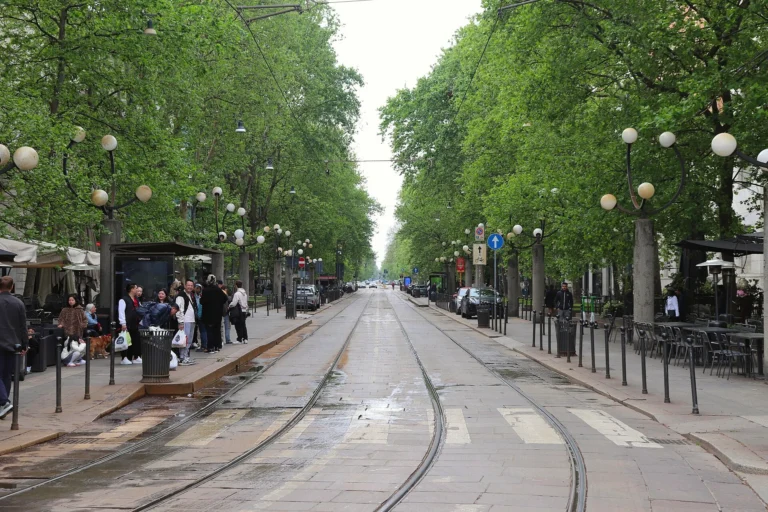
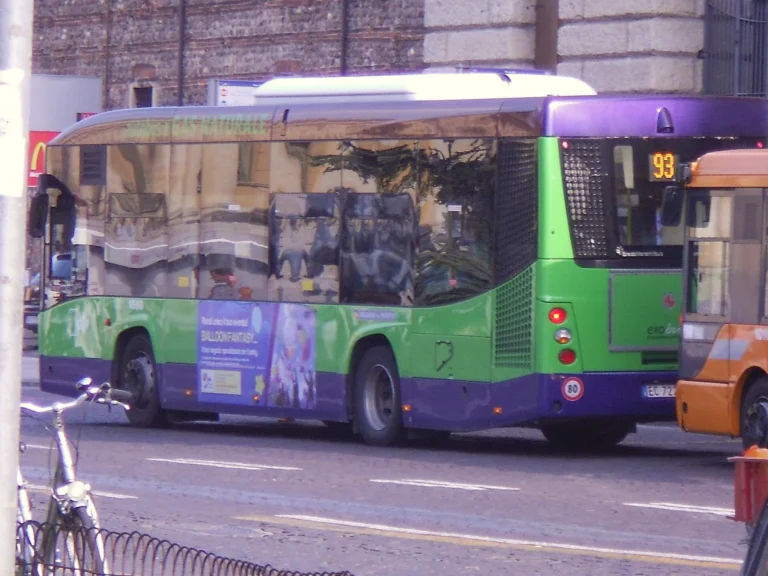
Milan’s tram line 1 gives you a surface-level ride through the centre, while line 9 connects Milano Centrale with Porta Genova, beside the Navigli canals. Choose the line number and destination together: the right number on a tram heading the other way will not get you to your stop.
At Centrale, the tram boarding point is distinct from the metro interchange. Once aboard, the essentials are straightforward: validate a paper ticket or tap a contactless card or device, then request your stop before getting off.
Reading the tram map
- Line 9 first services
- 04:00–04:30
- Line 9 last services
- 02:00–02:40
- Surface-network evening interval
- Every 15–30 minutes from about 21:00
- Ticket media
- Valid ticket or pass; contactless card or compatible device
- Contactless networks
- Mastercard, Visa, American Express, Maestro, VPay
- Compatible devices
- Smartphones and smartwatches
Walking is the starting choice for short journeys between central sights, while trams are useful for longer city journeys, including the station and Navigli connections. On the tram map, follow the line number to your stop, then identify the destination for that direction. The tram’s display should match it.
Labels such as M1 and M2 mark metro interchanges, not tram route numbers. A station label tells you where you can change modes, but it does not necessarily identify the tram’s boarding point.
Temporary diversions and replacement services appear on ATM’s service notices. If your line is diverted, use the replacement boarding stop, rather than waiting at its usual platform.

Vale93b · CC BY-SA 4.0 · Edited
Trams 1 and 9: useful stops
| Line | Stop | Direction | Destination served |
|---|---|---|---|
| 1 | Cadorna FN M1 M2 | Greco Rovereto | Cadorna; metro interchange |
| 1 | Via Grossi | Greco Rovereto from Cadorna | Cordusio; Cathedral area |
| 9 | Stazione Centrale/via Tarra | Porta Genova | Milano Centrale boarding |
| 9 | P.Ta Venezia M1 | Porta Genova | Porta Venezia; M1 interchange |
| 9 | P.Ta Genova M2 | Porta Genova | Navigli canals; M2 interchange |
Line 1 is the choice for a central sightseeing ride. Seeing the centre from a tram makes the ride part of the visit rather than simply a way of reaching the next sight. Line 1 also passes through the Porta Venezia area, including Viale Vittorio Veneto.

Arbalete · CC BY-SA 3.0 · Edited
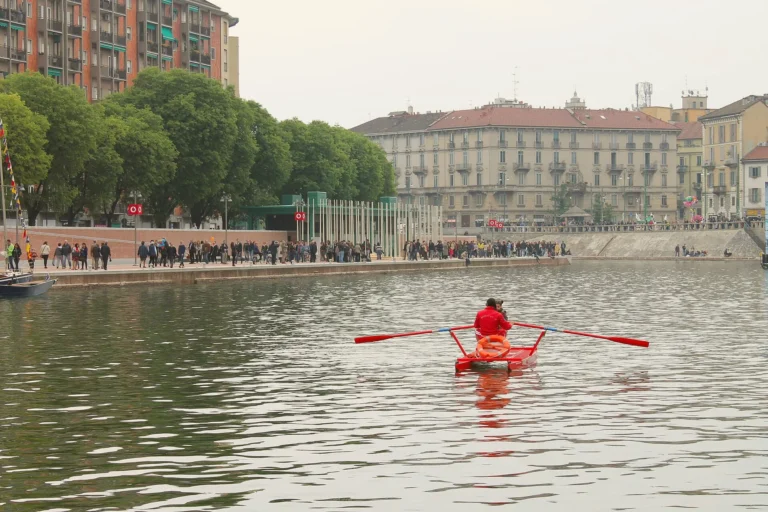
For the Navigli from Milano Centrale, use line 9. Look for the named surface stop, not the Centrale metro entrance. Match the stop sign to the boarding name and direction in the table. At the other end, the canals provide a focus for a walk or a meal.
P.Ta is the abbreviated form of Porta on stop labels. Keep the full stop name in mind when reading signs, especially where a metro station and a tram stop share a district name.
If you need step-free boarding, identify the arriving vehicle in the ATM app or on the stop screen. These show whether it is accessible and whether it has a boarding ramp or lift. Use that departure information rather than assuming every tram on a line offers the same access.
Boarding and contactless payment
At your chosen stop, match the direction on the stop sign with the tram’s destination display before boarding. If you want a conventional ticket, buy it beforehand through the ATM app, a metro ticket machine, a newsstand or an authorised retailer, and SMS purchase is also available. The app accepts credit card, PayPal and Satispay.
For the city journeys on lines 1 and 9 described here, tap in when boarding, but no tap-out is required. Use the onboard contactless reader if paying by card or device. A paper ticket instead goes into the mechanical validator. Keep your ticket or payment medium available throughout the journey.

Moliva · CC BY-SA 3.0 · Edited
On board and when changing trams
Do
- Stamp a paper ticket at the start and revalidate it whenever you change vehicles on ATM lines.
- Tap the same card or device on boarding each vehicle when transferring contactlessly.
- Show the card or device you used to tap in during an inspection.
- Press the onboard stop-request button before your stop.
Don’t
- Treat an unstamped paper ticket as permission to ride.
- Switch between a physical card and its phone or watch version during transfers.
- Present a different card to the inspector.
- Wait until the tram has passed your stop to request it.
Single and day tickets
| Ticket | Fare | Validity from first validation | City modes covered |
|---|---|---|---|
| Ordinary | €2.20 | 90 minutes | Trams, buses, metro, Trenord including S lines |
| Day | €7.60 | 24 hours | Trams, buses, metro, Trenord including S lines |
An ordinary visitor tram ride is not free: you need a valid ticket, pass or contactless payment. Within the ordinary ticket’s validity, you can make multiple surface journeys and exit and re-enter the metro. Both products cover the city journeys described here, and the day ticket allows unlimited journeys during its rolling validity.
An ordinary ticket suits occasional rides or journeys grouped into one validity period. Consider a day ticket when your journeys fall across several separate validity periods. For wider ticket choices and metro journeys beyond the centre, Milan public transport and fares helps you combine tram rides with the rest of the network.

Moliva · CC BY-SA 3.0 · Edited
Sources & fact-checking
Checks against the sources below cover: fares and charges, as well as services.
- Carta della Mobilità ATM 2025
- Where To Buy Tickets
- News
- ATM (Azienda Trasporti Milanesi) — fares and charges
- How to get around Milan by public transport
- Linea 9
- Accessibilità in tempo reale
- How to use tickets and passes
- Contactless pay as you go
- Sanzioni_2023_Sito_ATM_170.xlsx
- ATM (Azienda Trasporti Milanesi) — service