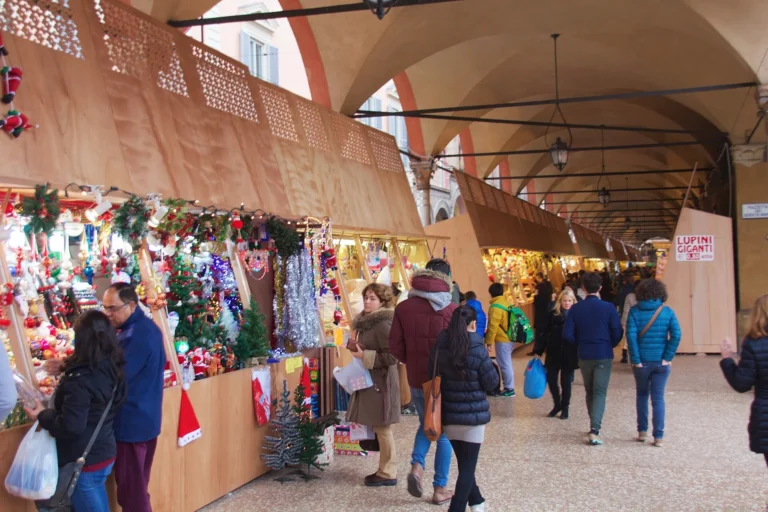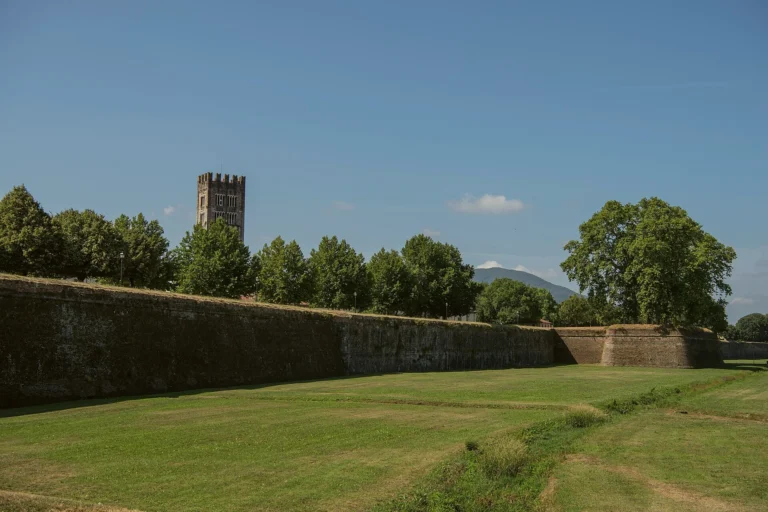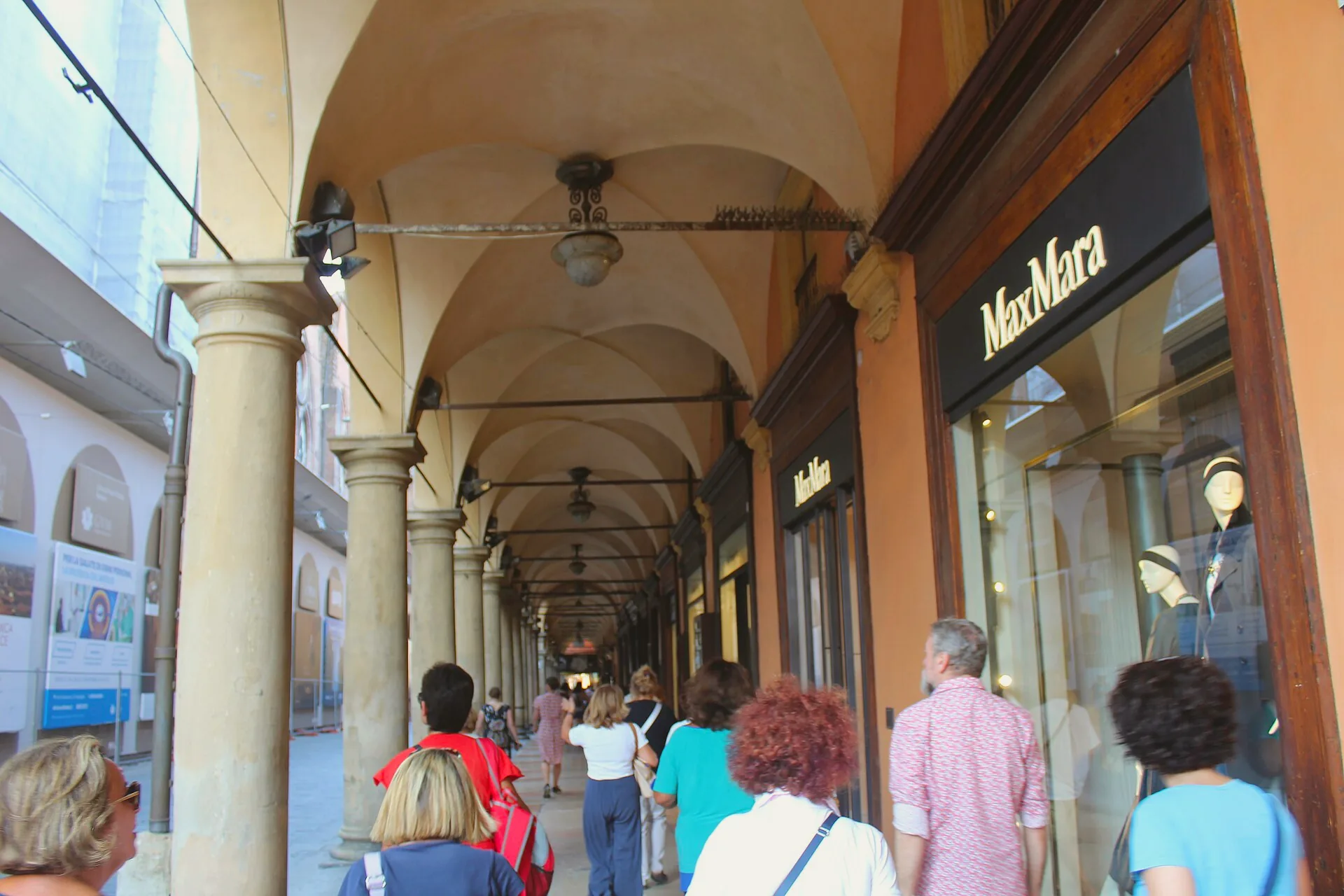
Choose April–May for a walking and sightseeing break in Bologna, with September–October as the autumn alternative. The trade-off is comfortable outdoor time against busy accommodation periods, not a promise of quiet streets or cheap rooms. If cost matters more than long walks, January is a better fit for a visit centred on food and museums.
Summer demands a different pace, and August can complicate restaurant plans despite lighter room-price pressure. Trade fairs can also overturn a seasonal choice: the Bologna Children’s Book Fair is a particular spring date conflict.
The best months for your visit
- Walking and sightseeing
- April–May
- Autumn alternative
- September–October
- Lower-cost, indoor-led choice
- January
- Avoid for an outdoor-heavy break
- June–August
Accept busier hotel periods in exchange for more enjoyable outdoor sightseeing. Spring and autumn suit a visit that gives streets and squares as much attention as interiors, but accommodation pressure is strongest in these seasons, especially around weekends.
Outside individual fairs, January and August tend to be quieter and cheaper for hotels and short stays, while May and October are pricier. For a flexible trip, compare weekday and weekend stays before settling on dates.
August’s accommodation advantage comes with a less useful combination for a walking- and dining-led break: summer heat and staggered business holidays. Choose it for the saving only if you are happy to shorten outdoor outings and keep meal plans flexible.
Busier travel periods
| Period | Hotel occupancy | Timing verdict | Cause |
|---|---|---|---|
| April–July | Above 80% | Mixed | Spring comfort; summer heat |
| September–October | Above 80% | Good fit for walking | Autumn comfort; busy hotels |
Comfortable sightseeing months are not necessarily low-demand months. The hotel-demand windows span both the favoured walking seasons and part of summer. Choose spring or autumn because you want time outdoors, rather than because you expect a quieter accommodation market.
Hotel occupancy describes demand for rooms, not the queue at a particular museum or monument. A business visitor needs accommodation without necessarily joining your sightseeing day, while local visitors can make central streets busy without staying overnight.
Summer has also grown substantially as a travel period. Across the Bologna metropolitan area, arrivals in June–August 2024 were 54% higher than in the same months of 2014, and overnight stays were 74% higher. Summer hotel occupancy averaged 78% in 2024.
That longer-term change makes summer a poor choice if your sole aim is to escape visitor demand. A heat-tolerant traveller may still enjoy it, but the decision should rest on the kind of day you want, rather than treating the warmest part of the year as an empty interval between the spring and autumn seasons.
Spring and autumn
April–May suits a Bologna visit built around walking, while September–October offers an autumn alternative with more time in interiors as the season turns cooler. Choose by how much time you want outdoors, accepting busy hotel periods in either window rather than expecting mild sightseeing weather to bring cheaper rooms.
Bologna’s porticoes are covered walkways along streets and squares, sheltering pedestrians from rain through much of the city. Via Zamboni gives you a useful example: its arcaded street lets a walk remain part of a wet-weather day, rather than requiring you to abandon the centre for an entirely indoor programme. Exposed crossings still call for rain protection.
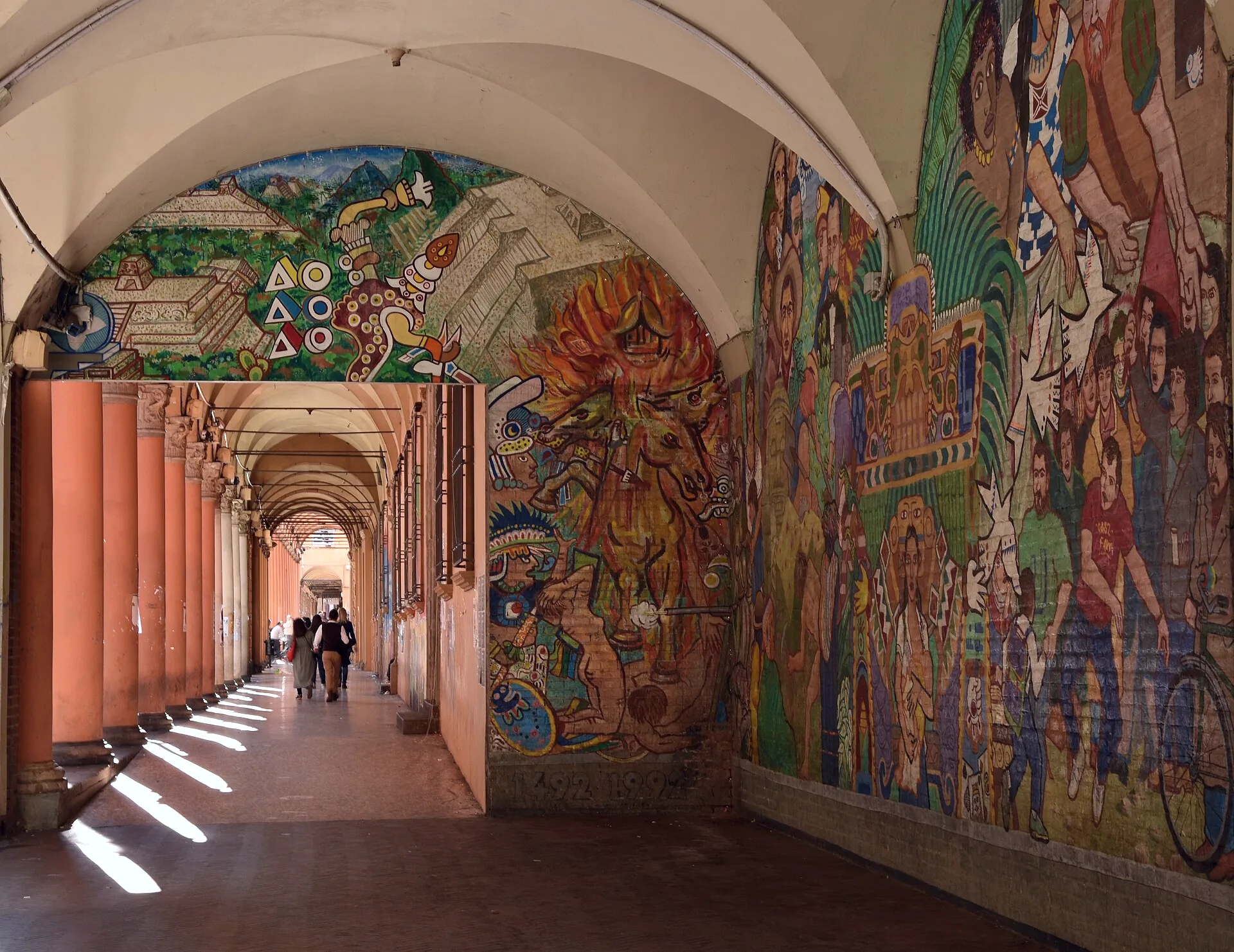
Camilla Gamberini · CC BY-SA 4.0 · Edited
Keep a visit to the National Art Gallery flexible. Its collection of Bolognese painting gives an indoor stop a purpose of its own, so move it into the wetter part of the day rather than setting a rigid sequence of outdoor stops.
For the autumn alternative, Bologna in October helps you weigh earlier against later dates and balance walking with interiors. Decide how much of the trip you want to spend in the streets before choosing your weekend, rather than assuming all autumn dates offer the same visit.
Summer heat and August holidays
Bologna’s summers are recurrently hot and humid, with heat waves and warm nights. That combination can make sustained walking tiring and reduce the relief you get after sunset. Older people and other vulnerable travellers face greater health risks during prolonged heat, so choose a cooler season if heat is a serious concern.
In summer, give morning outings the larger share of your outdoor sightseeing. Piazza Maggiore is worth time for its ensemble of civic buildings and the façade of San Petronio, but its open centre is better treated as a shorter exposed visit than a place to linger through a hot afternoon.
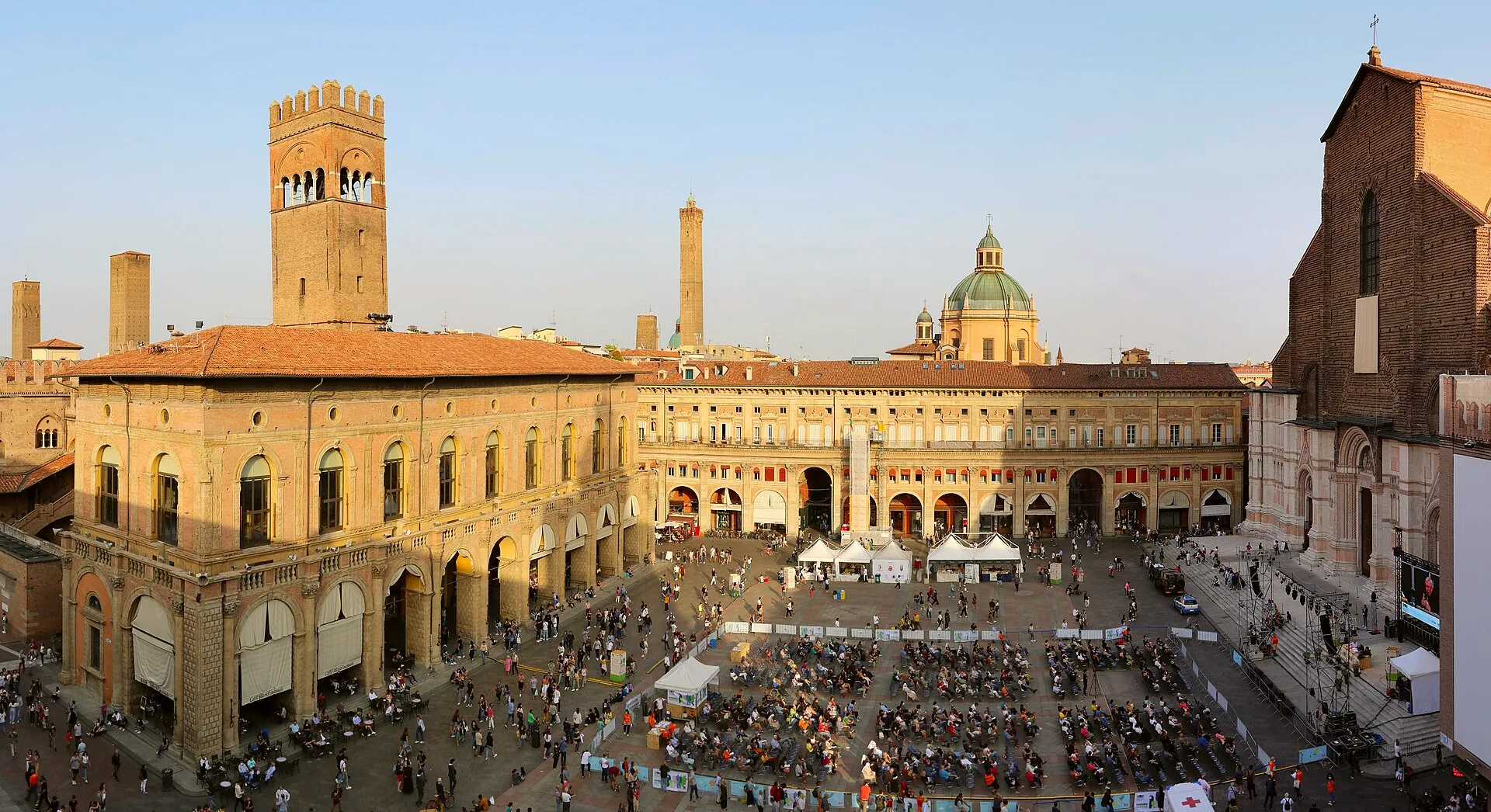
Ingo Mehling · CC BY-SA 4.0 · Edited
Build a substantial indoor afternoon break into the day, whether that means a collection you want to see or a rest at your accommodation. Covered streets can help with shelter, but they do not remove the effects of hot, humid air. Keep drinking water with you and reduce the distance you expect to cover.
If you choose August, let flexibility extend to meals. Leave room for alternative restaurants instead of making the trip depend on a single address. A slower visit with morning walks and unhurried indoor time is a stronger fit than an ambitious outdoor sightseeing programme.
Winter and the Christmas period
November–March suits an indoor-led Bologna break, with shorter walks between food stops and collections in colder conditions. Choose ordinary winter weekdays for fewer crowds, rather than treating the festive period as uniformly quiet. December is relatively calm overall, but festive weekends bring local shoppers into the centre.
New Year’s Eve is the important accommodation exception: hotel demand can rise even when the surrounding winter weeks feel quieter. If your priority is an easy, low-key visit rather than a celebration, favour dates away from that night and the shopping weekends.
Give the indoor part of the trip a clear focus. Bologna’s museum collections let you choose by interest, from painting to archaeology, instead of moving between interchangeable indoor stops. The Archaeological Museum gives ancient objects and their histories a place in the day.
Food can be another reason to choose winter: allow time for a seated lunch, with a shorter central walk afterwards. This season works best when interiors and meals are the attraction, not compensation for missing long outdoor days.
Trade fairs and August closures
- In August, many independent restaurants and shops close for part or all of the month, especially around Ferragosto, the 15 August public holiday. Closures are staggered, so keep alternative places to eat in mind.
- The 64th Bologna Children’s Book Fair runs from 5 to 8 April 2027. For a leisure break with flexible dates, move outside this window to avoid competing with concentrated fair demand for rooms.
- Cosmoprof Worldwide Bologna brought pronounced accommodation pressure during its March 2024 edition. Treat major trade fairs as a separate date-selection issue, not a measure of sightseeing crowds.
The Children’s Book Fair can make rooms scarce and sharply more expensive. The March 2025 fair period brought sharp differences in room prices between fair dates and the days just afterwards. A spring walking break can therefore involve a very different accommodation choice when it coincides with the fair.
Cosmoprof’s business visitors need rooms even if they never join the queues at the sights you plan to visit. Hotels filling up and visitors staying in nearby towns reflect accommodation pressure, not necessarily crowded museums. Choosing a comfortable season and avoiding a major fair are separate decisions.
Sources & fact-checking
Checks against the sources below cover: key figures and services.