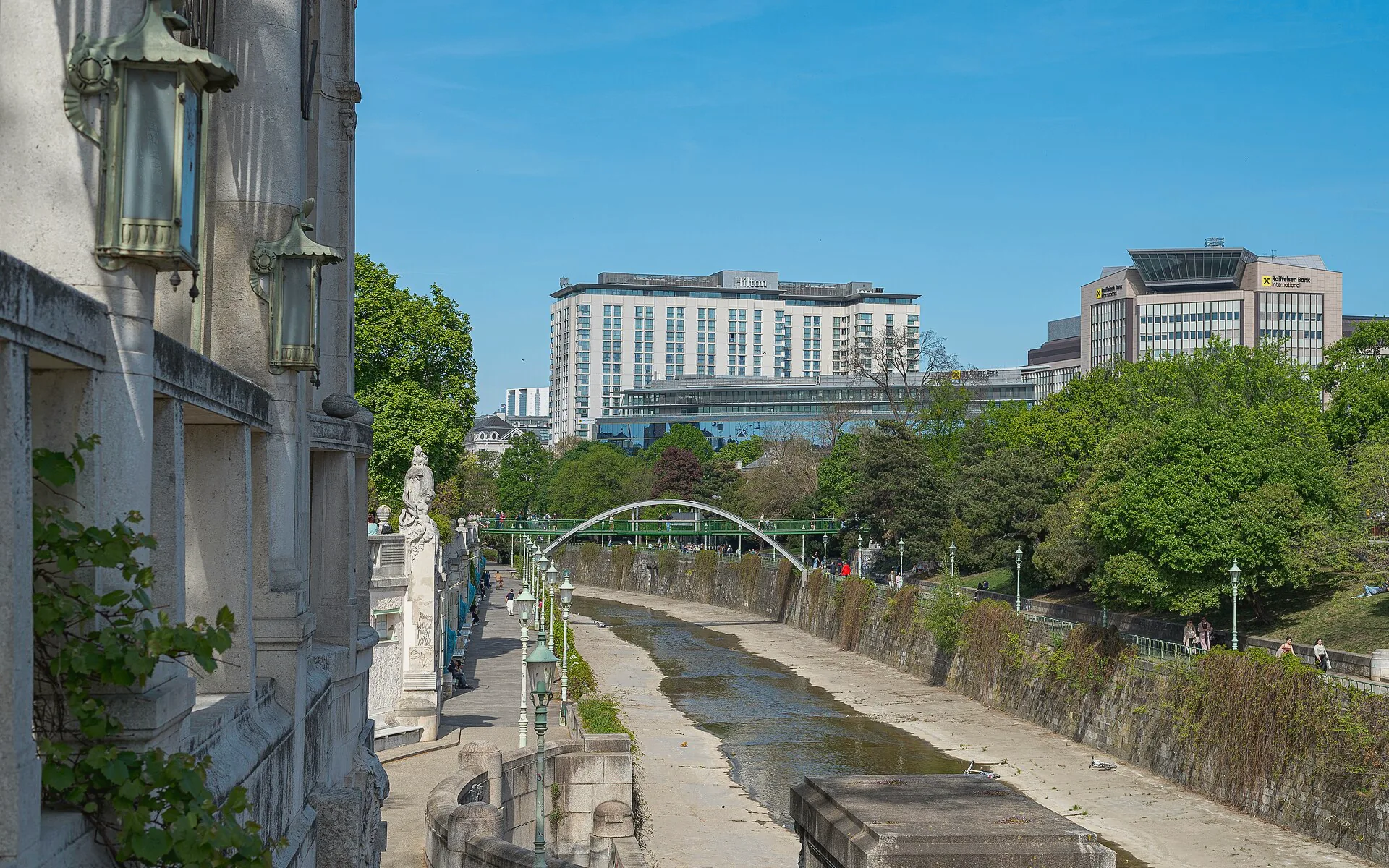
Choose September for a walking-led first visit to Vienna, with May the spring alternative if you want longer outdoor days and can accept more rain. Schönbrunn Palace Park makes either window rewarding alongside the city’s museums. Christmas markets offer a different reason to travel, while ordinary winter weeks suit an indoor-led break with less accommodation pressure.
The best months for your trip
- Best outdoor window
- September; May for spring sightseeing
- Hottest period
- July–August, led by July
- Coldest month
- January
- Wettest month
- May, by mean precipitation total
- Highest visitor demand
- July–August; a further rise in December
May and September offer similar daytime comfort, but May has higher precipitation. Autumn’s easing visitor demand tips the choice towards September if exploring on foot matters more than long evenings outdoors.
The citywide overnight-stay pattern for 2023–2025 builds from quieter winter months towards a summer high, then eases in autumn before a December bump. It helps you judge accommodation pressure, rather than queues at individual attractions.
Choose ordinary January or February dates for museums and lower-demand stays, or the festive period specifically for markets. The room budgets below estimate a standard mid-range central double room for two people, for one night. Location, room standard and event dates can move the price within or beyond each range.
Weather and visitor demand by month
| Month | Max °C | Min °C | Rain mm | Visitor demand | Room budget | Outdoor verdict |
|---|---|---|---|---|---|---|
| January | 3.5 | −1.3 | 42.1 | Low | €100–€160 | Mixed: cold; museum-led |
| February | 6.5 | −0.5 | 38.1 | Low | €100–€170 | Mixed: chilly walks |
| March | 10.7 | 2.6 | 51.6 | Moderate | €110–€180 | Mixed: brisk spring |
| April | 17.2 | 6.7 | 41.8 | Moderate | €120–€200 | Good fit: milder walks |
| May | 20.7 | 10.7 | 78.9 | Moderate–high | €130–€220 | Good fit: mild, wetter |
| June | 25.1 | 14.7 | 70.0 | High | €140–€230 | Mixed: warmth, rising demand |
| July | 26.4 | 15.9 | 77.7 | Very high | €140–€240 | Avoid if heat-sensitive |
| August | 26.1 | 15.6 | 69.1 | Very high | €140–€240 | Avoid if heat-sensitive |
| September | 21.1 | 12.0 | 64.1 | High, easing | €130–€220 | Good fit: mild walking |
| October | 14.3 | 7.3 | 46.9 | Moderate–high | €120–€200 | Mixed: cooling, shorter days |
| November | 8.8 | 3.7 | 46.0 | Moderate, rising | €110–€200 | Mixed: cold; markets later |
| December | 4.0 | −0.4 | 46.8 | High | €140–€250 | Mixed: cold; festive demand |
Precipitation totals describe the amount of rain, not how often it rains. A wetter monthly average does not tell you how many sightseeing days will be interrupted. These historical climate normals help you choose the type of trip to plan, but they are not a forecast for your travel dates.
The overlapping room ranges matter as much as the seasonal differences. An ordinary weekday at a simpler central hotel can cost less than an event weekend in a nominally cheaper month. Use the budgets to compare broadly similar rooms, rather than treating a month’s lower end as a promised rate.
Spring and autumn sightseeing
Early spring in Vienna suits a day that alternates brisk walks with interiors. March is not simply a cooler version of May: give palace rooms and museum collections more of the day, rather than expecting an extended garden visit to be its centrepiece.
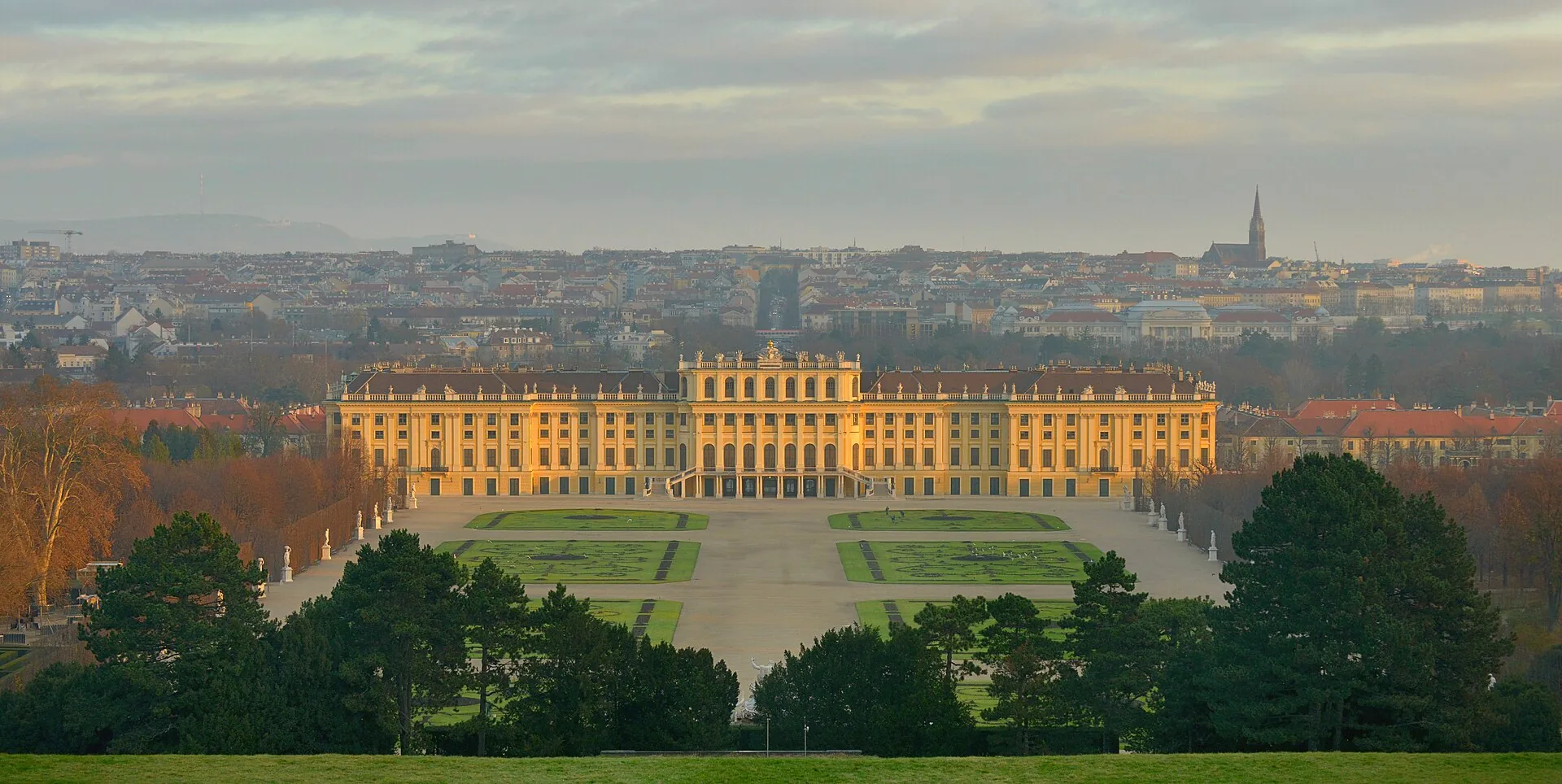
May is the spring choice for combining palace grounds with longer outdoor days. At Schönbrunn Palace Park, the formal grounds and the climb towards the Gloriette give you a different perspective on the palace from its rooms. Leave flexibility for rain rather than committing every day to outdoor sightseeing.
September keeps walking comfortable while demand begins to ease. As autumn advances, the park’s shorter gate window favours a grounds-first visit, followed by palace interiors. Later October is a mixed choice if a long outdoor day is your priority. If you are planning three days in Vienna, spread the palace-and-park visit and the major indoor collections across different days.
Feel free to use my photos, but please mention me as the · CC BY-SA 3.0 at · Edited
- Easter Monday falls the day after Easter Sunday.
- Ascension Day falls 39 days after Easter Sunday.
- Whit Monday follows Pentecost Sunday, 50 days after Easter.
- Corpus Christi falls on the Thursday after Trinity Sunday, 60 days after Easter.
These spring public holidays move with Easter, whose date follows the ecclesiastical calendar calculation. Their shopping consequences matter when you choose which day to leave for browsing.
Summer heat and outdoor time
June is the summer compromise, while July and August are poor fits if heat makes walking uncomfortable. Long outdoor days can be useful, but exposed palace grounds and extended city walks are harder to enjoy during a hot spell. Summer’s accommodation pressure also weakens the value case compared with quieter winter dates.
Heatwaves occur mainly in summer. There is no single universal definition: GeoSphere Austria’s preventive heat-warning criterion uses an average perceived daily maximum above 35°C for at least three consecutive days, with nights not cooling below 20°C. Perceived temperature is not the same measure as the air-temperature averages in the monthly table.
- Hohe Warte, 1961–1990 annual averages: 54 summer days, 10 hot days and two tropical nights.
- Hohe Warte, 2024 totals: 102 summer days, 45 hot days and 26 tropical nights.
Those observations show how much more frequent hot days and warm nights were in 2024 than in the earlier period. They describe individual heat indicators rather than separate heatwave episodes.
Put outdoor visits earlier in the day, take a substantial indoor break and shorten walks when heat becomes uncomfortable. Save another outdoor stop for later only if conditions suit you. For Vienna in summer, choosing shaded pauses and indoor visits is as important as deciding which sights to see.
Winter museums and Christmas markets
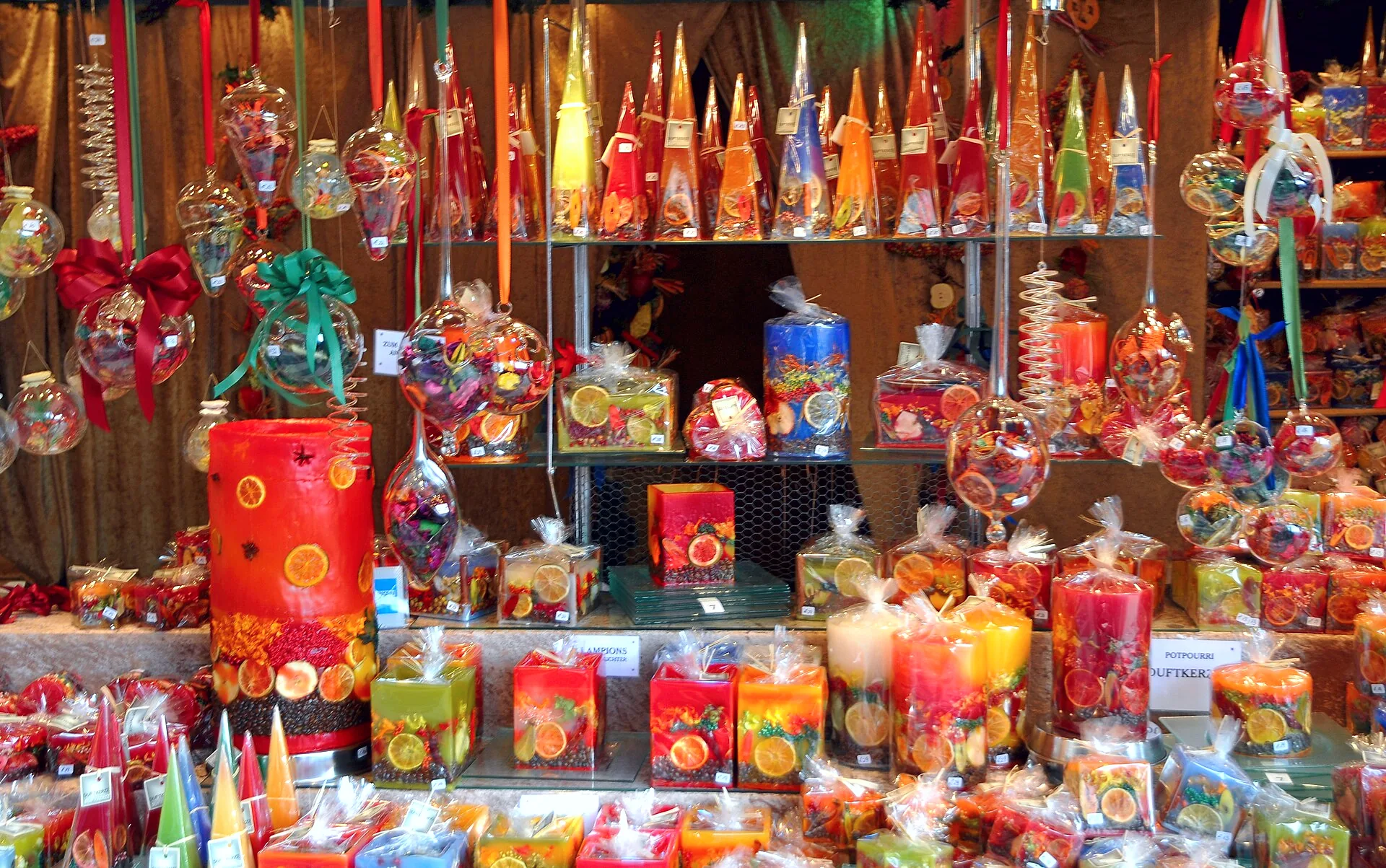
The Christmas market at Rathausplatz gives a festive trip a clear focus: stalls in front of Vienna’s town hall, rather than a day built around gardens. Choose market dates deliberately, not simply any winter weekend. Festive demand can mean paying more for a room despite the cold weather.
böhringer friedrich · CC BY-SA 3.0 at · Edited
January is the first month to consider for a lower-budget museum break, with February another useful option. The table’s estimated room ranges overlap, so neither guarantees the cheapest booking. Ordinary dates, a modest room standard and flexibility over location can matter more than the month alone.
Lower citywide demand does not mean an empty events calendar. Ball season reaches its peak in January and February during Carnival, known locally as Fasching. That concentration is not the full season: it begins earlier and ends on Shrove Tuesday. A particular event can outweigh the usual winter room-price advantage.
For Vienna in winter, build the day around indoor culture, with short outdoor walks separated by museums or cafés. The reward is time for collections and interiors, not an expectation of snow. This also makes a quieter winter trip quite different from one whose main purpose is the Christmas market.
Seasonal access and date choices
- Visit Schönbrunn Palace Park earlier as the gate window contracts. Gates open daily at 06:30, and closing is 17:30 in November–February, 19:00 in March and October, 20:00 in April and August–September, and 21:00 in May–July.
- Treat the Maze and Labyrinth as a separate seasonal attraction. Recurring hours are 09:30–17:30 on 2 April–30 June and 1 September–25 October; 09:30–18:30 on 1 July–31 August; and 09:30–16:00 on 26 October–2 November. Choose summer for its longer afternoon window.
- Put shopping on a non-holiday day: most shops close on public holidays. Large railway stations, the airport and museum shops offer exceptions. Shops open on 8 December.
Schönbrunn Palace Park gives you formal garden views and space to explore beyond the palace rooms. The view towards the palace from the Gloriette is a reason to allow time for the grounds, alongside a visit to the interiors.
- Name
- Schönbrunn Palace Park
- Location
- Schönbrunn, western Vienna Maps
- Site
- bundesgaerten.at
- Hours
- 06:30–20:00
- Essential fact
- The park surrounding Schönbrunn Palace in western Vienna.
For wet weather, choose the Kunsthistorisches Museum, Vienna’s art-history museum, as a substantial indoor alternative. Its permanent collections provide a reason to spend time inside, with access during the museum’s opening hours, which vary by day and season.
Sources & fact-checking
Checks against the sources below cover: key figures, closures, opening hours, and services.