Choose Salzburg for a culture-led stay, or choose Innsbruck if mountain time is central to your trip. Salzburg brings Mozart-related visits, church interiors and the DomQuartier into a concentrated old-town stay. Innsbruck pairs imperial monuments with the Nordkette, where the enjoyment of the views depends on clear weather as well as lift availability.
Both work for a short Austrian break. Your room dates, arrival airport and appetite for substantial museum visits matter more than a blanket cheaper-city verdict. If you have time for both, start with Salzburg’s cultural sights, then leave flexible days in Innsbruck for the mountains.
Culture, mountains and the cost of a stay
| Criterion | Salzburg | Innsbruck |
|---|---|---|
| Sightseeing focus | Mozart, churches, state rooms | Imperial monuments and Alpine views |
| Mountain access | Separate outing from city sights | Nordkette departure beside Old Town |
| Estimated central mid-range double | €130–€200 per room per night | €120–€190 per room per night |
| Enjoyment of main sights | Indoor culture suits cloudy days | Mountain views need clear conditions |
On this basis, Innsbruck’s estimated room range is €10 lower at each end, but the overlap is substantial. Compare equivalent rooms on your actual dates rather than treating Innsbruck as always cheaper. Salzburg’s summer Festival and Advent demand can raise prices, and Innsbruck’s ski-season and summer mountain demand can do the same. Weekend dates and a sought-after central address also move the budget.
Salzburg gives you substantial interiors when skies are grey. Innsbruck also has indoor cultural sights, but a cloudy Nordkette outing may not deliver the mountain panorama that motivated the stay.
Old-town sights and mountain experiences
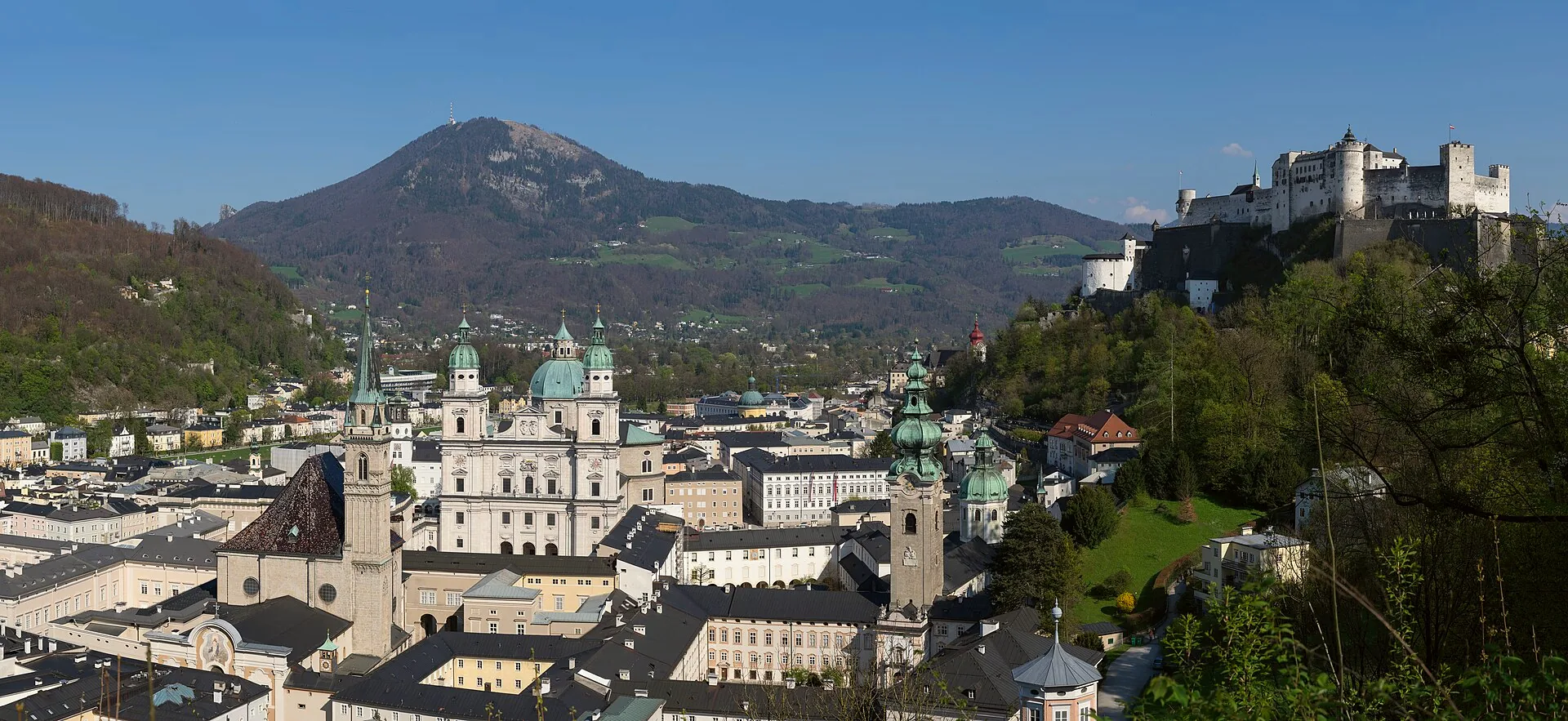
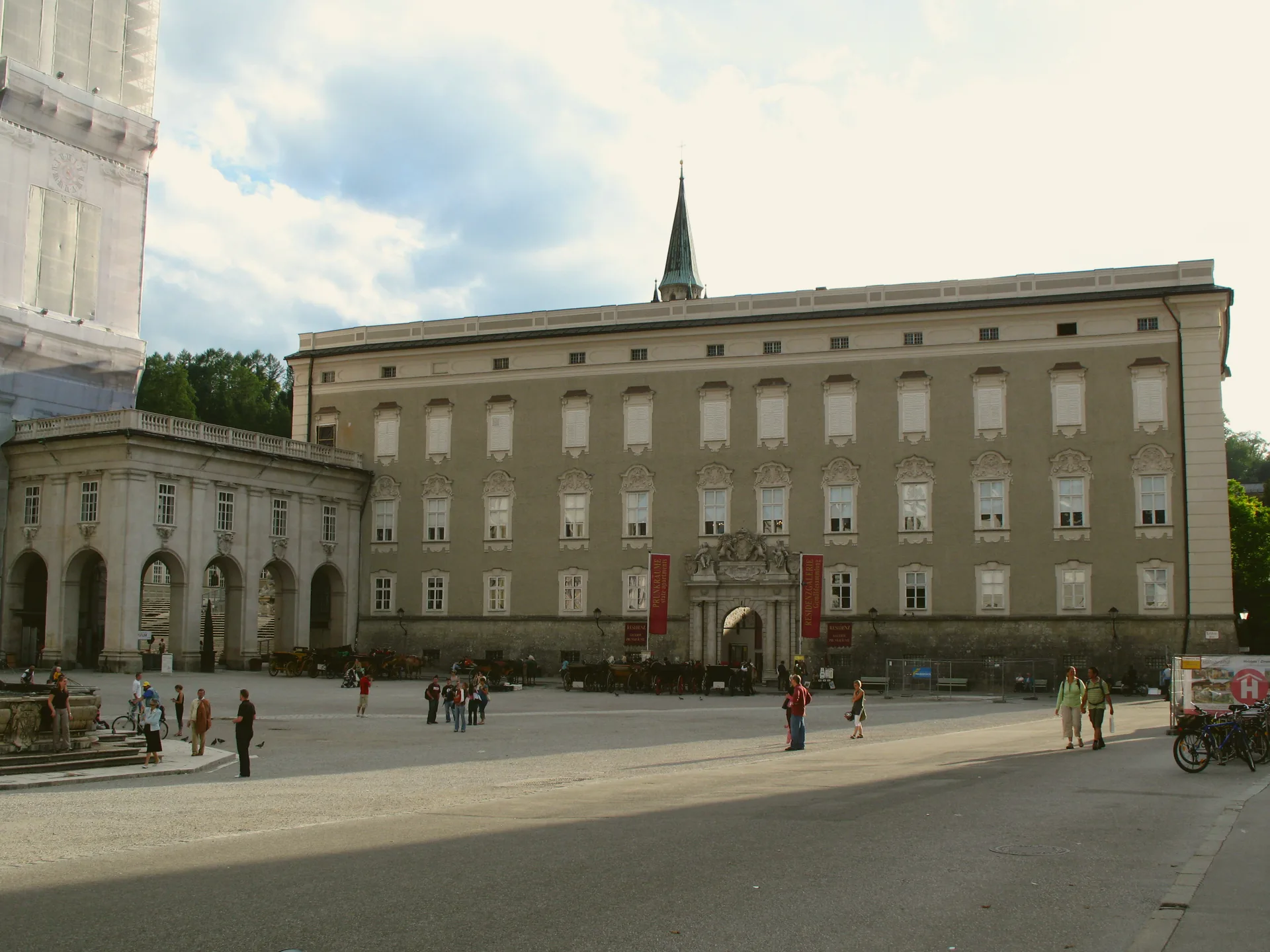
Salzburg’s Residenz state rooms within the DomQuartier reveal the ceremonial world of its prince-archbishops. Give the interiors an unhurried part of the day rather than treating them as a brief stop between squares. St Peter’s church and cemetery add a different kind of visit, with church decoration and graves beneath the rock face. Mozart’s Residence develops the composer’s family and musical life.
Andrew Bossi · CC BY-SA 2.5 · Edited
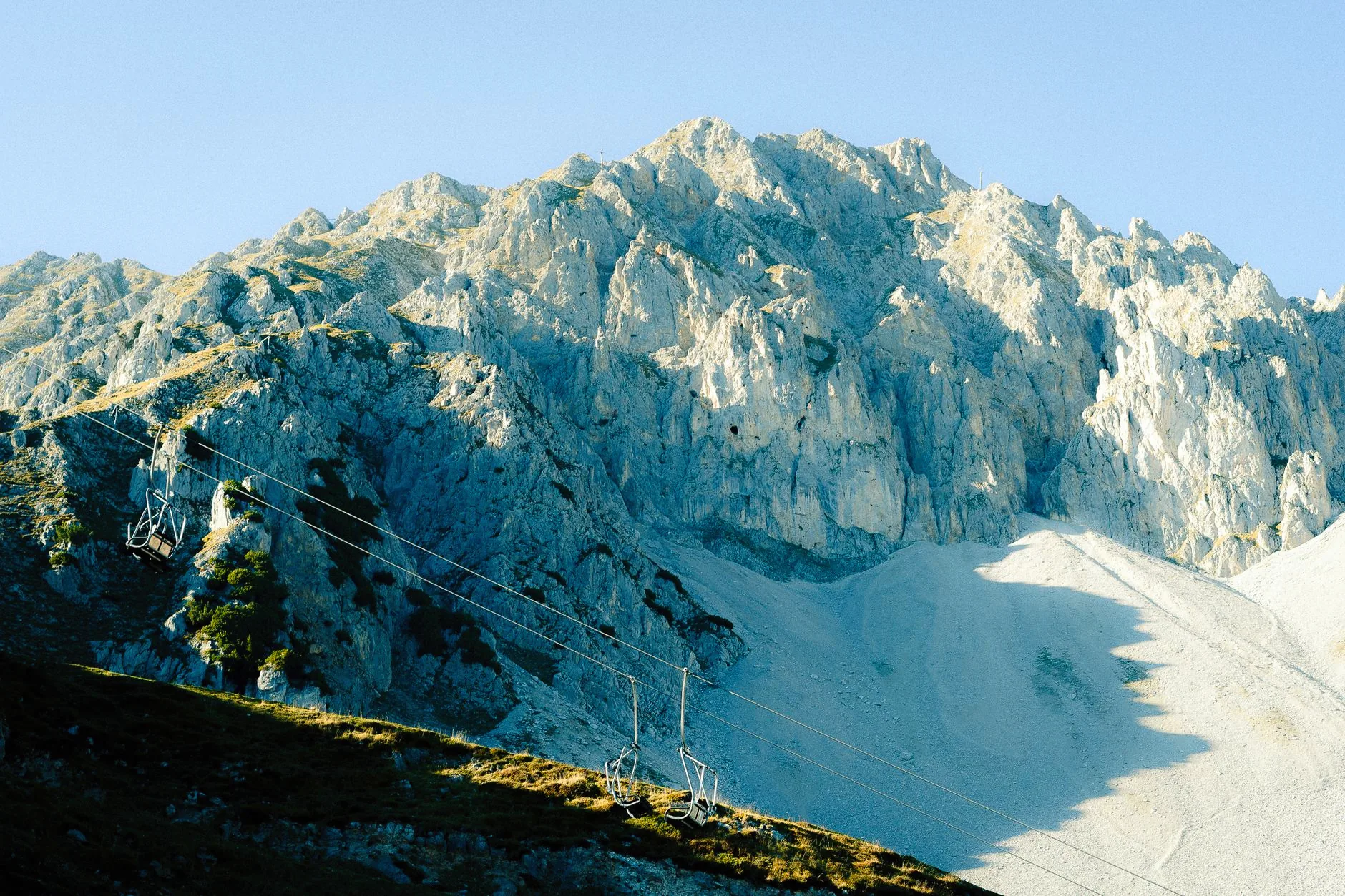
Innsbruck is worthwhile even if you want culture as well as mountains. The Court Church’s bronze figures surround the cenotaph of Emperor Maximilian I, and the Imperial Palace adds grand interiors associated with Habsburg court life. These are visits in their own right, not simply something to do while waiting for clear skies. Nordkette then changes the scale of the stay, taking you above the city for mountain views.
Vladislav Anchuk · Pexels License · Edited
Salzburg
Pros
- Several Mozart-related visits let you pursue one musical theme in depth.
- Churches, the cemetery and ceremonial rooms offer different ways into the city’s history.
Cons
- Its strongest cultural themes are specialised; travellers seeking broad collections may want a different city base.
Innsbruck
Pros
- Imperial monuments give the city portion of your stay a clear historical thread.
- You can alternate close-up architectural detail with a high mountain viewpoint.
Cons
- Dividing a short stay between imperial interiors and mountain time leaves less time to explore either in depth.
If your priority is a broader museum-and-palace break rather than Alpine time, Salzburg or Vienna is the more relevant comparison: it puts Salzburg’s concentrated musical heritage against a much wider cultural city stay.
DomQuartier and Nordkette visits
DomQuartier
The DomQuartier rewards time spent looking at the state rooms’ decoration and the art collections, rather than just moving through the buildings. Choose full access for the complete cultural visit, while partial access is a narrower outing. In July and August, opening extends to 18:00, giving you more room to place it after other old-town sights.
- Name
- DomQuartier Salzburg
- Location
- Residenzpl. 1 5020 Salzburg Maps
- Site
- domquartier.at
- Hours
- Mon 10:00–17:00
- Tue Closed
- Wed–Sun 10:00–17:00
- Essential fact
- A museum circuit through the Residenz and cathedral complex in Salzburg’s Old Town.
- Price
- €15 Full access · Adults
- €12 Partial access · Adults
Nordkette
Nordkette offers the mountain panorama that distinguishes an Innsbruck stay. Begin at Congress, near the Golden Roof, for the complete journey to Hafelekar. Take the Hungerburgbahn to Hungerburg, transfer to the Seegrubenbahn for Seegrube, then change to the Hafelekarbahn. The two transfers mean that the lower railway’s longer operating day is not the window for the whole mountain outing.
- Name
- Nordkette cable railway
- Location
- Rennweg 3 6020 Innsbruck Maps
- Site
- nordkette.com
- Hours
- Mon–Fri 07:15–19:15
- Sat–Sun 08:15–19:15
- Essential fact
- A lift network serving the Nordkette mountains above Innsbruck.
- Complete adult return
- €56 per person, valid through 1 November 2026
- Hungerburgbahn weekend/public-holiday start
- 08:00
- Seegrubenbahn and Hafelekarbahn
- 08:30–17:30 daily
- Lift frequency
- Every 15 minutes
Rooms, meals and evenings
In Salzburg, a room around the cathedral squares or beside the Salzach puts dinner and old-town evening walks close to your door. Station-area accommodation makes train arrivals easier but leaves the historic core as a separate outing. In Innsbruck, the Old Town and Inn riverside suit evenings around the centre, while a room near the main station is convenient for arriving and leaving with luggage.
Pay for the location you will use after dinner, not just the most famous address. A historic-centre room can command a premium, while station-area properties may offer better value, depending on the property and dates. Apply the same comfort standard when comparing the room budgets above.
| Criterion | Salzburg | Innsbruck |
|---|---|---|
| Estimated main course and drink | €20–€35 per person | €18–€30 per person |
Innsbruck’s estimated meal range is €2 lower at the lower end and €5 lower at the upper end. Casual restaurants away from prime sightseeing addresses tend towards the lower end, while central table-service dining pushes towards the upper end.
Dinner and a riverside walk are straightforward evening choices in both cities. Salzburg also offers music beyond the summer Festival: the Mozarteum’s season programme includes after-work concerts and free half-hour organ recitals on selected Tuesdays at midday in the Great Hall. The organ recitals suit a daytime pause rather than an evening plan.
Airports, stations and walking
Salzburg Airport and Innsbruck Airport both have local public transport into their cities. Choose the arrival that fits your available flights and onward stay, not just the city name on the airport. Munich Airport is another realistic gateway, but adds an intercity journey after landing.
- Salzburg Airport: trolleybus 10 reaches the city centre in about 15 minutes, and trolleybus 2 reaches Salzburg main station in about 23 minutes.
- Innsbruck Airport: IVB bus F serves the city centre and main station, with a journey of about 20 minutes.
- Munich Airport to Salzburg: take S1 or S8 suburban rail to Munich main station, then a direct train to Salzburg main station. The airport rail leg takes about 40 minutes, and the fastest listed onward rail connection takes about 1 hour 43 minutes.
- Munich Airport to Innsbruck: one option is the Lufthansa Express Bus to Innsbruck Airport, then local bus F towards the centre or main station. The coach boards at bus stop 17 on the arrivals level of Terminal 2.
For either Munich route, allow time to change services with your luggage. In Innsbruck, you change from the coach to the local bus at the airport before continuing into the city.
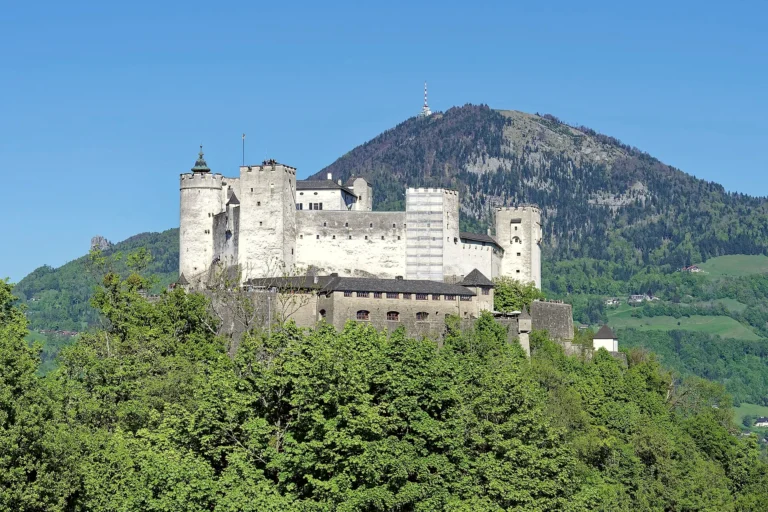
Salzburg’s Old Town is largely walkable, with cobbles and gentle slopes between many sights. The ascent towards Hohensalzburg Fortress is a different undertaking, with a steep uphill climb. Innsbruck’s principal central sights sit on largely flat streets in the Inn valley, though cobbled and uneven paving still matter. Distinguish a central city walk from an elevated sight, particularly if slopes or prolonged standing are difficult for you.
Winter, summer and busy periods
Winter works for cultural sightseeing in either city, but a city break is not the same as a mountain-recreation holiday. Innsbruck’s Court Church and Imperial Palace offer indoor visits when the mountain panorama is obscured. In summer, leave space for outdoor time; in spring or autumn, combine city sights with a mountain outing only when the lifts are operating.
The Salzburg Festival returns in July and August. Its advance-order system allocates tickets rather than letting you select exact seats: orders specify performances, ticket quantities and price categories. On-time orders are treated equally, not first-come, first-served, but allocation is not guaranteed and eligible supporters and subscribers receive priority. Later direct online sales allow seat selection. Build a performance-led stay around tickets you have secured, not an assumed allocation.
- Salzburg’s Christmas market at Cathedral and Residenz squares opens on the penultimate Thursday in November and continues through 1 January.
- Innsbruck’s Old Town Christmas market runs from mid-November through 23 December.
For a market-led visit after Christmas, Salzburg is the choice between these two principal markets. Innsbruck’s Old Town market will have finished, even though the city still offers winter sightseeing.
Salzburg’s Old Town is busiest around midday in high summer, especially at weekends, and Festival weeks and Advent also bring heavy demand. Earlier or later summer walks give you more breathing space around the main squares. Innsbruck’s mountain views need clear conditions to be rewarding: operating lifts alone do not guarantee a panorama. Give the mountains a flexible day rather than making them your only worthwhile activity.
The train journey and seeing both
With roughly five or six nights, visit Salzburg first, then Innsbruck. Give Salzburg the opening part of the stay for its cultural interiors, then leave several days in Innsbruck so the mountain outing can move within your stay. For a two- or three-night break, favour one base: changing hotels takes time you could spend visiting or resting.
From Salzburg main station to Innsbruck main station, the rail journey takes about 2 hours. Direct trains run regularly, generally about hourly, via Kufstein and Wörgl. That makes combining the cities realistic without a car, but the train leg is only part of the transfer day.
After your Salzburg visits, allow for packing, reaching the station, waiting for the train and getting from Innsbruck’s station to your next accommodation. Keep the arrival afternoon for central sights or a relaxed walk rather than making it the only opportunity for Nordkette.
ÖBB’s Sparschiene is an advance-purchase ticket tied to the selected train and booked travel date. Choose it when you can commit to that departure, rather than expecting to take whichever train suits you on the day. If the railway company is responsible for a missed connection, you may use a following train.
Which city fits your trip?
- First culture-led stay: Salzburg. Choose it for Mozart-related visits, church interiors and substantial state rooms, placing DomQuartier on an open day.
- City-and-mountain break: Innsbruck. Choose it for imperial sights alongside Nordkette, with flexibility for clear views and dates outside lift maintenance.
- Short winter visit: Salzburg for indoor culture; Innsbruck if mountain time is the priority. For the principal Christmas market after Christmas, choose Salzburg.
- Budget with flexible dates: compare equivalent rooms. Innsbruck’s estimated ranges are lower, but adding the full mountain outing changes the total. Salzburg outside peak demand can remain competitive.
- Limited walking tolerance: Innsbruck for largely flat central sightseeing. Uneven paving remains. Salzburg’s central sights are also walkable, but the fortress ascent is steep.
- Enough time for both: Salzburg, then Innsbruck. Leave meaningful days in each, rather than spending a short break changing hotels.
Let your main reason for travelling decide the base. Salzburg gives a short cultural stay a clear focus, while Innsbruck makes sense when you want the mountains to be part of the visit, rather than simply the backdrop.
Sources & fact-checking
Checks against the sources below cover: fares and charges, services, and opening hours.
- DomQuartier Salzburg — fares and charges
- Innsbrucker Nordkettenbahnen — fares and charges
- Innsbrucker Nordkettenbahnen — service
- Innsbrucker Nordkettenbahnen — opening hours
- ÖBB timetable 300: Salzburg Hbf–Kufstein–Innsbruck Hbf–Brenner
- Sparschiene Europa
- Salzburg Festival — opening hours
- Salzburg Festival — service
- Salzburg Christmas Market — opening hours
- Innsbruck Tourismus — opening hours
- Salzburg Airport (Salzburger Flughafen GmbH) — service
- Innsbrucker Verkehrsbetriebe (IVB) — service
- Munich Airport; Deutsche Bahn for onward train services — service
- Lufthansa — service
- International Mozarteum Foundation — service