Choose September for a Vienna trip built around walking, with May the spring alternative. Their daytime warmth is similar, but September’s lower average precipitation gives it the edge for outdoor sightseeing. Summer suits you better if warmth matters most, while winter is a different kind of visit, with short outdoor stops between museums and cafés. For Christmas markets, the operating dates and the busiest visiting periods matter as much as the weather.
Best months for your visit
- Walking-led choice
- September
- Spring alternative
- May
- Hottest month
- July
- Coldest month
- January
- Wettest month
- May
September and May offer similar daytime warmth, but September’s lower average precipitation makes it the stronger choice for walking-led sightseeing. May offers spring warmth, but its wetter average makes flexible outdoor plans more important: avoid making every day depend on an uninterrupted park visit or a long walk.
Summer is the better choice if you want warmer outdoor days and can move exposed sightseeing away from uncomfortable afternoons. A winter trip works best when museums and cafés are the main attractions, rather than shelter between full days outside. Christmas-market travel adds a separate decision: choose dates within the festive window, then consider how much crowding you enjoy.
Weather is only one part of choosing the best time to visit Vienna. The broader comparison of visitor demand and room budgets helps you weigh a comfortable walking month against cost and crowd preferences.
Monthly temperatures and rain
| Month | High (°C) | Low (°C) | Precipitation (mm) | Walking-led verdict |
|---|---|---|---|---|
| January | 3.5 | −1.3 | 42.1 | Mixed: cold; indoor emphasis |
| February | 6.5 | −0.5 | 38.1 | Mixed: chilly outdoor stops |
| March | 10.7 | 2.6 | 51.6 | Mixed: cool spring walks |
| April | 17.2 | 6.7 | 41.8 | Good fit: milder days |
| May | 20.7 | 10.7 | 78.9 | Good fit: warm, wetter |
| June | 25.1 | 14.7 | 70.0 | Mixed: warmth, heat risk |
| July | 26.4 | 15.9 | 77.7 | Mixed: hottest average |
| August | 26.1 | 15.6 | 69.1 | Mixed: warm exposed walks |
| September | 21.1 | 12.0 | 64.1 | Good fit: mild, less wet |
| October | 14.3 | 7.3 | 46.9 | Mixed: cooling outdoor days |
| November | 8.8 | 3.7 | 46.0 | Mixed: cold, shorter days |
| December | 4.0 | −0.4 | 46.8 | Mixed: cold; indoor emphasis |
The high column describes average daytime peaks, not a temperature you can count on throughout the day. The low column describes average daily minima, useful when considering early starts and evenings. Neither column gives the hottest or coldest conditions a particular trip might encounter.
Precipitation totals measure the amount of water that falls, rather than the number of rainy days or how often a walk is interrupted. A higher total does not tell you whether rain arrives in brief heavy showers or longer wet spells. May’s place at the top of the series therefore calls for room to rearrange outdoor visits, not an assumption that every day will be wet.
These are historical averages, not a forecast. They help compare dates on a consistent basis, while the conditions during your visit can differ. The verdicts judge suitability for walking-led sightseeing, but a cold month can still be a good choice for a trip centred on galleries, museums and cafés.
Spring and summer outdoor days
March is still a cool-weather walking month in Vienna: choose shorter outdoor visits rather than treating the arrival of spring as summer comfort. April brings a more inviting balance for walking, while late spring offers enough warmth to give parks a larger share of the day. Late spring is warmer, not reliably drier, so keep the order of outdoor visits flexible.
Summer offers longer daylight for outdoor activities, but that does not make every hour comfortable for exposed sightseeing. From 1961 to 2024, Vienna’s annual average number of hot days rose by about 27 days. A hot day means a daily maximum air temperature of at least 30°C. Annual counts vary considerably.
Walk earlier and reserve indoor visits for uncomfortable afternoons. For wet weather in any season, move a museum or café visit into the affected part of the day instead of abandoning the whole outdoor plan. If bathing is part of your trip, the advice on Vienna in summer helps you combine it with sightseeing and indoor breaks.
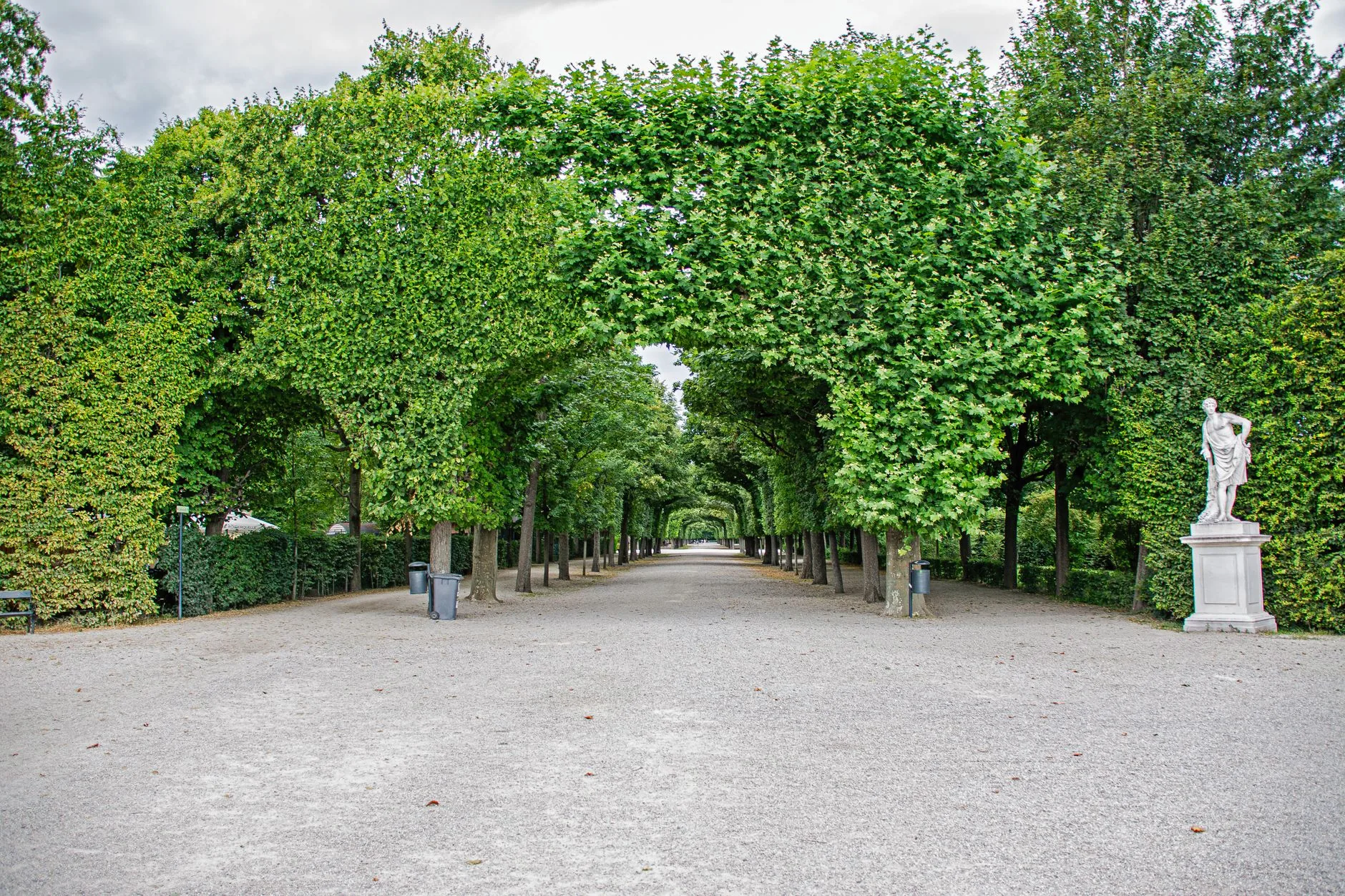
Schönbrunn Palace Park offers tree-lined paths for a walk away from exposed spaces. Make the shaded paths part of the visit rather than spending all your outdoor time in the open. Its seasonal gate times also determine whether a late walk is possible.
Kai Seeliger · Pexels License · Edited
Autumn days and winter visits
Early autumn in Vienna offers a gentler walking choice than peak summer, but an autumn label alone does not promise mild conditions. October is noticeably cooler than September, and by November the combination of lower temperatures and shorter days makes lengthy outdoor plans less appealing. Choose early autumn if walking is the main purpose of your visit, rather than assuming the whole season offers the same comfort.
Yes, Vienna can feel very cold in winter, especially when you spend a long time outside. The winter averages combine chilly daytime conditions with lows around or below freezing. Plan short outdoor stops around longer museum or café visits: an indoor-focused trip can be rewarding without requiring you to endure an entire day in the cold.
The Vienna Christmas Market at Rathausplatz changes that balance because time outside is part of the attraction. Visitor pressure is generally heavier at weekends, especially Friday and Saturday evenings, and in the run-up to Christmas. Choose a weekday daytime visit for less crowd pressure than those busy evening periods. The published market window in the next section determines which dates suit a festive trip.
For a closer comparison of festive travel and an indoor-focused break, including winter room budgets, turn to Vienna in winter. Those are distinct trips: enjoying museums in cold weather does not depend on the market being open.
Park gates and Christmas-market dates
- Schönbrunn Palace Park gates open daily at 06:30. Choose the walk’s place in your day around the seasonal closing time.
- 1 November–28 February: closes at 17:30. Put the park before evening activities.
- 1–31 March and 1–31 October: closes at 19:00. Keep the garden walk ahead of dinner.
- 1–30 April and 1 August–30 September: closes at 20:00. There is more scope for a later walk.
- 1 May–31 July: closes at 21:00. This is the longest seasonal access window.
- Vienna Christmas Market at Rathausplatz, 2026: 13 November–26 December, daily 10:00–22:00; on 24 December, 10:00–18:30. Choose festive dates within this window and bring forward a Christmas Eve visit.
Schönbrunn Palace Park’s paths let you combine a tree-lined walk with views across its formal grounds. Longer daylight does not keep the gates open: in the cooler seasons, visit the grounds before an indoor stop rather than leaving them until the end of the day.
- Name
- Schönbrunn Palace Park
- Location
- Schönbrunner Schloßstraße 47 1130 Wien Maps
- Site
- bundesgaerten.at
- Hours
- 06:30–20:00
- Essential fact
- The landscaped park surrounding Schönbrunn Palace in western Vienna.
Sources & fact-checking
Checks against the sources below cover: opening hours and key figures.